Author: admin

  • Air Conditioner Coil Cleaning

    Air Conditioner Coil Cleaning

    When the summer heat is at its peak in Arizona, it’s hard to imagine a life without a cool home. Especially on a hot and humid day, stepping into a comfortable home can be refreshing. When it’s working well, an air conditioner is a wonderful thing. If you neglect regular cleaning and maintenance, it can reduce efficiency, cause issues, and break down. Cleaning and maintenance are essential for a machine that works as hard as an air conditioner.

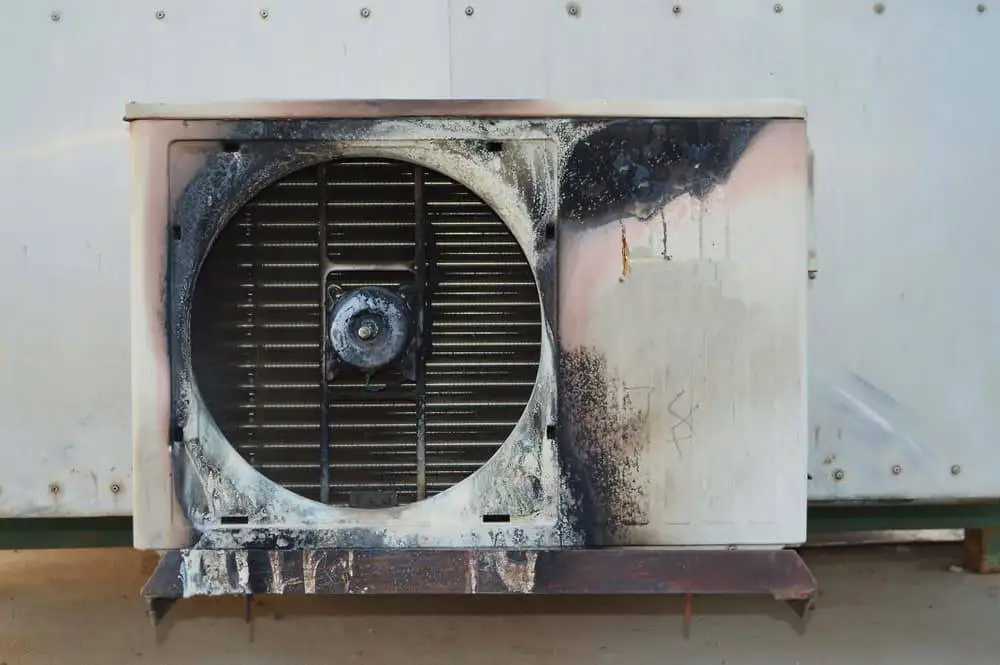
    Cleaning your air conditioner’s coils is critical to the system’s long-term health and effectiveness. Removing dirt and debris from the coils will lead to significant savings and keep your system running smoothly. It can also help to extend the life of the air conditioner.

    Types of Coils in AC Units

    Split-system central air conditioners have a furnace and evaporator coils inside the home and an air conditioning unit outdoors containing cooling coils. The air conditioner removes heat from indoor air, which is then removed by the blower fan, replacing it with cool, refreshing air.

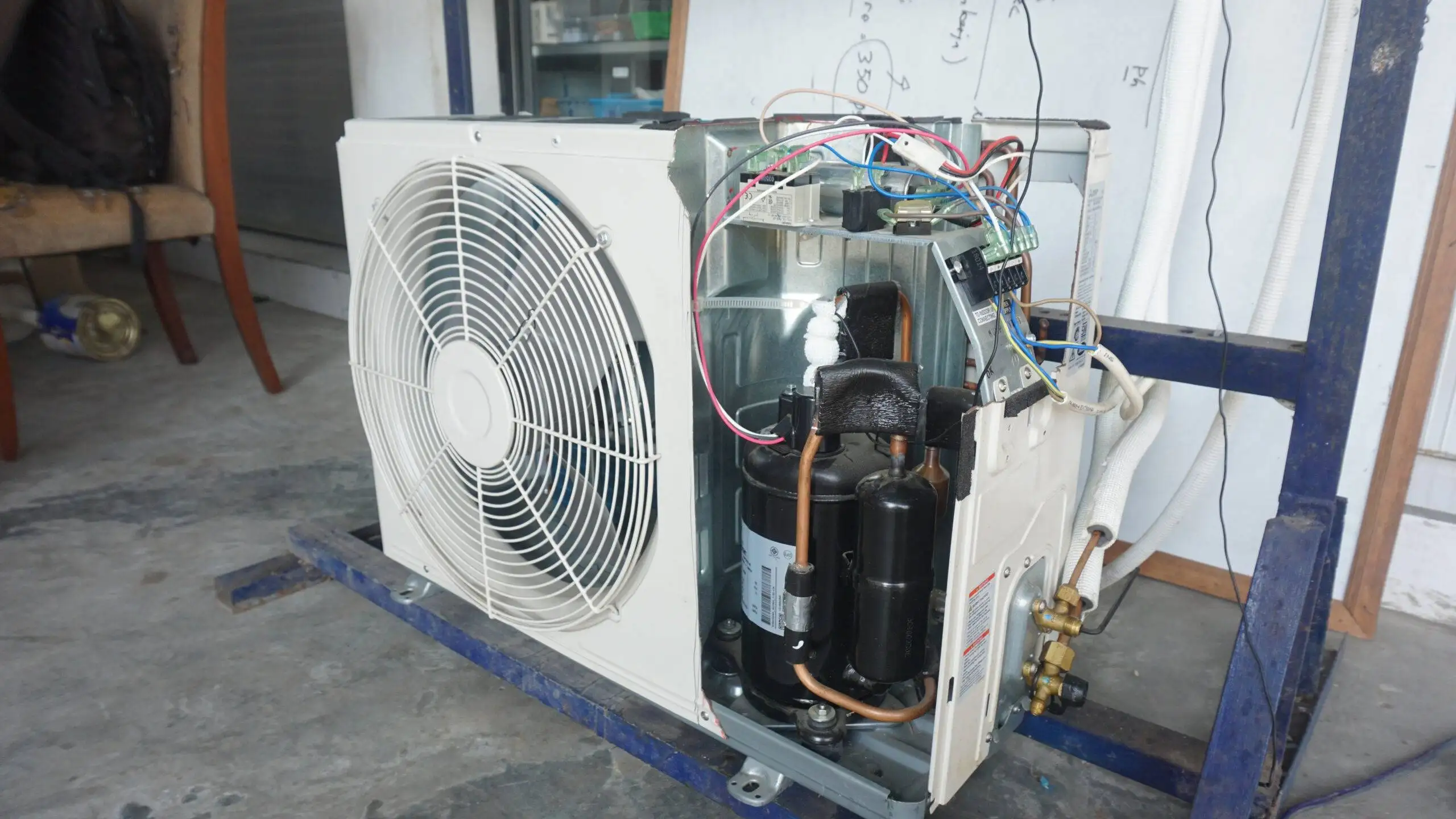
    The condenser coil is responsible for releasing heat captured from the air. Most of these coils are copper tubing with thin aluminum cooling fins.

    While there are many types of coils, such as all-aluminum fins, or thin spine fin coils resembling pipe cleaners, they all release heat energy from home.

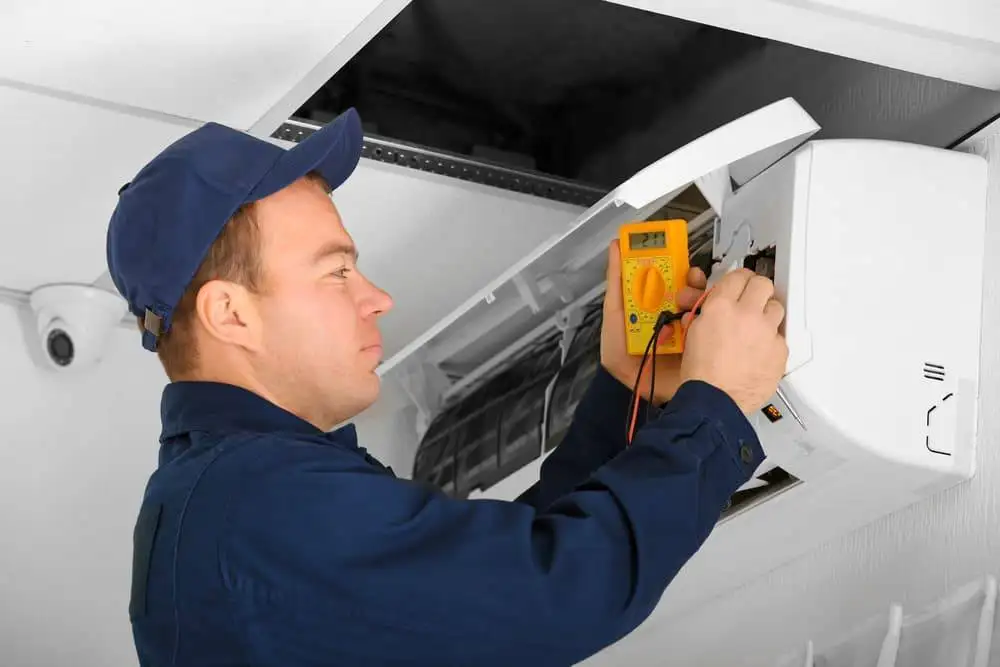
    Because they are exposed to the elements outdoors, keeping your air conditioner’s coils clean is crucial to the long-term health of your air conditioner. It may seem like a possible DIY project, but the easiest and best way to clean your coils is to have an expert do it. Howard Air & Plumbing knows what it takes to combat the heat in Phoenix. Our well-trained HVAC experts professionally care for your system for years of worry-free operation.

    Why is it Important to Clean AC Coils?

    Dirt, dust, and other pollutants can build up on the coil surfaces due to the tight spacing, surface moisture, and airflow. Eventually, this build-up reduces your air conditioning system’s ability to transfer heat from the home, diminishing the system’s ability to offer seasonal cooling. This also causes decreased energy efficiency, resulting in increased usage bills. If neglected long enough, the air conditioning system can experience a shorter system life.

    Dirty coils can cause the following issues.

    • Increased operating temperatures When dirt and debris build up, it can cause unneeded strain on the system, causing increased workload for fans and compressors and increased operating temperatures to achieve the intended indoor temperature. This increases the risk of breakdowns and other problems.
    • Decreased Comfort As a natural part of the cooling process, your air conditioning system removes excess and uncomfortable humidity from your home. Dirty coils reduce system efficiency, cause higher humidity, and make your home less comfortable.
    • Reduced Cooling Efficiency When dirt and debris build upon the surface of the coils, they struggle to either absorb or release heat, making them less efficient, resulting in higher energy bills.
    • Increase in Cooling Costs Dirty coils force you to spend more money to keep your home cool and comfortable because less efficient air conditioner operation results in higher operating costs.
    • Increased System Wear A blocked evaporator coil often causes the compressor to overheat. As a result, the system is under a lot of stress. Because the compressor is one of the most expensive replacement items of the air conditioner, protecting the compressor can reduce repair costs.
    • System Repairs or Replacement Over-worked air conditioner components can lead to breakdowns, requiring component replacements and service calls. With severe breakdowns, replacing the entire AC system might be necessary.

    How Often Should AC Coils be Cleaned?

    AC coils should be cleaned when dirty, depending on how often it is used, how frequently the filter gets changed, the amount of dust and debris from environmental conditions, and how many people live in the house.
    Generally, it is easiest to perform an annual AC inspection and any required cleaning and maintenance before summer, when you will need it most.

    How to Clean AC Coils

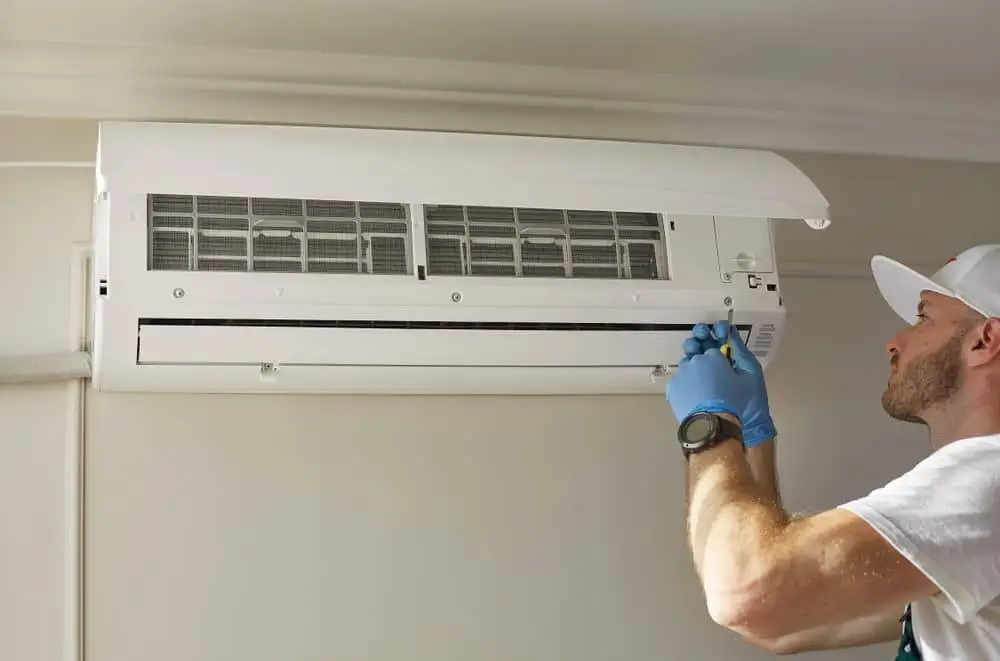
    Air conditioning coils should be serviced by professional technicians like Phoenix-area Howard Air & Plumbing to prevent damage to the delicate fins. Air conditioner systems have two coils, the indoor evaporator and the outdoor condenser coil. The evaporator is accessed through an access panel, while the condenser coil is accessed by removing any shielding and wire coil guards.

    Brands and models vary, but the cleaning process will follow one of these methods.

    • Technicians blow compressed air and use heavy-duty coil-cleaning chemicals (when needed) to loosen dust and debris from the coil and fins, collecting it via a vacuum.
    • Using low-pressure water spray and a mild, acid-free detergent, a technician sprays the coil and fins, then rinse with water and allow them to dry, repeating until fins are free of debris.
    • Technicians clean the surface of the condenser coil by hand or a fin brush, then spray with an aerosol or low-pressure coil cleaning solution and rinse with water.
    • When cleaning the evaporator coil, technicians clean the away surface debris by hand or fin brush, then apply a self-rinsing evaporator oil that evaporates during the cooling process when the system runs.

    Keep Your Cool with Howard Air & Plumbing

    Coil cleaning and annual AC inspections are cost-effective ways to ensure your air conditioner is prepared for the Phoenix summer heat when air conditioning outages can be an emergency. Preventative maintenance and cleaning save homeowners money by extending the air conditioner’s life and reducing operating costs by making sure the AC runs efficiently.

    Howard Air & Plumbing expertly diagnoses, repairs, and maintains all brands of HVAC units, responding quickly, at competitive prices.

    Don’t get caught off guard trying to fend off the Phoenix heat. Schedule your inspection or call us day-or-night for emergency service today!

    Image Source: Witsawat.S / Shutterstock

  • Why is My Air Conditioner Fan Not Spinning?

    Why is My Air Conditioner Fan Not Spinning?

    Another Job for Howard Air & Plumbing

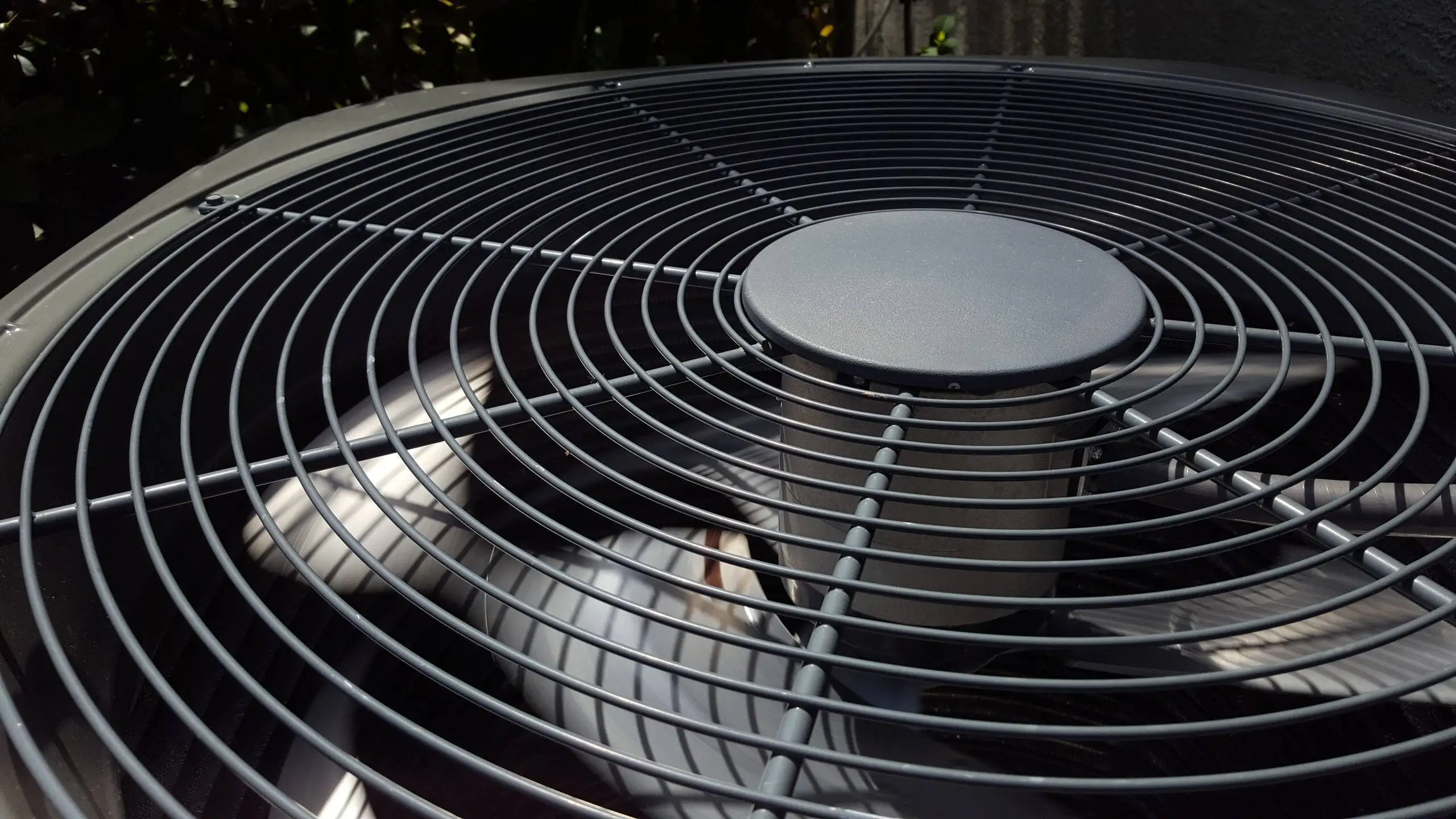
    A hot Arizona day is hardly the right time to look outside and see your Phoenix home’s air conditioner fan not spinning. Inside, as your house slowly broils, you wonder what you should do. Many of our customers (seriously) figure they should somehow hit the unit to “loosen it up” and get the fan spinning. They go outside full of good intentions and a hammer. Once near the unit, they see the air conditioner fan not spinning but humming instead. This usually makes them retreat and call in professionals.

    When your A/C fan doesn’t spin, that’s a sure sign that something’s wrong. It only takes a few hours of your air conditioner outside fan not running for your home to get uncomfortable on the hottest days here in the Phoenix area. People get concerned in most parts of the country when they notice the A/C fan isn’t working outside because they’re worried about the house getting too humid. That might not be as much of a problem if you live in a dry part of Arizona, but it’s still worth learning about the possible causes of an A/C unit not spinning.

    How Does Your A/C Work?

    To understand why your outside A/C fan isn’t working, first, you have to understand a little bit more about the unit. Your air conditioner actually has two fans: one inside the home and one outside of the home. The fan inside of your home blows cool air into the vents so it can be dispersed throughout all of your rooms. The fan on the outside of your home blows warmth out of your home. Both of these fans have to be working for your air conditioner to function effectively.

    How Do I Know if My Outside A/C Fan Isn’t Working?

    This is one of the easiest air conditioner problems to diagnose. All you have to do is walk outside your home and stand near your outdoor A/C unit. If you don’t hear humming while you approach the unit, your fan probably isn’t spinning. You can also peer at the top of the unit to see if the fan is spinning. Of course, you also need to make sure your unit is on and that the fan should be spinning.

    A/C Condenser Fan Not Spinning

    If you discover that the fan is not working in your outdoor A/C unit, this could mean that you have one of the following problems:

    • The capacitor might have a problem if the compressor is humming, but the fan doesn’t turn.
    • It’s also possible that the motor itself is broken if the unit is humming, but the fan doesn’t turn.
    • If the fan isn’t spinning and there is no sound coming from the compressor to indicate it’s doing anything, there is either a problem with the power or the compressor contactor.

    A/C Compressor Works But A/C Fan Not Working Outside

    If you can hear the compressor working, but the fan still isn’t turning, you might be left wondering where the disconnect is. It’s possible that the motor or capacitor could have failed or that there could be a problem with the capacitor. The capacitor’s job is to provide the burst of energy that gets the fan motor running. If either the capacitor or the fan motor fails, the fan won’t be able to start turning.

    There are a few things you can look into as you try to get to the bottom of this issue. It’s important to mention, though, that you should always be extremely careful when you inspect electrical appliances like this. If you become uncomfortable or uncertain at any point, your best bet is to call an expert who can work with your air conditioner safely.

    Make sure your system is off before you try any of the following:

    • Open the side of your outdoor A/C unit and see if there’s any debris wrapped around the fan axle. If there is, carefully remove it without damaging any of the components.
    • Look to see if there’s a buildup of sludge on your motor’s bearings. If so, you might need to clean the motor bearings. Only attempt this if you know what you’re doing and if your system is off because otherwise, you could hurt yourself or damage your equipment.
    • Check to see if the belt is broken or loose. If it is, it won’t get traction on the fan and make it spin. This might not apply to modern units, however, as many of them are now built without fan belts. If this is the problem, you’ll have to decide if you want to get an A/C fan belt replacement or simply upgrade to an entirely new air conditioner.

    If you look for the signs above and still can’t determine exactly what the problem is, just leave your system off and call a professional. Even if you have a guess about what the problem is, it’s far better to call an HVAC contractor than it is to attempt something by yourself, especially when you’re not completely confident in your ability to correct the issue.

    It’s especially important to make sure you don’t try to inspect the capacitor or terminals by yourself unless you have the proper training and equipment to do so safely. The capacitor stores energy, which means it can shock you even if your air conditioner is turned off. Not to overstate it, but as a general rule, you really shouldn’t ever stick your hands into a piece of machinery like this unless you know exactly what you’re doing.

    Look but Don’t Touch

    Instead, the most useful thing you can do in this situation is inspect the problem visually. That way, you can provide some helpful information when you schedule your service appointment, which helps the HVAC company get your system up and running again as quickly as possible.

    Here’s how you can perform the visual inspection:

    • First, go to your breaker box and turn off the electricity to your outside A/C unit.
    • Next, open the service panel on your outside A/C unit and look for the capacitor (without reaching anything inside the unit). The capacitor is either round or cylindrical, and it has two or three prongs on top.
    • While you do this, avoid touching anything, especially the capacitor, terminals, or any fluids that have leaked out.
      See if your capacitor is rusted, swelling, or leaking.

    Trouble Ticket

    Many an air conditioner repair company in Arizona turns over a trouble ticket to technicians that simply reads, “Fan not spinning on air conditioner.” The cause of the problem could indeed be a stuck bearing, so one good smack in the right spot could temporarily free the motor. Usually the problem is more involved.

    Do It Yourself?

    Anytime a homeowner wants to treat an ailing central air conditioner, we at Howard Air & Plumbing encourage you to consider how much a repair mistake could cost you.

    If you insist on poking and prodding, triple-check that power to the outside unit is turned off. Most central air conditioners have circuit breakers immediately next to exterior units, plus panel circuit breakers for the entire system. Turn both off! Only if you feel comfortable should you proceed further.

    Gravity Assist

    Debris can fall down on your condenser/compressor unit, wrap itself around the fan hub and cause it to stop. It need not be something big enough to physically block the blades; a slim vine or plant shoot could do it.

    With power off, remove the protective panels from your condenser and visually inspect the fan. Remove any debris, give the fan a manual spin and see if anything is interfering with its movement.

    Fan Club

    The condenser fan motor could be burned out. The system is still trying to start it (large capacitors are in play here so use extra caution) and so the system hums yet the fan does not turn. Enlist professional help to replace the condenser fan motor.

    Bearing Down

    Bad bearings could cause the fan to seize. The bearings allow the fan axle to turn. The fan hub is attached to the axle; if the bearings on the motor have seized, the unit will hum loudly but the fan will not move. You can attempt to inject electric motor oil (lubricating oil specifically designed for electric motors) into the ports of the motor, then try to restart the system.

    Schedule an Appointment Today!

    You can avoid expensive mistakes by contacting Howard Air & Plumbing for professional, prompt service. Whether your fan is not spinning or you have some other problem, we are ready to help you.

    If you see signs of trouble, you know the capacitor is the problem. If you still can’t tell what the issue is (or if you don’t want to go through all of that trouble just to make a service call anyway), the best thing is to call for help right away. Book your appointment with Howard Air & Plumbing, and we’ll get your home cool again as soon as possible!


    Featured Image: Rana X/Shutterstock
  • My AC is Running, But it’s Not Cooling My House

    My AC is Running, But it’s Not Cooling My House

    Why is My Air Conditioner Not Cooling?

    What You’ll Learn
    As you read this article about what it means when your A/C is running but not cooling the home, you’ll learn:

    • There are several potential reasons this could happen, so making the right diagnosis is key.
    • You may be able to resolve some of these issues yourself, but others require professional attention, and time is of the essence.

    Air Conditioner Running But Not Cooling House

    “My A/C isn’t cooling my house.” It’s a call we get all the time, and it demands immediate action. High heat is no joke, especially in Phoenix. On a sweltering summer day, it seems like you just can’t get cool enough until you find yourself asking “Is it just me, or is it really hot in here?”

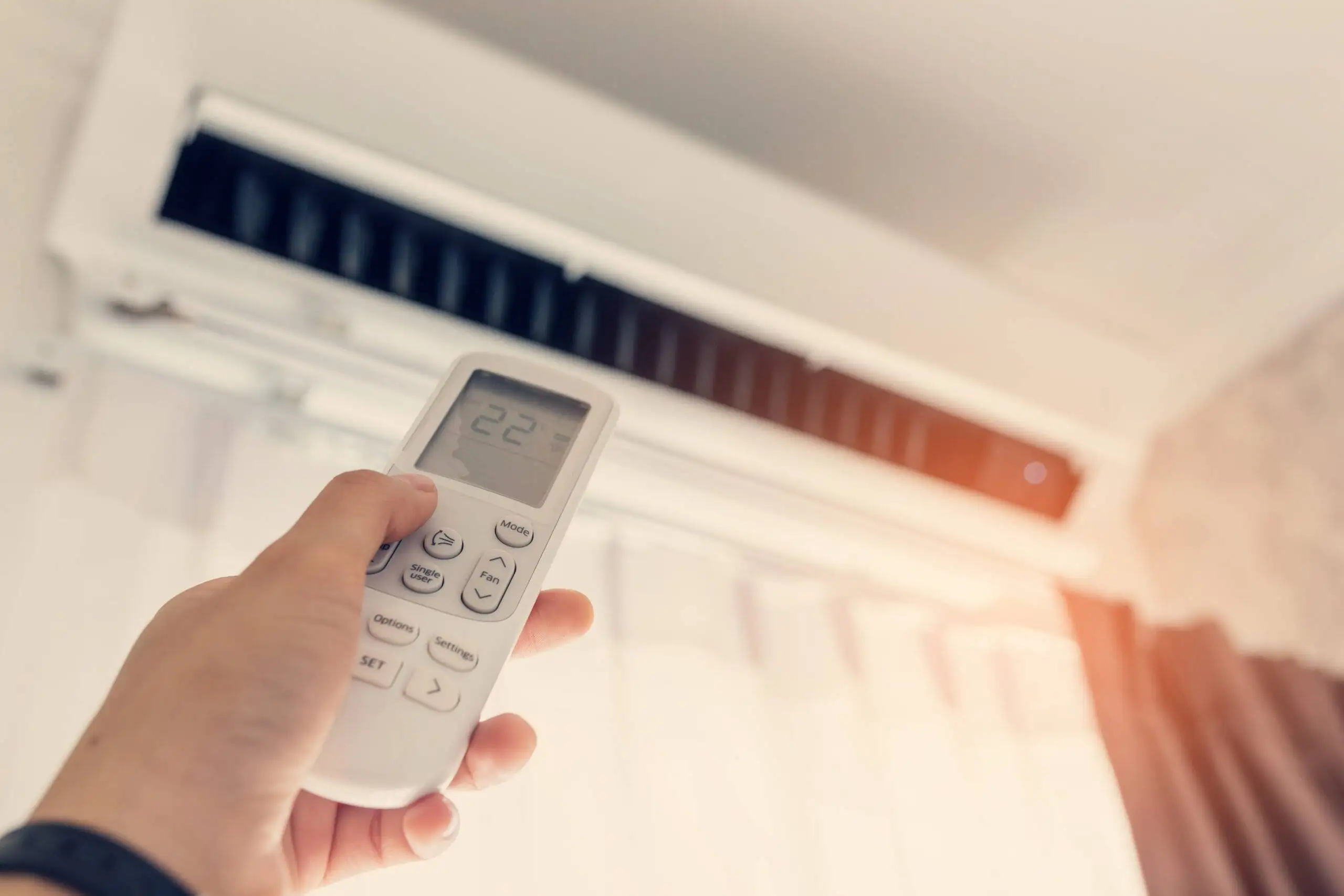
    If you find yourself in a situation where you’ve kept going back to your thermostat and turning it down, but the air isn’t getting any cooler, your best bet is to contact a professional, as your HVAC unit may be in need of service. But there are a few things you can check to potentially troubleshoot the issue.

    1 – Check Your Thermostat

    Sometimes a family member will have turned up the temperature or turned off the unit entirely without notifying anyone else. Before you really start to sweat, make sure the thermostat is set at the appropriate level.

    Also, double check the batteries in the thermostat (if applicable). A thermostat receiving inadequate power affects the efficiency of the unit. If your unit is wired and does not operate on batteries, again, ensure the power to the unit from the breaker can sometimes resolve the issue.

    2 – Dirty Air Filter

    The first thing to check if temperatures in your home continue to increase is the air filter in your A/C unit. If the air filter is dirty, it can cause strain to the internal operating mechanisms of the unit, forcing the unit to work harder. Simply swap out the dirty air filter with a clean filter and see if that resolves the issue.

    3 – Condenser Unit is Blocked

    You’ll know a condenser coil is dirty when you are experiencing a reduction in AC efficiency. Perhaps your home is cooling much slower than usual, or it feels humid. In severe cases, the unit will produce hot air. Dirty coils overwork the compressor and with dirt accumulation, the temperature will increase in the home.

    A build-up of dirt threatens the life of the unit and knocks years off the machine’s longevity. A professional needs to be contacted immediately to service the unit. Luckily, clean coils stay functional for longer with regular maintenance from a trusted professional. The technicians at Howard Air & Plumbing will check your system during annual inspections so you can remain comfortable with the cleanliness of your unit.

    4 – Evaporator Coil is Frozen

    The evaporator coil extracts heat from your home and is the beginning of the cooling process. Occasionally, too much moisture builds up on the coil, causing it to freeze. You can temporarily relieve the issue by giving time for the coils to thaw. First, shut off the power to the unit. Then can open the access door, which will allow the coils an opportunity to de-ice.

    Unfortunately, this can take up to 24 hours. You can accelerate the process by carefully directing heat over the frozen coils with a hairdryer. Applying heat to a frozen evaporator coil is only a temporary fix to the more complex problem of moisture building up in the unit, which should be addressed by a professional, who would need to diagnose the root of the problem. Otherwise, it will become recurring issue.

    5 – Refrigerant Leak

    Another common issue is a refrigerant leak. Refrigerant is the chemical that powers the cooling system of the AC unit. Naturally, you’ll need regular levels of the solution in your machine to keep it operating throughout the hot summer months, but occasionally you’ll experience issues that may indicate it’s time to have a professional from Howard Air & Plumbing change the fluids. Refrigerant is toxic, so it is best to always contact a professional before attempting to handle this specific issue.

    6 – Undersized Air Conditioner

    Sometimes, your current AC unit is not powerful enough to cool your entire home. There are a number of different factors that can influence the level of power, size, and type of unit that will be most appropriate for your home. Unfortunately, there is not a “one size fits all solution,” but one that is a combination of factors such as the square footage of your home, the level of insulation, the exterior climate, and so on. If your current unit is not cooling your home to an optimal or desirable level, it is time to contact the professionals at Howard Air & Plumbing who are experienced in advising homeowners on which air conditioning units will best fit their needs.

    A/C Service in Phoenix, AZ

    As you can see, there are a number of reasons why your AC might not blow cold air. Simple tips will sometimes solve the problem, but calling a professional will save you and your family hours of frustration.

    Luckily, the professionals at Howard Air & Plumbing have been here to help customers in Phoenix since 1977! They have a team of qualified technicians who will be able to quickly assess and fix the issue with your unit.

    To prevent any issues with your unit, contact Howard Air & Plumbing to schedule your routine maintenance. From an emergency to a tune-up, don’t sweat it, Howard Air & Plumbing is there!

    Schedule Appointment

    "*" indicates required fields

    This field is for validation purposes and should be left unchanged.

    When?

    MM slash DD slash YYYY
    MM slash DD slash YYYY
    MM slash DD slash YYYY

    Featured Image: Butsaya/Shutterstock


  • Know Your HVAC System Components and How They Work

    Know Your HVAC System Components and How They Work

    What You’ll Learn

    As you read about the individual HVAC components within your system, you’ll learn:

    • There are several key parts of an HVAC system to learn about.
    • Even if you can’t repair or replace the parts yourself, knowing about the various HVAC components will make you feel more confident when you call for service.

    Key HVAC Components

    An essential part of what makes your home comfortable is the HVAC unit, but most people are less familiar with their units than they should be. The HVAC unit is composed of multiple parts which form the system. It is important to understand the function of these individual components. Being familiar with them will aid in knowing when the system is functioning properly, when something may be wrong, and when to call a professional to assist you with all of your HVAC needs.

    1 – Thermostat

    The thermostat is the most recognizable feature of the HVAC system. Located in your home on an easily accessible location on a wall. The thermostat controls the temperature of your home. It may be set automatically or adjusted manually to the optimal temperature. The thermostat can be used to activate either the heating system or the cooling system in your home. When the heat is selected, the thermostat will signal the heat exchange to begin pulling in air to be heated. When the thermostat is set to cool, it will activate the evaporator coils responsible for pulling in warmer air to be treated to cool.

    2 – Furnace

    The furnace is one of the most crucial components of your HVAC system. This component is responsible for heating or cooling the supply of air that will then be distributed throughout the various rooms in your home. This is one of the largest parts of the HVAC system, and as such, requires a significant amount of space. It is typically located in a basement or built into a specially designed closet. The heating process can be powered by a few different kinds of systems, the most common of those is the combustion, which is powered by either natural gas, oil, coal, or propane. Other furnace power sources include systems that run by electric resistance, heat pump, or solar energy.

    3 – Heat Exchange

    The heat exchange is located within the housing of the furnace. This component of your HVAC system is responsible for pulling in air, when activated by the thermostat, to then be heated and redistributed back into your home.

    4 – Evaporator Coil

    When the thermostat is set to cool, the evaporator coils perform the opposite function of the heat exchange. These coils, located in a metal enclosure on the exterior of the furnace, pull in warm air and cool it. In the same way that hot air is circulated, the cool air is also then circulated through the duct system.

    5 – Condensing Unit

    The condensing unit is responsible for containing and regulating the refrigerant gas. This is responsible for cooling the air. Located on the exterior of the home, the condensing unit pumps the cooled refrigerant liquid back to the evaporator coil to be evaporated into gas once again.

    6 – Refrigerant Lines

    This system of lines carries a refrigerant substance between the evaporator coils and the condensing unit. These tubes are narrow, and formed from durable materials.

    7 – Ductwork

    Air moves through your home through a system of ducts. These ducts transport air that has been either warmed or cooled by the HVAC unit to the various rooms in your home. They are typically fabricated from lightweight aluminum, but can sometimes be manufactured from steels, plastics, polyurethane, fiberglass, or fabric.

    8 – Vents

    The vents are responsible for emitting the cooled or heated air directly from the ducts into the various rooms in your home. The vents are typically located near the ceiling, if not on the ceiling, which directed the heated or cooled air downward. These vents may be adjusted manually to control the amount of hot or cool air being transferred into the room.

    HVAC Service in Phoenix

    Once you know the different HVAC components that make up your system, it will be easier for you to tell when something needs attention. Contact Howard Air & Plumbing at the first sign of trouble, and we’ll make sure all the parts of your HVAC system are functioning appropriately.

    Schedule service today to get started.


    Featured Image: I DEWA GEDE EGA SEPTYAN/Shutterstock

  • Is My A/C Broken?

    Is My A/C Broken?

    As you read about the common signs of a broken air conditioner, you’ll learn:

    • By the time you ask, “is my air conditioner broken?” it’s probably time to schedule an inspection.
    • Signs of a broken A/C can include rising utility bills, strange noises, uncomfortable temperatures, and more.
    • Most A/C problems require a professional to fix, but diagnosing the problem early can save you money, time, and headaches.

    Signs of a Broken A/C: Warm Air or No Air

    One sure-fire way to get your blood boiling in the summer months is dealing with a broken A/C unit. Not only is a broken unit an inconvenience and a hassle, but it can also be dangerous to the physical and mental health of your loved ones, not to mention the damage extreme temperatures can cause to the structural integrity of your home. Many factors can lead to a unit malfunction, but don’t sweat it! Howard Air & Plumbing is here to help you identify the early detection signs of a broken or malfunctioning unit and give you a few tips to fix minor issues. However, due to the complexity, severity, and urgency of many A/C-related issues, understanding when it’s best to call in a professional will save you time, money, and aggravation. This summer, call a trusted technician from Howard Air & Plumbing to prevent a meltdown and help keep your family safe and cool.

    It’s Blowing Warm Air and Temperatures Keep Rising

    One of the first signs of a broken unit is the absence of cold air. If your unit is blowing warm air or no air at all, that’s a sure-fire sign that your unit needs to be attended to. There are several reasons your unit could be blowing warm air, many of which require a professional’s assistance. 

    The steadily rising temperature could indicate issues such as the following:

    • A Dirty Air Filter
    • Frozen Evaporator Coils
    • Refrigerant Leak

    The first thing to check if temperatures in your home continue to increase is the air filter in your A/C unit. The air filter helps keep your A/C unit clean, ensuring that fresh air is circulated into the machine and your home. If the air filter is dirty, that causes strain to the internal operating mechanisms of the unit, causing it to work harder, leading to a lack of efficiency and higher temperatures. Simply swap out the dirty air filter with a clean filter and see if that resolves the issue.

    If a new filter isn’t the solution to your problem, you may be dealing with something a bit more complicated, such as a frozen evaporator coil. This coil extracts heat from your home and is the beginning of the cooling process. Moisture is pulled from the air and collected to then move out of the system. Occasionally, too much moisture builds up on the coil, causing it to freeze. You can temporarily relieve the issue by giving time for the coils to thaw. 

    This can be done by first shutting off the power to the unit. Then you can open the access door to the system’s interior components, which will allow the coils an opportunity to de-ice. Unfortunately, this can take up to 24 hours. A slightly quicker fix would be to accelerate the process by carefully directing heat over the frozen coils with a hairdryer. Applying heat to a frozen evaporator coil is only a temporary fix to the more complex moisture build-up in the unit, which should be addressed by a professional who would need to diagnose the root of the problem, so it does not become a recurring issue.

    Another common issue is a refrigerant leak. Refrigerant is the chemical that powers the cooling system of the AC unit. Naturally, you’ll need regular levels of the solution in your machine to keep it operating throughout the hot summer months, but occasionally you’ll experience issues that may indicate it’s time to have a professional from Howard Air & Plumbing change the fluids. Refrigerant is toxic, so it is best to always contact a professional before attempting to handle this specific issue.

    If you notice that the temperature in your home is increasing, your unit has most likely become less effective over time. The best way to prevent and address wear and tear to an A/C unit is to commit to regularly scheduled maintenance. 

    The Air Conditioning Won’t Turn On

    The first step would be to ensure there is power flowing to the unit. Occasionally, a storm or other weather event can cause a loss of power to the unit, and one of the most common causes of an A/C malfunction is related to the connection between the unit and the power source. If you have recently experienced a power outage, your A/C unit might have been affected by a power surge. Be sure to check your electrical box to see if a breaker has been tripped. If this is the case, simply reset the breaker to turn the power back on to the unit. In many cases, this unit may have sustained extensive damage, which can be diagnosed and repaired by a qualified air technician.

    You should also be sure to check the setting of your thermostat. Sometimes a family member will have turned up the temperature or turned off the unit entirely without notifying anyone else. Before you really start to sweat, make sure the settings are at their appropriate levels. 

    Another quick thermostat fix would be to double-check the batteries in the thermostat. A thermostat receiving inadequate power from faulty batteries can affect the efficiency of the unit. If your unit is wired and does not operate on batteries, again, double-checking the power to the unit from the breaker can sometimes resolve the issue. Apart from these superficial fixes, if your unit is still not turning on or if the unit is emitting warm rather than cool air, it is best to call a professional from Howard Air & Plumbing to remedy the problem.

    Utility Bills Have Risen a Substantial Amount

    Utility bills are a great way to evaluate and track the effectiveness of your unit. If you’ve noticed that your bills have increased over time, it may indicate that there is an issue with your A/C.

    If you have a newer A/C unit, a rising bill could indicate a problem, and that it’s best to contact a professional before the issue worsens. The best way to prevent an increase in your monthly bill and keep your unit in peak performance mode is to contact Howard Air & Plumbing for regularly scheduled maintenance.

     If the unit is older, it may have wear and tear, causing it to perform sub-optimally. This can be a big drain on your financial resources, in addition to the inconvenience of a hothouse. In the case of an older, worn-out unit, replacing it with a newer model can ultimately save you money on your monthly bills and potentially thousands in costly repairs and maintenance.

    Strange Noises and Other Malfunctions

    It’s not a monster that’s going bump in the night; it’s your A/C. If you are experiencing strange noises coming from your unit, that can be just as scary. Modern air conditioners operate very quietly, so if you hear unfamiliar sounds emitting from your A/C, it is probably an indicator that there is a problem. Keep an ear out for the following:

    • A/C Banging Noise
    • A/C Clanking Noise
    • A/C Clicking Noise
    • A/C Buzzing Noise
    • A/C Squealing noise
    • A/C Humming Noise
    • A/C Chattering or Rattling Noise

    If you hear any of these sounds coming from your unit, it’s time to call a professional from Howard Air & Plumbing to immediately diagnose and resolve the problem.

    AC Repair and Service in Phoenix, AZ

    If you think there is a chance your unit might be broken, don’t sweat it. Save yourself the time and contact a professional. For the fastest, quickest, most reliable repair service in Chandler, Gilbert, Glendale, Scottsdale, Tempe, and the surrounding areas in the valley, call the technicians you can trust at Howard Air & Plumbing.


    Featured Image: Voviiik/Shutterstock

  • Five Things to Check Before You Call for an Air Conditioning Repair

    Five Things to Check Before You Call for an Air Conditioning Repair

    What You’ll Learn

    As you read about A/C repair troubleshooting, you’ll learn:

    • Air conditioner troubleshooting is possible if you know what to look for, but fixing most A/C problems requires specialized tools and professional skills.
    • As you go through the A/C troubleshooting process, don’t try anything that you’re uncomfortable with, as it will waste time and potentially make the problem worse.
    • The best thing you can do to make your air conditioner start working again is to know when it’s time to call for help.

    Common A/C Problems

    When your air conditioner goes out on a hot summer day in Phoenix, how long are you going to spend trying to fix it through trial and error? You might find yourself in a sweaty, sticky situation within the hour, so it will be helpful if you can think of a course of action right away. It might be worth trying a few different things to see if someone just changed the settings without you realizing it, but it’s not a good idea to waste too much time unless you want to end up in a sauna. With that in mind, here are a few common problems and the A/C repair troubleshooting steps you can take.

    • The A/C Won’t Turn On

    This is an absolute nightmare if it happens on one of those days when the temperature is over 100°F all afternoon. There’s only one opportunity for a quick fix in this case. Check the breaker box to see if there’s a blown fuse or a tripped circuit breaker. 

    If so, you might still want to call an HVAC professional to see what caused the circuit to trip, but at least you can get your air conditioner blowing again in the meantime. If everything looks normal in the fuse box, there’s probably a wiring problem or something similarly serious with the A/C unit—time to call your Phoenix HVAC contractor.

    • Thermostat Glitches

    Check the thermostat to see if the settings are where you left them. Sometimes things mysteriously change in homes with children. If the settings look right and you still can’t get a cool breeze from the vents, there’s little use trying to solve the problem yourself. It will take some electrical skills to solve this problem, and that’s extremely dangerous unless you have the appropriate background knowledge and equipment. Give it one last look to see if your thermostat might just be programmed incorrectly. If the problem seems like it’s somewhere in the wires, your best bet is to call an HVAC repair technician and have them bring their tools.

    • Low Refrigerant

    Unless you have a dramatic refrigerant leak, this problem will be a slow progression over time. Either your air conditioner wasn’t installed properly and was left undercharged, or you have a gradual leak. You might notice that your A/C just doesn’t blow as cold as it used to, which is one sign. Another sign is that the air in your home feels a little bit on the sticky side. 

    The refrigerant is what makes the proverbial magic happen, and your A/C system won’t be able to do much without it. The refrigerant contracts and expands as it goes in and out of the home from the indoor unit to the outdoor unit. This action is essentially gathering up heat in your house, taking it outside, and releasing it.

    That’s not the most scientific way to look at it, but you certainly get the point. Without refrigerant, there’s nothing to get the heat out of the home and back into the desert where it belongs. Unfortunately, there’s simply no DIY way to recharge your air conditioner system. The good news is that your Phoenix HVAC company is extremely familiar with this procedure, so they’ll be able to complete it quickly and get your home comfortable again.

    While they’re at it, they’ll also check the system for leaks. After all, there must be a reason your refrigerant got so low in the first place. Once all leaks have been addressed, the system should function as it’s intended for a long time to come.

    • Condenser Problems

    Remember how the refrigerant gathers heat, takes it outside the home, and releases it? The condenser coil is the component that allows that process to happen. Specifically, the condenser coil is the part outside your home that releases the heat back into the wild. While it’s out there, it’s exposed to all types of dust, sand, and other pollutants that can muck it up. 

    Once it gets too grimy, it won’t be able to complete the heat transfer very effectively. You might be able to solve this problem just by hosing off your outdoor unit from time to time. If you’re uncomfortable addressing the problem, or if you suspect something bigger is going on, it might be best not to take the chance of causing problems by trying anything yourself.

    • Leaking or Dirty Ducts

    This problem can be frustrating for those who try to do their own HVAC troubleshooting; you’ve inspected all of the key components of your system, you can see and hear your A/C blowing cold air, but nothing makes its way into your home. That’s because the ductwork is no longer delivering cool air efficiently. There may be a leak in the duct that’s causing treated air to go in between walls and levels instead of into occupied rooms. Alternatively, there may just be dust blocking the ducts. In any event, you’ll need to have someone inspect the ductwork.

    • Drainage Difficulties

    Take a quick leak at the drainage pipe leaving your indoor A/C unit. Is it backed up into the system itself? Showing any signs of mold or other obvious problems? If so, your system isn’t able to drain, and that’s causing operational problems. This might be fixed as easily as emptying the drainage pan or clearing the hose. Keep an eye on it after making any adjustments because persistent problems could be a sign of poor design, drain backups, or other lingering threats.

    • Noisy System

    It’s annoying when your air conditioner makes noise, and you might be surprised by how embarrassing it can be when a guest in your home notices. Your friends and family should forgive you for the noise, but the more serious problem is that the noise is happening because something is broken. Shut off your A/C to see if there are any parts (like the fan) you can clean to resolve the problem. If not, or if you notice broken parts, you know who to call.

    More Helpful Air Conditioner Hints to Avoid Problems

    There are four easy things anyone can do to promote good A/C help:

    • Replace your filters regularly
    • Keep the outside A/C unit clean and clear
    • Install a good thermostat and learn to use it
    • Get preventative maintenance (it’s cheaper than repairs)

    Air Conditioner Services in Phoenix

    Here at Howard Air & Plumbing , we’ve been serving residents of the valley since 1977. We know what a disaster it can be when your A/C goes out, so we always respond quickly. Contact us at the first sign of trouble, and we’ll get to work right away.

    Schedule Appointment

    "*" indicates required fields

    This field is for validation purposes and should be left unchanged.

    When?

    MM slash DD slash YYYY
    MM slash DD slash YYYY
    MM slash DD slash YYYY

    Featured Image: Africa Studio/Shutterstock


  • Common AC Problems

    Common AC Problems

    Updated Nov 21, 2021

    As you read about common A/C problems and solutions, you’ll learn:

    • Even if you can’t necessarily fix the problem yourself, learning how to diagnose common air conditioner problems will help you know what to expect from your HVAC service.
    • Even the most common A/C issues might be symptoms of more serious problems, so it’s important to get all the way to the root cause.
    • Air conditioning problems rarely go away on their own, so getting prompt service will help you save money on HVAC repairs in the long run.

    Common Air Conditioner Problems

    Air conditioner repair can be costly, which is why so many people tend to put it off. Unfortunately, ignoring the problem normally makes it worse, which will only cost you more money in the long run. The good news is that learning how to identify some of the most common air conditioning problems can help you feel less uncertain when scheduling repairs. You generally know what to expect, which can help you avoid putting it off. Learn how to identify the following, and you’ll feel like you’re playing whack-a-mole whenever common A/C problems rear their ugly head.

    1. Air Conditioner Is Not Turning On

    To be fair, this is one of the scariest air conditioning problems. It only takes a few hours for your Phoenix home to become a sweatbox when the A/C goes out on a hot summer day. Check the thermostat check the thermostat to make sure it has power. Most don’t rely on batteries anymore, so make sure the circuit breaker isn’t tripped if the thermostat is dead. This prevents you from feeling embarrassed when a trained professional shows up just to flip a switch on the breaker.

    Once you’ve confirmed that it’s not just a tripped breaker, it’s time to call a professional before things get steamy inside. Even if it was a tripped breaker, you might want to find out what caused that in the first place.

    2. Air Conditioner Not Blowing Cold Air

    Prepare to feel handy because this might be one of the easiest problems to fix if it’s only caused by a dirty air filter. If your filter is clogged, simply replace it or clean it (if you use reusable air filters). The dirty filter is blocking airflow and leading to freezing or other problems. If the filter looks fine, unfortunately, this problem will require a professional inspection.

    3. Air Conditioner Freezing up Outside Unit

    There are a few potential things that might cause this. In the realm of easy DIY A/C repairs, you can try looking for a dirty filter that would be causing poor airflow. Also, check the outside unit to ensure it’s not blocked with debris or coated with dirt. If neither of those proves to be the issue, call a contractor and have them look for low coolant levels and blower motor problems. It’s definitely caused by low outside temperatures if you live near Phoenix.

    4. A/C Refrigerant Leak

    Inspect your HVAC equipment and look for sounds like hissing or bubbling. If you hear either of those or even see a tear in the refrigerant line, you’ll be able to point your HVAC contractor directly to the problem for a quick repair. Symptoms of this problem include things like low efficiency, uneven temperatures throughout the home, and increasing utility bills.

    5. Air Conditioner Making Noises

    The air conditioner in your home might make any number of different noises depending on the problem, so try to see if it sounds like any of the following:

    • Buzzing or humming might be related to an electrical problem like faulty wiring or failing electrical components. 
    • Clicking might also indicate an electrical problem, more specifically with the relay.
    • As mentioned above, hissing and bubbling could mean that your refrigerant is escaping.
    • Thumping, banging, and rattling noises mean that there is probably a problem with the motor assembly or blower.
    • The compressor and fan motor can start to screech when they’re having problems.

    6. Frozen Evaporator Coil

    As mentioned above, the freezing happens when there’s poor airflow in your unit. Check the filter to see if it’s dirty or clogged. If that’s not the case, freezing may occur because of blocked or dirty vents, a broken fan, or something else that causes the airflow to become backed up.

    7. A/C Electronic Control Failure

    The electronic controls can wear out when your A/C turns off and on a lot. The wiring in your system and the components themselves eventually become too worn down to start the unit by creating a connection between your condenser fan motor, compressor, and blower motor. Working with electricity is dangerous, so this is a job best left for the professionals.

    8. Air Conditioner Leaking Water Outside

    This might not necessarily be a problem if it happens on an especially hot or humid day. We don’t get very many of those here in the Valley of the Sun, though, so the problem is more likely related to one of the following:

    • Dirty Air Filters
    • Blocked Drain Pipe
    • Low Coolant Levels
    • Broken Condensate Pan

    If your system was only installed recently, it could also be that the installation wasn’t done properly.

    9. A/C Drainage Problem

    Check to see if your drain pipe has become clogged by dust, dirt, or other types of contaminants. When water backs up, you might start to notice unpleasant things like mold, fungus, mildew, and more, which are often accompanied by horrible smells. Make sure you get your drain line maintained regularly to prevent this from happening. If you notice that you constantly have to clear your drain line, it might mean that your air conditioner wasn’t installed properly and it’s leaning at an angle.

    10. A/C Sensor Problems

    The air conditioner’s sensor should be near the evaporator coil but not touching it. If you don’t know what that means, you definitely shouldn’t be trying to force any adjustments. If you ever do try to clean or adjust your sensor, it’s important to turn your system off first, so you don’t damage it or put yourself at risk.

    Air Conditioning Service and Repair in Phoenix, AZ

    Here at Howard Air & Plumbing, we’ve been providing HVAC services in Phoenix since 1977. We’ve seen just about everything since then, and we’ve never run into any A/C problems we couldn’t take care of. 

    Contact us today as soon as you notice the first signs of trouble. We’ll send an experienced HVAC contractor to your home or business right away to restore the function of your system and get everyone comfortable again as soon as possible.


    Featured Image: Andrey_Popov/Shutterstock

  • When to Replace an Air Conditioner

    When to Replace an Air Conditioner

    It can be challenging to know when it’s time to replace the central air conditioner. After reading our guide on making that decision, you’ll learn:

    • The average age of an air conditioner system is 15 to 20 years nationally, but Arizona residents should expect their system to begin faltering well before that.
    • Increased energy bills may be a sign that your air conditioner is becoming less efficient.
    • Smart home technology allows you to control and monitor new air conditioner models in impressive ways.

    Air conditioners don’t live forever. Even if they aren’t close to the end of their typical lifespan, you can gain several benefits from replacing an old air conditioner with a brand new one. If you find yourself unsure whether it’s better to seek out air conditioning replacement or continue your current maintenance and repair routine with your current one, it helps to know the different considerations that can help you make the right decision.

    Your Air Conditioner is Old

    According to the Department of Energy, the average lifespan of an air conditioner is 15 to 20 years old. Of course, this is an average taken from across the states and includes areas where air conditioners are rarely used, such as the temperate Pacific Northwest and locations where the A/C is used every month of the year in Arizona. For instance, an air conditioner in Seattle may last well into its second decade of operation, but an A/C system in a Phoenix home may be lucky to last even a dozen years.

    Beyond its regular use, various factors will determine how long your air conditioner lasts. Routine maintenance and prompt repairs typically help to extend the life of the system. Another factor is the quality of the initial installation. So, if you hired skilled professionals to install your system and use trained technicians to inspect and maintain your A/C at least once a year, you may be able to eke out a couple of extra years of use.

    However, the bottom line is that most residents of the Phoenix area should start to consider replacing their central air conditioner a decade after its installation. Even if the system hasn’t completely fallen apart, you may be facing that situation soon, and new models are far more efficient than those a decade old.

    Your Energy Bills Are Getting Higher

    An air conditioner’s job is to keep your home comfortable when the temperature outside is surging upwards. While you don’t pay your air conditioner a salary to do that, you pay monthly energy and utility bills that are dramatically affected by how efficiently your A/C system works. The less efficient your air conditioner is, the higher your energy bills will be.

    This relationship between your utility bills and the air conditioner’s energy efficiency can be reversed as well. If you notice creeping or drastic increases in your energy bill without changing how you use your A/C, your air conditioner is likely starting to work harder to deliver the same output it did before.

    These higher utility bills can indicate that your A/C system is about to go kaput, but it may simply be a sign that your air conditioner is no longer in peak condition. The Department of Energy estimates that replacing a model that’s only ten years old with a more efficient model can help reduce monthly cooling energy costs by 20% to 40%. So, if you notice that you’re paying more each month for energy, it may be time to replace your central air conditioner.

    You Notice Excessive Dust or Odd Aromas

    Nobody likes dust. If you notice that your home seems constantly dusty, even after you’ve cleaned, this can be a sign that your air conditioner needs to be repaired if not outright replaced. Most air conditioning systems work by blowing cold air through a series of ducts. The air then exits through vents in your living room, bedroom, and other areas of the home.

    Ideally, these ducts should be leakproof. However, eventually, the perfect seal of the duct will begin to falter. This causes dust to easily enter the ducts then be blown throughout your home. Leaks in your ductwork also force your air conditioner to work harder to cool your home, as a portion of that cooled air will exit before it reaches the vent.

    As air conditioners get older, they can also begin to give off odd sounds or aromas. Any chemical smell should result in you immediately calling for repairs, but in less extreme circumstances, you may just notice a musty or stale scent.

    Your Home Doesn’t Stay at a Consistent Temperature

    Your air conditioner should help keep your home at a consistent temperature. While the placement of vents plays a role here, you shouldn’t notice a wild swing in temperatures as you go from one vented room to another. Likewise, even if the temperature throughout the home is relatively the same, you don’t want the temperatures over time to dramatically rise and fall as your A/C struggles to switch on or keep up with the Arizona heat.

    As these inconsistencies come into play and you find yourself checking and adjusting your thermostat repeatedly, your air conditioning system is likely malfunctioning in some way. Part of the system may be leaky, or the central cooling coils may be damaged. Either way, if you can’t keep your home at a comfortable temperature, you should replace your central air conditioner.

    Your Air Conditioning Needs Have Changed

    An air conditioning system is designed to cool particular square footage of your home. That means that if your home changes in any way, you may need a new air conditioner to meet your needs.

    For example, you may decide to enclose a porch or build an addition to your home. Maybe you’ve turned a once unused portion of your home into a livable space for your parent, child, or even a new hobby. Each of these things can strain your old system and cause it to work inefficiently and expensively.

    However, the change inside your home may not be physical. It could also be technological. As more and more people incorporate smart home systems into their living spaces, having an old air conditioner can become a nuisance. New models allow you to control your system by issuing a voice command to the nearest smart speaker or through an app on your phone. You can also automate and monitor your system so you can ensure it’s working efficiently and as designed.

    Five Ways to Know Your Air Conditioner Is On its Way Out

    How long does a central air conditioner last? In Maine, it could last a lifetime. In Phoenix, it may not last 15 years. Our hot desert climate and our usage all take a toll on air conditioners. Even if you had a system installed when you purchased your home, you may be facing replacement.

    These five signs could help you know the time is right to replace your central air conditioner.

    #1 Its Age

    Around Phoenix, air conditioners work extra hard. Our air quality is a known problem, so filters become clogged, particulates damage interior parts, and humidity levels fluctuate. Most homeowners run their central air conditioners longer in the Valley than elsewhere in the nation. All this combines to shorten life spans. The other benefit of replacing an older unit is improved energy efficiency, which leads to our second sign.

    #2 Your Energy Bills

    If you notice your utility bills are climbing, your central air conditioner’s energy efficiency is dropping. You can expect this over time, but a sudden rise in costs could signal the system’s end. More modern central air conditioners can achieve far higher efficiency, as measured by Annual Fuel Utilization Efficiency (AFUE), with some models providing 98 percent AFUE.

    #3 Frequency of Repairs

    Typically, Phoenix homeowners will have an annual service visit and perhaps one service call in a cooling season. If you are on a first-name basis with all the technicians repairing your HVAC, your central air conditioner may be so far gone a new system is economically smart.

    See also: 5 things to check before calling an HVAC repairman

    #4 Your Family’s Comfort

    Plain and simple, if your home is not comfortable no matter how often your HVAC repairman visits and adjusts your system, your air conditioner may be too old. High (or low) humidity, unreliable cooling, or hot spots in your home all point toward an uncomfortable home.

    A recent change to your home, such as addition, conversion of a porch to a sunroom, or remodeling can affect performance. Your central air conditioner is sized to specific square footage, so it cannot cool additional rooms.

    #5 Strange Sounds & Smells

    Grinding, chattering or squealing noises are not typical in central air conditioners. If you hear odd sounds — or smell burning rubber, chemical odors, or other unexpected scents — contact your HVAC contractor. Aging systems will develop many unusual conditions, so strange sounds, and smells can indicate the end of your air conditioner.

    Call Howard Air & Plumbing Today for All Your Air Conditioner Replacement Needs

    It isn’t always easy to tell when it’s better to keep maintaining and repairing your old air conditioner system or replace it with a newer model. At Howard Air & Plumbing, we can assess your current situation, walk you through the decision-making process, and help you find ways to save on your new system through financing or rebate offers. Click here to contact our team.


  • Ways to Cut Cooling Costs for Your Business This Summer

    Ways to Cut Cooling Costs for Your Business This Summer

    Ways to Cut Cooling Costs for Your Business this Summer

    Summer in Phoenix, Arizona, brings scorching heat waves, so you want to keep the inside of your business building cool and comfortable for your customers and employees. Running your commercial HVAC system continuously will leave you with a high utility bill, but there are many ways to reduce energy consumption and lower cooling costs. 

    By changing your habits and working with a reputable HVAC company such as Howard Air & Plumbing, you can reduce cooling costs and keep your business building at a comfortable temperature without spending more than necessary.

    Install the Right AC Unit

    The most effective way to reduce cooling costs in your company building is to choose the right HVAC for business. An energy-efficient air conditioner reduces the amount of power you use from the start. While an energy-efficient system may be a significant expense upfront, you will quickly get back your initial investment with what you save in cooling costs. These units cool your business building in short, frequent bursts, so the space stays comfortable throughout the day. 

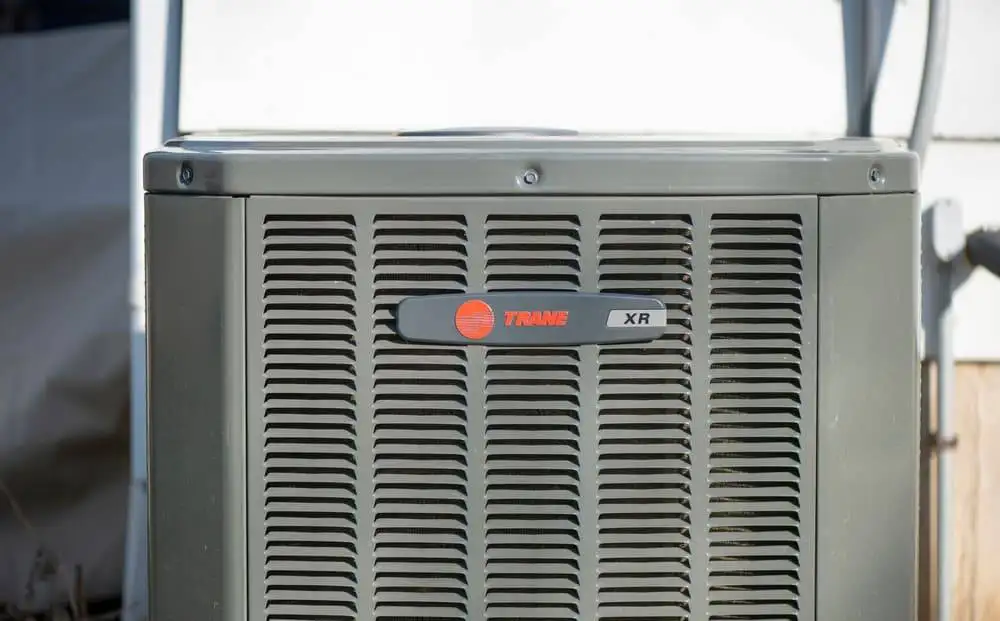
    If it is time for you to get a new HVAC system or just want to trade in your existing unit for one that is more energy-efficient, Howard Air & Plumbing can help you find the model that meets your company’s needs. As an authorized Trane dealer, we specialize in installing and maintaining these high-quality commercial units. Our technicians will measure your building and determine which size unit you need to cool the space effectively.

    Use Alternative Methods of Cooling

    Running your commercial air conditioner constantly will increase energy costs, so finding alternative ways to cool your building is a good way to save money. If you can, install ceiling fans. Because they use less energy than air conditioning units, ceiling fans can cool your building without costing a lot of money. 

    You may also want to plant shade trees around your building to reduce the amount of sunlight that penetrates the building. Excessive sunlight heats a building quickly, so if you can keep the sun from shining inside the building, you can naturally lower the temperature. Another good way to lower the cost of cooling your business building is to install energy-efficient windows. Make sure to install caulking and weather stripping around the windows to keep warm air from entering the building through minuscule cracks.

    Change Your Habits

    Changing your habits is one of the best ways to reduce the energy usage of your HVAC unit. Whether you own a big or small business building, use the following tips to conserve energy use and lower cooling costs.

    • Use energy-efficient light bulbs: Certain types of light bulbs give off a lot of heat, so using many of them can cause the temperature inside your business building to rise. Switch to using LED light bulbs to conserve energy and keep from heating the building unnecessarily. 
    • Keep the thermostat set as high as comfortable: The higher your thermostat is set, the lower your cooling bill will be. Setting the thermostat too high will cause your building to get too hot, while setting it too low will cause energy bills to skyrocket. Most people stay comfortable when the thermostat is set at 78 degrees, so aim for this temperature. 
    • Refrain from cooling an empty building: There is no point in paying to cool your business building when no one is working. Invest in a programmable thermostat so you can turn off the air conditioning system after all of your employees go home for the night. Nights are typically cooler than daytime hours, so you don’t have to worry about heat buildup while the unit is off.

    Work With an HVAC Company

    Even if you choose the best commercial HVAC system available and invest in alternative cooling methods such as a window unit, you could still end up spending a lot of money on electricity costs if you don’t keep the system maintained and serviced regularly. Enlisting the help of licensed technicians such as the ones at Howard Air & Plumbing is the best way to extend the lifetime of your unit and get the most for your money.

    For best results, we recommend servicing your commercial HVAC system at least once a year. During these routine visits, you can expect us to change out the unit’s air filters to improve the air quality in your company building. This is a task you can do by yourself, but we are happy to do it for you if changing the filters involves tight places such as crawl spaces.

    We will also thoroughly inspect your system to ensure every component is working properly. Minor issues can become major quickly, so our goal is to identify and repair any potential problems before they cause problems in the integrity of your system. By repairing and replacing components early, we can reduce the chance of your unit malfunctioning unexpectedly and keep it running with maximum energy efficiency.

    The final way the technicians at Howard Air & Plumbing help lower the cost of your cooling bill is by keeping your units and ducts clean. Our team members will thoroughly clean dirt, dust, pollen, and other pollutants from your air ducts at every maintenance visit. Not only does this improve the air quality of your business building, but it also keeps the system running smoothly.

    If you want to reduce cooling costs and still keep your company building at a comfortable temperature, there are many things you can do to lower your energy bill without compromising the comfort of your customers and employees. Partnering with a reliable HVAC company is the best way to keep your cooling system well-maintained, so it works properly and lasts longer. 

    Howard Air & Plumbing is ready to help businesses of all sizes in and around Phoenix to reduce cooling costs and improve their bottom lines. For more information on how we can help lower your energy costs, contact us today.

    Featured Image: Olivier Le Moal/Shutterstock

  • How Trane Systems Keep Your Business on Track

    How Trane Systems Keep Your Business on Track

    Updated Jan 26, 2022

    In this blog, you’ll learn how Trane systems keep your business on track. But first:

    If you want your business to be successful, making your business building more energy efficient is important. You want your workplace to stay at a comfortable temperature even during scorching summers and harsh winters so your employees will be more productive. 

    Investing in energy-efficient HVAC equipment means that heating and cooling your business building appropriately will be less expensive so you can improve your bottom line, and when it comes to energy efficiency, Trane HVAC units are some of the best on the market. Using commercial HVAC units from Trane helps your business stay on track so it can be successful.

    Benefits of Trane Units

    When you are deciding which commercial HVAC system to install in your building, durability, and energy efficiency are two important aspects to consider. An HVAC unit is a significant expense and should be seen as an investment, so you need to choose a unit that will lower energy costs for many years. Trane systems are built with top-of-the-line materials that are designed to last for an average of 15 to 20 years. They provide the following services.

    • Indoor air quality assessment: The indoor air quality of your company building is crucial for the health of your employees. Diminished air quality often causes health concerns for the people who work in your building and may reduce productivity. Trane equipment provides an indoor air quality assessment and alerts you if there are any concerns.
    • Heating: When cold weather hits, you want your business building to stay warm for your employees. Trane systems heat the entire building evenly, so everyone stays toasty during cold snaps.
    • Cooling: Scorching heat waves hit Arizona every summer, and if you want to combat the high temperatures in your business building, a Trane unit is a great option. These systems use ventilation to stimulate the circulation of cold air throughout the building, so it stays cool and comfortable for your customers and employees.

    In addition to this incredible longevity, Trane units are also known for drastically reducing energy costs. These systems use less power while heating or cooling your business building, so it stays at a comfortable temperature, so you spend less money on energy. This improves your bottom line to help your company stay on track financially.

    Advantages of Using Trane Equipment

    While enhanced durability, longevity, and energy efficiency are some of the most significant benefits of choosing a Trane HVAC unit for your business building, these systems are also beneficial to your company in other ways. Installing Trane equipment helps your business in three specific ways.

    Work With a Trusted Partner Like Howard Air & Plumbing

    Trane is committed to providing exceptional HVAC equipment. By choosing to use our systems, you decide to use the latest technology to keep your company building at a consistent, comfortable temperature. We want to keep our equipment working at peak performance and are dedicated to improving the systems we offer, providing continuous support and analysis.  This allows us to identify and repair problems with our units so you can be confident that your money has been well spent. Not only do we build rental building systems HVAC, but we also monitor all components to ensure they continue to work properly. Each system includes the following components.

    • Perf CSAA air handler
    • NV Series VRF system
    • Scroll chiller rooftop units
    • A sensible cooling terminal unit
    • Heaters energy storage system
    • Dedicated outdoor air units

    Analyze Data

    You want to see the improvement to your company building’s energy efficiency when you switch to a Trane unit, so we use technology and historical data about your building to determine key performance indicators. This information helps us establish a baseline, so we know how energy efficient the building was before using a Trane system. We analyze the same KPIs regularly to identify specific improvements. This also allows you to see how additional improvements can be made to further lower your energy costs.

    You may also want to compare your results with those of your competitors that use other brands of HVAC systems to heat and cool buildings of similar sizes. This practice helps you understand the specific benefits of using a Trane system, so you see exactly how much money you have saved. Active energy management requires an initial investment, but tracking the data will show you how quickly the investment is made up for with energy savings.

    Share Results

    There is always room for improvement when it comes to energy efficiency. By sharing your results, you help Trane improve upon their existing designs so your next HVAC system will be even more energy-efficient. Trane products help you take ownership of your improvement efforts by showing other building occupants the data showing your energy savings. 

    Using a variety of reporting tools such as energy dashboards, Trane equipment makes it easy to share your results and raises awareness of the importance of energy efficiency. The information shared allows Trane to take action in important areas so the company can further enhance the energy efficiency of its products.

    Contact Howard Air & Plumbing in AZ Today!

    Installing a new HVAC system is a significant expense, so when it is time to install a new unit, you want to get the most for your money with a system that can help your business stay on track. Trane HVAC equipment is made of durable, high-quality materials that will last for many years. As a licensed Trane dealer, Howard Air & Plumbing specializes in repairing, installing, and maintaining top-of-the-line HVAC units. 

    If you own a business in Phoenix, Arizona, or the surrounding areas such as Glendale, Mesa, or Scottsdale, Howard Air & Plumbing can help you choose the right Trane system for your business building and install it quickly and efficiently. Contact us today to discuss your HVAC needs and learn how a Trane system can benefit your business. Visit our showroom today!

    CONTACT US

    Featured Image: CC Photo Labs/Shutterstock