Author: admin

  • Should You Have Your Air Ducts Cleaned?

    Should You Have Your Air Ducts Cleaned?

    Is Air Duct Cleaning Worth It?

    Household pollutants are a serious threat, both to those with serious breathing issues such as asthma and those with perfectly healthy lungs. Modern homes contain more pollution sources than one might think, and it’s up to you as a homeowner to ensure you’re covering your bases to reduce pollution and keep the air quality within your home as high as possible. 

    Should You Have Your Air Ducts Cleaned?

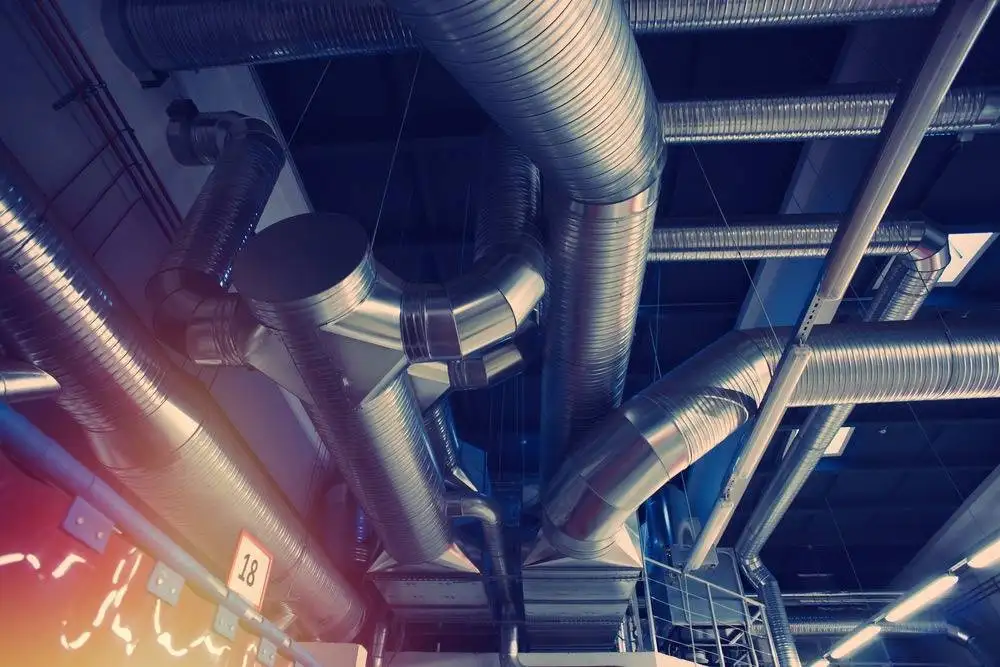
    Changing your air filters and regularly cleaning are steps you can take on your own, but you can take other crucial steps that might take a professional touch to get done right. One of these steps is investing in air duct cleaning by a team of HVAC professionals in Phoenix, a process that’s often overlooked but provides a considerable boost to air cleanliness.

    Why Should You Clean Your Air Ducts?

    You should have your air ducts cleaned now and again. Just like dust builds up on surfaces around your home, if they’re not cleaned regularly, it also builds up on the inside of your air ducts over the years. Unlike a tv stand or table, though, air ducts aren’t exactly easy to reach and clean without a particular set of tools and at least a bit of technical knowledge. This means dust remains in your vents and is moved throughout your home as your HVAC’s blower works to deliver cool air through those same vents. The EPA estimates that modern Americans spend as much as 90 percent of their time indoors each day, which is why this dust buildup and distributions can be detrimental to lung health. Those with breathing problems could spend nearly their entire day breathing in allergens that they cannot avoid.

    Additionally, dirty air filters can heavily impact the effectiveness and efficiency of your HVAC system. When your ducts are dirty, the blower must work harder and longer to push air through those ducts. This causes undue strain on your system, leading to breakdowns and other severe issues over time. Therefore, an investment in air duct cleaning is an investment in health and household efficiency in the long run.

    Is Air Duct Cleaning Worth It?

    The health benefits of home air duct cleaning depend largely on your family. If you have family members with compromised respiratory systems, having the air ducts in your home professionally cleaned could help prevent asthma attacks, coughing, and wheezing.

    More important, the ducts can become clogged with dust, insect parts and droppings, and grit that could damage your central air conditioner or furnace. Air conditioner filters are in place primarily to prevent damage to your system, not your family’s lungs.

    The grit and dirt that can impede heat transfer on your evaporator coils can lead to mold and mildew forming on the coil, a truly disgusting situation. When you consider that the air passing over that coil then moves into your home, it is even a more unpleasant thought.

    For the cost of one session of air duct cleaning, Phoenix homeowners can avoid expensive HVAC repair bills later and improve the indoor air quality for their families.

    What Are the Signs It’s Time to Schedule a Cleaning?

    Air duct cleaning isn’t something you’ll need every week, of course. It should be performed as required to keep the air quality within your home high. Fortunately, diagnosing dirty air ducts is a simple process that can be done at a glance sometimes. You can keep an eye out for several signs that indicate you may need to schedule an air duct cleaning soon. Some of these include:

    • Dust accumulating on surfaces throughout your home at a faster rate
    • Dust accumulating around air registers
    • Black marks appearing around air registers
    • Decreased breathability, particularly for those with asthma or other breathing problems
    • Unusual or musty odors from register areas

    While you could go as far as to have your indoor air quality tested to confirm that it’s time for a cleaning, these signs are easy enough for anyone with no technical knowledge of ductwork or air quality to pick up on. If you notice one or more of these issues in your home, it’s time to schedule air duct cleaning in Phoenix.

    Can You Clean Your Air Ducts Yourself?

    The short answer is no; you can’t properly clean your air ducts yourself. Though dirty air ducts are simple to diagnose, they are not easy to resolve, at least not without professional help. Air ducts are difficult to access, and most homeowners are unlikely to have the tools on hand that are necessary to get the job done thoroughly or correctly. Furthermore, reaching deep into ductwork without the right tools or training could be dangerous, leading to slips, falls, or stumbles that may lead to serious injuries. All in all, it’s best to trust this job to a team of professionals to keep yourself safe and to get the results you need and deserve.

    What Does Air Duct Cleaning Entail?

    At a glance, it may seem like air duct cleaning means little more than sweeping the dust out of your ductwork. However, the process is a bit more involved and thorough than when you choose to hire a Phoenix professionals team for the job. A professional cleaning process may include several steps, including:

    • HEPA decontamination to remove loose contaminants
    • Air register scrubbing to remove surface contaminants
    • Airbrush duct cleaning to thoroughly clean even the deepest part of your air ducts
    • Air handler cabinet cleaning to keep your air system clean at the source
    • Chemical cleaning of evaporator coils
    • Drain pan flushing and cleaning
    • Full duct system decontamination

    Air duct cleaning isn’t just about removing dust. It’s also about getting rid of various unseen airborne contaminants that may have made themselves at home in your ductwork on your vents and in your HVAC system over the years. This includes threats such as bacteria and viruses, among others, a type of removal that’s difficult without professionals’ assistance. Having professionals give your ductwork this full treatment, you’re ensuring your air isn’t just clean but that it’s also healthy and completely breathable for everyone in the family.

    When Should You Schedule Your Cleaning?

    It’s never too early to begin worrying about the quality of the air within your home. If you’ve noticed any signs of dirty air ducts in your home or you’ve recently moved into a new home, reach out to a professional duct cleaning team in Phoenix, AZ, to schedule a visit. Contact us at Howard Air & Plumbing to learn more about how air duct cleaning can improve your home’s air quality and what other measures our experienced team can take to purify the air you’re breathing every day.

    Featured Image: Shutterstock / Alexeisido

  • How Predictive Maintenance Will Change the Future for HVAC Technicians

    Predictive HVAC Maintenance

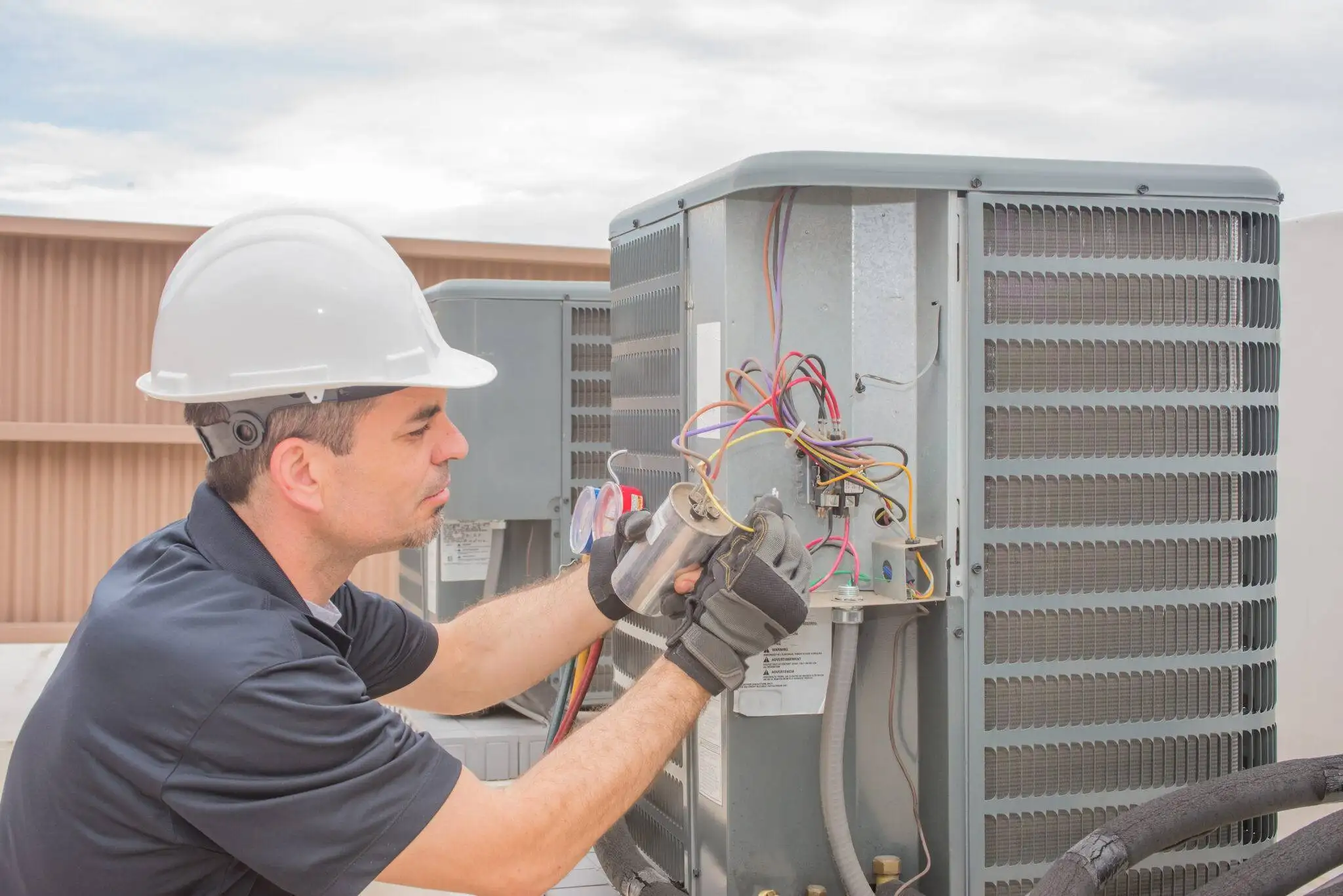
    Taking care of HVAC equipment requires a great knowledge of the tools of the trade as well as the myriad machines that keep homes and businesses cool or warm, depending on the season. Many people underestimate how much knowledge is required by the average technician who gives your HVAC system a tune-up.

    While skilled technicians that understand real world problems will never go away, predictive maintenance is the wave of the future. Keep reading to learn more about predictive maintenance and how it will change everything for technicians and consumers.

    Faster Service

    One of the great features of predictive maintenance is that it will allow a technician to do basic jobs much faster. The main way technicians are going to be using this in the future is to help them determine when and why they should be doing maintenance tasks.

    For example, tune-ups can really take hours for the technician. In a commercial setting, basic tasks could take a day or two. With predictive maintenance, techs will be able to know which items need their attention and which don’t.

    That’s because predictive maintenance technology will be able to pinpoint which parts of a system can really benefit from a tune-up or service call to prevent major repairs in the short term. That’s a major benefit for the technician who needs to prioritize what they’re doing on the average day and even on each individual call.

    New Techs Get Much Needed Help

    Technicians, on their first day of work, can’t possibly know everything about all of the different pieces of equipment that are out there. That’s where predictive technology can come in handy for both consumers and technicians. Help with basic service, at least when it comes to what tasks need to be performed, should be welcomed by both parties.

    After all, who wouldn’t want a device that can tell them which areas are likely to break next or which ones need the most attention? Everybody can use a little help on the job from smarter tools and maintenance devices.

    Lower Consumer Cost

    Predictive maintenance may not come overnight to the average consumer, but it is going to be part of the world as a whole very soon. This should result in customers having to pay less for service on major jobs.

    That’s because predictive service is going to be all about making sure catastrophes don’t happen. Instead of waiting to call your heating and air conditioning company every year when something breaks, you’ll be getting a lot more regular visits from your technician.

    Smaller bills and equipment that works longer will generally be the end result for the user.

    Howard Air & Plumbing

    Contact Howard Air & Plumbing to learn more about how predictive maintenance will change HVAC servicing for technicians and customers, alike. Howard Air & Plumbing can also help you with all of your residential or business HVAC needs.

  • Arizona Indoor Air Quality Guide

    Arizona Indoor Air Quality Guide

    Arizona Indoor Air Quality Guide

    Anyone who lives in Arizona knows how sweltering the state’s summers can be, and that the heat doesn’t just disappear when the summer ends. While the US southwest’s dry heat is precisely what some people love, it is, unfortunately, not beneficial when it comes to maintaining clean, healthy air. Air quality decreases during extended heat waves, which is bad news in AZ’s largely desert state. Little can be done to adjust the outdoor heat or air quality, but indoors, you have a bit more control over the cleanliness of the air you’re breathing. Learning about indoor air quality in AZ is the first step to helping your lungs breathe easy year-round in one of America’s hottest states.

    Indoor Air Pollutants

    The first step to understanding air quality within your home is understanding the presence of pollutants. Every home has contaminants, though some may have more than others. Contaminants usually fall into four categories:

    • Asthma triggers
    • Combustion pollutants
    • VOCs
    • Radon

    Asthma triggers are, by and large, the most prominent source of pollutants in most homes. This category includes pet dander, dust, pollen, mold, and secondhand smoke. For the 25 million Americans diagnosed with asthma, these pollutants may cause coughing and difficulty breathing. For another 50 million Americans with allergies, these same pollutants can lead to sneezing, itching, and general hay fever symptoms.

    Combustion pollutants consist of particles from unventilated or poorly ventilated heating appliances such as dryers, furnaces, space heaters, fireplaces, and water heaters. The amount of pollutants produced depends on the machine in question and ventilation measures.

    VOCs (Volatile Organic Compounds) are pollutants that originate from a wide array of household products. These include paints, pesticides, household cleaning products, air fresheners, and even dry-cleaned clothing. They can irritate the eyes, throat, and nose and lead to headaches in high amounts.

    Radon is from the soil around a home. It’s a radioactive gas that may find its way indoors via cracks in a home’s walls and floors and is the leading cause of lung cancer for non-smokers within the United States.

    Controlling Pollutants

    Reducing the number of pollution sources within your home is always the right place to start, but it’s not always a practical move. Some of the most common home appliances, such as dryers and water heaters, create pollutants, and doing away with them entirely is beyond impractical. Fortunately, you can take plenty of other EPA-recommended steps to control your Arizona indoor air quality.

    While you may not be able (or willing) to remove the water heater, the dryer, or the gas stove from your home, you can choose to ventilate them better. On days when the weather allows, consider opening windows or doors to ventilate your home a bit better. Of course, Arizona is hot, and leaving windows open all day can quickly rack up your air conditioning bill. If your energy expenditure is a concern, consider using exhaust fans in the kitchen and bathroom and running your air conditioner with the vent control open to boost indoor ventilation throughout the day.

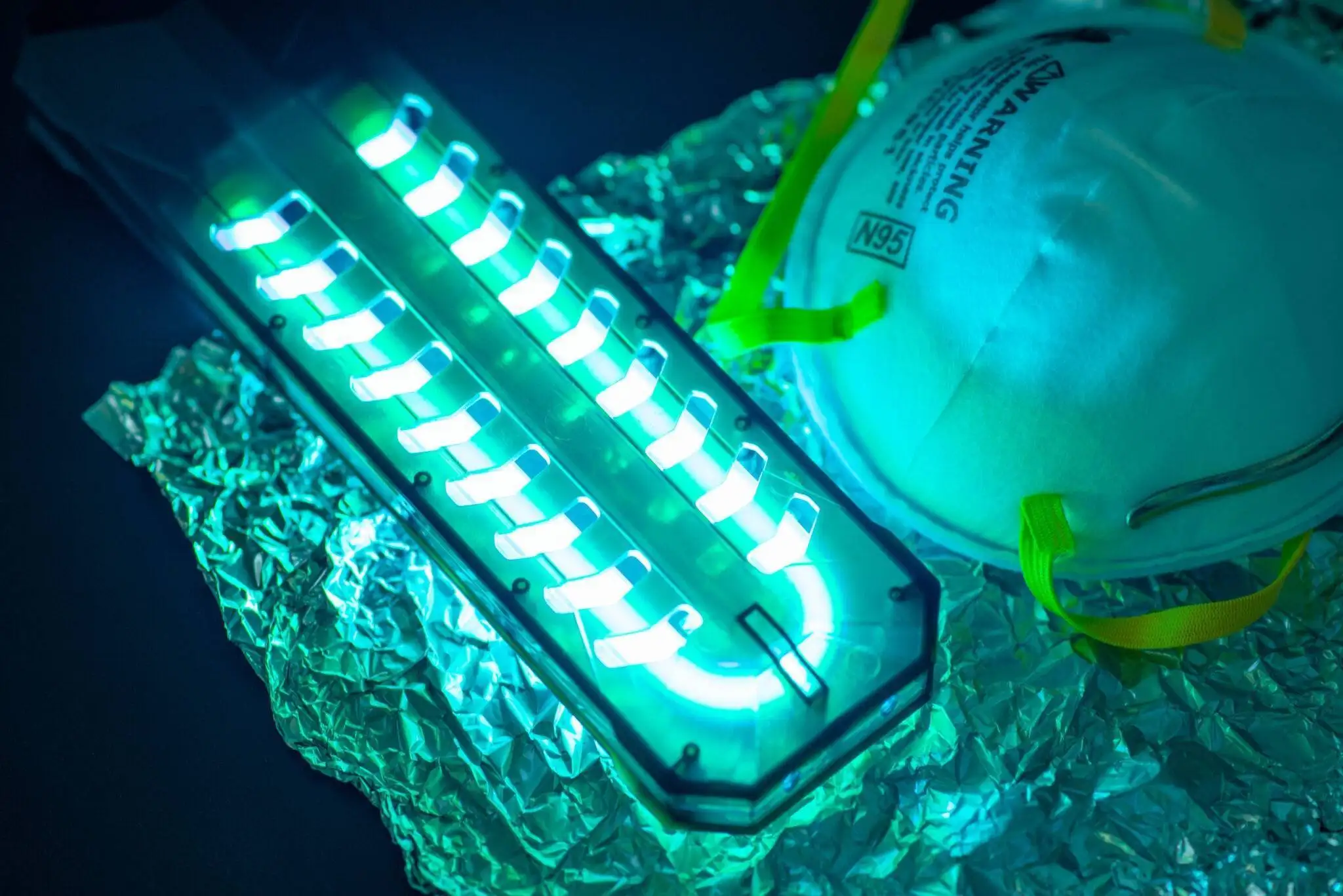
    Next, keep in mind that your HVAC unit is responsible for circulating air throughout your home. Keep your HVAC system clean to keep your home’s air cleaner. For most, this means remembering to change the air filter regularly, as highlighted on the packaging of the filter you use. Depending on the type, this could be every 30 days or every three months. Additionally, consider investing in a UV sanitization system for your home. These systems help eliminate viruses, mold, and bacteria that filters can’t contain.

    Fortunately, humidity isn’t an issue that few homeowners in AZ have to worry about. Most of the state has a dry heat. However, for homes that might live in damper areas, it’s crucial to keep humidity under control to reduce mold growth. Ideally, indoor humidity should be kept between 30 and 50 percent. Either ventilate to reduce humidity or use a humidifier to raise it when necessary.

    Some other steps you should consider taking to improve your home’s air quality include:

    • Having your home tested for radon
    • Don’t allow smoking inside of your home or car
    • Clean your home regularly
    • Inspect heat-creating appliances regularly
    • Clean up and repair water leaks as soon as possible
    • If you spot any mold, clean it up immediately
    • Wash bedding weekly, preferably in hot water
    • Keep household pests under control
    • Always ventilate when using products that create VOCs
    • Consider investing in a carbon monoxide detector

    Finally, invest in regular inspections by an HVAC professional in Phoenix, AZ. While you may be unable to spot issues with your HVAC system that could be contributing to the low air 

    quality within your home, a trained eye can spot problems like dirty, moldy coils or a bacteria-infested drain pan and recommend solutions to you in no time. Each of these steps helps to boost the quality of air within your AZ home and ensure that you, your family, and your guests are safe and breathing clean, healthy air year-round.

    Get the Clean Air You Deserve

    Removing pollutants from your home and keeping them out can seem like a huge challenge, but you aren’t alone. Contact Howard Air & Plumbing for more information on how you can control the presence of pollutants within your home and create a preventative plan to keep the air in your home as clean and pure as possible in the coming years. You may not be able to control the Arizona heat or the air pollution that comes along with it, but with the right tools and a team of experienced professionals on your side, you’ll have full control of your home’s indoor air quality in no time.

    Featured Image: Shutterstock / Hung Chung Chih
  • How UV Light Improves Air Quality

    How UV Light Improves Air Quality

    How Ultraviolet (UV) Light Improves Air Quality

    Air filters are a vital force when it comes to combating unwanted air pollution within your home. However, even if you pay attention to MERV ratings and change your filter like clockwork, you still might not be getting the cleanest possible breathing experience within your home, especially when the spring and summer months roll around with their heightened pollen and moisture levels. Fortunately, there’s another interesting way to combat airborne pollutants that is becoming more and more popular throughout Phoenix each year: UV bulbs.

    The Science Behind the Method

    Ultraviolet (UV) light is a frequency of light that mostly exists beyond the scope of human perception. It is emitted by the sun and is the force that leads to freckles and sunburn when you spend too much time outdoors. Aside from being a sort of light, UV is also a form of electromagnetic radiation. UV light is sorted into three categories, depending on how powerful the radiation it emits is:

    • UV-A (315 to 400 wavelength band) is more visible than the other two categories and is mostly harmless (used in black lights and tanning beds)
    • UV-B (280 to 315 wavelength band) is more robust and has enough energy to disrupt the DNA in skin cells, leading to skin cancer and sunburn
    • UV-C (100 to 280 wavelength band) is the most powerful of the three categories and can completely wipe out microscopic organisms by destroying their DNA

    The UV-C classification of ultraviolet light is used in UV sanitation methods. While there is an abundance of UV-C outdoors to clean the environment naturally, it’s very rarely found in the enclosed, insulated spaces of modern homes. This is why it’s estimated that the number of pollutants inside homes can be more than 100 times higher than outdoor spaces.

    How UV Light Is Used to Keep Air Clean

    Of course, the solution to reducing the number of pollutants and microorganisms in your home isn’t just to fill it with UV lamps. While it would be an excellent way to get a sunburn indoors, it’s not a very effective way to keep the air clean. Instead, an effort should be made to concentrate the presence of UV light within critical parts of your air conditioning system. These lights keep your HVAC system clean, reducing the number of particles circulating throughout the air in your home.

    Though UV sanitation lights in Phoenix can be installed in ducts, vents, and even near the ceiling in rooms, they’re most often found mounted near the drain pans or cooling coils of HVAC systems that use this technology. In these areas, the UV-C light can dramatically reduce the amount of mold and bacteria found in the air by reducing – or even stopping – their growth. These two areas are by far the most responsible for accumulating and shedding mold and bacteria, making them the ideal spots for UV cleaning to take place.

    The Benefits of UV Sanitization

    When you choose to implement UV bulbs to keep the air clean in your home, you’ll encounter a wide range of benefits. First and foremost is, of course, cleaner air throughout your home. While air filters provide an irreplaceable service when it comes to filtering out pet dander, pollen, and dust from the air in your home, many filters are powerless against the microscopic presence of bacteria, viruses, and mold. UV light can reduce or eliminate these unwelcome pollutants, making them a perfect complement to a good, efficient air filter.

    For millions of Americans, this boost in air purity comes with the added benefit of more comfortable, healthier breathing. This boost in air quality is suitable for even the healthiest lungs, of course, but is even more beneficial for the 24 million people in the United States with asthma and the 50 million Americans who suffer from household allergies. By reducing the number of irritants in the air, you’re reducing the likelihood of hay fever or asthma attacks for both residents and guests who might otherwise be affected in your home.

    Additionally, by keeping your HVAC system cleaner, you’re keeping your system more efficient. By killing off bacteria, mold, and other pollutants, you’re keeping your coils cleaner. Cleaner coils mean your system can work with less strain. Not only does this mean making your home’s operations more “green” in the long run, but it may also translate to reduced monthly energy bills. Installing UV bulbs is a simple step that keeps homes healthier and greener while bolstering your energy budget.

    Finally, keeping your coils clean also means reducing the likelihood that you’ll need to perform expensive repairs soon. Dirty coils inside an HVAC system often lead to corrosion, leading to refrigerant leaks and other issues that keep your system from running effectively at best and contribute to a complete system breakdown at worst. Cleaning your coils with UV light serves as a form of preventative maintenance so your system can work better, longer.

    Biocide Chambers

    Biocide chambers are UV sanitization products that fit both above and below your cooling coil. The dual chambers are installed by a professional and work hard to bring you all the benefits of UV cleaning without any hassle on your part. After they’re installed, biocide chambers will:

    • Reduce the presence of mold and mildew
    • Keep your air conditioner coil sanitary
    • Reduce the presence of allergens in your home
    • Slow system corrosion
    • Keep coils clean to discourage refrigerant leaks
    • Keep your HVAC efficient and effective for longer
    • Improve the overall air quality of your home

    It’s estimated that a good, top-of-the-line biocide chamber could reduce the presence of airborne threats such as viruses throughout your home by up to an astounding 99 percent. Used in tandem with an air filter with a suitable MERV rating and proper maintenance, these UV cleaning products will keep you breathing easy in your home year-round.

    Learn More

    If you’re interested in learning more about how biocide chambers and other UV cleaning methods can keep your home clean and clear of airborne pollutants, contact Howard Air & Plumbing. Our team of HVAC professionals in Phoenix, AZ, are highly knowledgeable on the subject of UV lighting systems and can give you a thorough rundown of how, exactly, your home will benefit from the installation of one of these air cleaning systems. You deserve to breathe easy in your own home, regardless of whether you have asthma, allergies, or other breathing problems. Rely on the power of UV light to give you the clean air you need, and rely on our professionals to provide you with the professional installation you deserve.

    Featured Image: Shutterstock / Nor Gal

  • AC Repair vs. Replacement – Which is More Cost-Effective?

    AC Repair vs. Replacement – Which is More Cost-Effective?

    A/C Repair vs Replacement

    When you face serious issues with your home’s air conditioner, you’ll be forced to make a big decision that has plagued homeowners for years and seldom an easy one to answer. However, by considering a few details, you can make an informed decision that’ll be good for your home’s comfort levels and budget in the coming years. Find the answers you need to the air conditioning repair replacement debate once and for all by considering a few key details regarding your system:

    The Age of the System

    While air conditioners are usually built to last, they all have their limits. When a unit gets too old, not only is it likely to encounter problems that need to be repaired continually, but it’s likely not operating at anything nearing peak efficiency, either. If your AC unit is over ten years old, it’s time to begin at least closely considering the possibility of a full air conditioner replacement in Phoenix, AZ, soon. It might cost more upfront, but it will save you money on both repairs and operating costs in the coming years.

    The Cost of Repairs

    The first thing you’ll need to do to make the right decision of whether to repair or replace your system is to get a quote on the expected cost of the repairs. Serious AC repair work in Phoenix is expected to be expensive in many cases, but following the 5,000 rule can help you determine if the price of the repairs is genuinely worth it or not. This formula, used by some HVAC companies, involves taking the expected cost of the repairs and multiplying them by the system’s age. If the result is over 5,000, it’s likely better to invest in a replacement instead. For example, a unit that’s ten years old and in need of repairs valued at $450 would have a score of $4,500 under this model, meaning it’s a good idea to repair. However, a unit that’s 12 years old and in need of $600 worth of repairs would net a score of 6,000, meaning that replacement would likely be the best idea. It’s a simple formula that considers both the cost of repairs and the dwindling longevity of an old system to make the decision easier.

    The Frequency of AC Issues

    While the 5,000 rule is generally reliable, you may need to deviate from it in some cases. Your system may need small repairs that place its score far below the 5,000 thresholds but have relatively frequent issues that add up over time, eventually costing you more than simply replacing your system altogether. Suppose your system breaks down several times within the span of a few years. In that case, this is an indicator that it’s unable to handle the strain of operating during the most intense seasons and that replacement may be a better option. However, if you’re only dealing with minor repairs every now and again, repairing your current unit makes more sense financially.

    The Noise Your System Makes

    Almost every air conditioner make some sort of noise while it operates. Fans, condensers and air intakes all generate some noise, but there is such a thing as a system being too loud. If your system has become unbearably loud, it’s likely begun to overexert itself to keep your home cool during those sweltering Arizona days. This overexertion leads to a wide range of other issues, including:

    • Short cycling
    • Accelerated equipment wear and tear
    • Higher monthly energy bills

    Typically, this overexertion and the noise it causes can be repaired and prevented by setting up and following an annual maintenance plan designed to keep stress on the system as low as possible. Generally, a simple noisy unit isn’t grounds for a full replacement unless other, more serious underlying issues are present.

    The Inability to Maintain Even Temperatures

    Suppose even after regular maintenance and minor repairs, your system cannot maintain even, consistent temperatures throughout your home. In that case, likely, it’s simply no longer up to the task. While upgrading your heating and cooling power via a brand new system will almost definitely get the job done, be sure to speak with your chosen HVAC professionals in Phoenix first. You could be dealing with damaged ductwork or other issues that can’t be fixed by simply replacing your existing system.

    The Final Decision

    Even using these criteria to assess your situation, choosing between repairing and replacing your air conditioner can be tough. When in doubt, always reach out to the professionals for their input on your situation. Contact Howard Air & Plumbing to review your current system and recommendations on how best to solve your air conditioning issues in a financially responsible and forward-thinking manner.

    Featured Image: Shutterstock / David Spates

  • Programming Your Thermostat to Save on Your Energy Bills

    Programming Your Thermostat to Save on Your Energy Bills

    Save on your Home Energy Bills

    Is your monthly energy bill too high? Then it might be time to take a look at simple yet effective ways to lower the cost. The best place to start is with the utility that makes up the most significant percentage of your bill. The cost of running an air conditioning unit makes up about 29 percent of the average household’s annual energy bill, making this utility the single largest contributing factor to a high energy bill. Replacing an aging AC unit for a newer model with a higher SEER rating is likely to make the most significant difference in decreasing the total of your monthly bill. There are other, less expensive ways to go about saving on your air conditioning costs as well. In fact, simply programming your thermostat to operate in an efficient manner could result in huge savings.

    How Do You Set Your Thermostat to Save Energy?

    The key to finding the right setting for a thermostat in any home is remembering that the less the difference between the temperature set on the thermostat and the ambient temperature outdoors, the better. This means you’ll likely need different programming plans for both the warmer summer and cool winter months. In the winter, setting your thermostat to 68 degrees Fahrenheit when you’re home and awake is the most efficient way to keep your home comfortable. During the summer months, it’s recommended that setting your thermostat to 78 degrees Fahrenheit provides the best balance between comfort and efficiency.

    These are good base settings to work with throughout the seasons, and just making these changes could save you a considerable amount of cash on your monthly Phoenix energy bill. However, to make your savings even more noticeable, program further changes to your thermostat based on when you expect to be out of the house or asleep. When you’re asleep or during the day when you and your family are at work or school, set the thermostat to run 7 to 10 degrees warmer in the summer or cooler in the winter to keep your energy costs even lower.

    How Much Energy Can You Save?

    By keeping your thermostat at reasonable levels and setting your thermostat 7 to 10 degrees warmer or cooler for 8 hours each day, you could save as much as 10 percent on your annual energy bill. According to the official Energy Star website, this often means savings of around $180 for the average household in the United States each year, at an average of $15 each month.

    Of course, how much you save depends on a wide number of factors regarding your home and your air conditioning unit itself. Some of these include:

    • The size and layout of your home
    • The age of your air conditioning unit
    • The model and size of your unit
    • General maintenance of your unit and related parts

    To ensure you’re getting the most savings possible with these changes to your thermostat settings, ensure you’re putting in the necessary year-round work to keep your unit running smoothly. This means completing simple tasks such as outdoor cleanups and changing your air filters as well as scheduling regular inspections and maintenance from your HVAC repair companies in Phoenix.

    Is it More Efficient to Keep the Thermostat at a Constant Temperature?

    While this is a commonly-held belief among many homeowners, the fact is that keeping your thermostat at a constant temperature, even when you’re not home, rarely saves energy. The justification of this thought process is that your HVAC unit will have to work more to heat or cool your home after it’s been warmer or cooler for an extended period of time. However, maintaining a constant temperature simply means your unit will be working harder throughout the hottest or coldest parts of the day. It wastes energy when you and your family aren’t even around to enjoy the comfortable temperatures that hard work produces.

    Does Turning the Thermostat On and Off Save Money?

    Turning your air conditioning system completely off while you’re away and then back on when you come home seems like it could save you money, but in fact, it could cost you even more than simply adjusting your thermostat. If you turn the system off entirely, the interior of your home may heat or cool far too much, meaning your HVAC unit needs to work at full blast when you turn it back on. Additionally, turning your thermostat off entirely may lead to issues with other environmental factors. Your heating and cooling systems help to control moisture within your home, discouraging the development of condensation and potentially even mold growth on walls and other surfaces throughout each room. Instead of turning off your unit altogether, just stick to the plan of keeping the thermostat set warmer or cooler when your family will be away.

    Work With the Pros to Reduce Your Energy Bill

    Ensure your system is running smoothly throughout the year to get the most of your temperature control efforts by contacting Howard Air & Plumbing in Phoenix to schedule an annual inspection and tune-up. This team has the experience and know-how to ensure you’re getting the best performance and best price out of your Phoenix HVAC system so you can enjoy your savings in peace.

    Featured Image: Shutterstock/Goodluz

  • How to Buy the Best Air Conditioner for Your Phoenix Home

    How to Buy the Best Air Conditioner for Your Phoenix Home

    Updated Feb 25, 2025

    If you already live in Phenix (or even if you’ve ever visited), you already know why it’s important to find an excellent air conditioning system. Choosing a good option now can save you a lot of problems down the road, so installing new HVAC equipment is definitely worth doing the right way. This short guide will tell you everything you need to know about buying a new A/C for your home.

    What Makes the “Best A/C System”?

    First and foremost, your air conditioner should be able to keep your home comfortable even here in the Valley of the Sun. That’s a big job, so it’s also important to think about how much energy your unit will require on hot summer days. Finally, it’s good to consider the durability and reliability you can expect from your system so you don’t have to buy a new one too soon.

    1. Unit Size

    There’s a big difference between an air conditioner for a luxury garage and what you’d need to keep a whole home or business cool. Beyond building size, the number of windows in space will affect the air conditioner capacity required. Pick the right unit for the job.

    2. Efficiency and Features

    Homeowners near Phoenix often keep their homes 30° than the outside temperature on the warmest days of summer. That means an efficient A/C system can save you a lot of money. Look for high SEER2 Ratings and features like dual-stage or multi-stage capability.

    3. Brand Reputation

    Simply put, some brands are more reliable than others. When you buy from a premier air conditioning brand, you can expect your equipment to last longer and run more reliably. Here at Howard Air & Plumbing, for example, we’re proud to sell and install high-efficiency Trane systems. These HVAC systems are tested rigorously to ensure they’re ready for conditions like the Arizona desert.

    Best A/C Systems in Phoenix, AZ from Howard Air & Plumbing

    At Howard Air & Plumbing in Phoenix, we know what it takes to choose the best air conditioner for Phoenix. Our experts will help you select the right unit for your home or business, then we’ll get you up and running with a fast installation. If you want to see options in person, we’ll welcome you to our showroom and design center in Deer Valley. Contact us today to get started.


  • What Size A/C Unit Do I Need?

    What Size A/C Unit Do I Need?

    Updated Feb 25, 2025

    Buying a new air conditioner can be stressful because there are so many different factors to consider. If you live near Phoenix, AZ, there’s some extra pressure because you know just how important it is to have the best air conditioner for your home or business. Buying an oversized system can be a waste of money, but your home will be hot all summer if your air conditioner is too small.

    Professional HVAC contractors are skilled at calculating the perfect air conditioner size for a home or business. They take a number of different factors into account. For example, the style and quality of the ductwork will impact how large of a unit you need. If your home has a lot of windows, you may need a larger air conditioner, especially if the windows aren’t very well insulated. Other factors include the amount of shade your property gets, how much heat you generate by using appliances, and even how many people use the space.

    How Many Square Feet Will an Air Conditioner Cool?

    The size of an air conditioning unit is measured in British Thermal Units (BTU). It’s also important to keep in mind that the size of a property isn’t the only thing to consider when shopping for a new A/C unit. 

    With that in mind, though, here are some general guidelines about what you can expect if you’re wondering how many BTU you need by square foot:

    • A 500 square foot space will need about 12,000 BTU.
    • A 1,000 square foot space will need about 22,000 BTU.
    • A 1,500 square foot space will need about 25,000 BTU.
    • A 2,000 square foot space will need about 34,000 BTU.

    Finally, keep in mind that you’re likely to need a larger air conditioner if you live in or near Phoenix because the weather here is so hot.

    Where Can I find an A/C Unit in Phoenix, AZ?

    At Howard Air & Plumbing in Phoenix, AZ, our entire team lives and works in Peoria, Surprise, Tempe, and the surrounding areas. In other words, we’re experts in finding the right air conditioner for homes and businesses near Phoenix. We proudly supply Trane air conditioners because we believe this brand builds superior products for tough climates like ours. Contact us today, and we’ll help you find the right A/C size.


  • Are Air Purifiers Effective in Controlling Indoor Air Pollution?

    Are Air Purifiers Effective in Controlling Indoor Air Pollution?

    Do Air Purifiers Work for Pollution?

    For decades, household air purifiers have been a popular way to combat the ill effects of air pollution inside the home. In any given room, pet dander, pollen, dirt, dust, and other pollutants contaminate the air and contribute to a less-than-ideal breathing experience, especially for those with allergies and asthma. Air filters are generally seen as the best way to combat this issue, but how effective are they really? Are there other means of improving home air quality? These are questions you must stop to ask if clean, clear air is your goal.

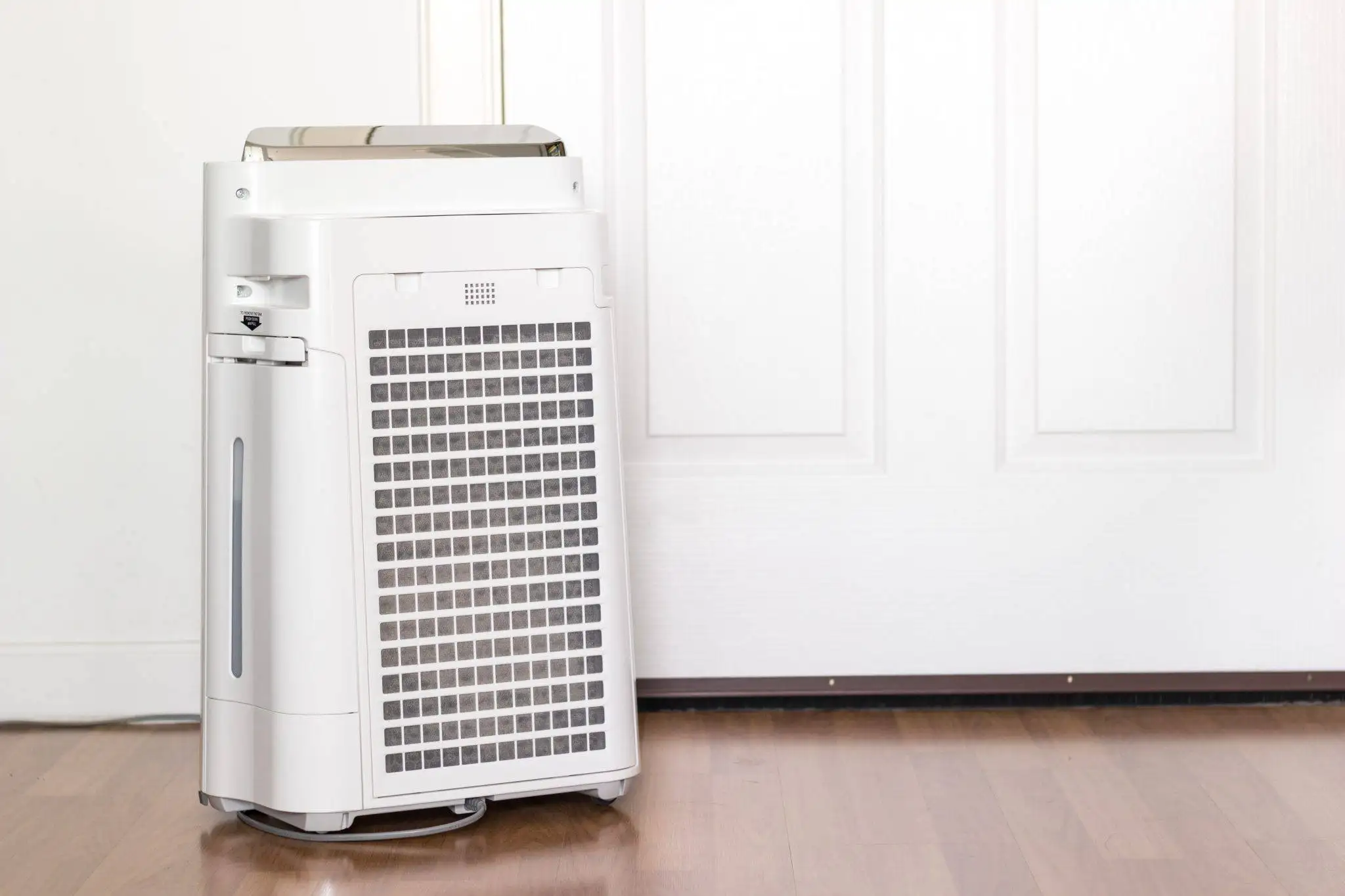
    While running, air purifiers draw in air from around the room they’re stationed in, push that air through a filter to trap contaminants, and blow cleaner air back out. While this certainly does take care of certain larger contaminants such as pet hair, dust, and even pollen, the fan and filter system can’t handle every pollutant it comes across. In fact, the biggest pollutants you want to take care of as a homeowner may remain entirely unaffected by many common air purifiers in Phoenix and beyond.

    Filters may catch small particles, but no mesh or fabric filter is small enough to completely stop gasses like radon and remove them from circulation in your home. In order to stop VOCs (volatile organic compounds) with a purifier, the filter must contain an absorbent like activated charcoal. While there are some models that include this crucial addition, most household filters do not, which severely limits their pollution-fighting capabilities. Because of this huge discrepancy in design, it’s not possible to say that all filters are effective when it comes to completely removing pollution from an indoor space.

    However, there are purifiers that rely on interior ionizers to clean the air rather than filters, and these are generally suspected to be more effective at keeping gasses and other non-solid particles at bay. Because these don’t rely on filters than need to be changed every few months to remain effective, they may be installed in more useful places (such as your air ducts) to start their powerful work at the source. These purifiers are generally more expensive but are proven to not only zap pollutants out of the air but also to reduce the number of bacteria on your average household surface.

    Does an Air Purifier Help to Improve the Air Quality in a Room?

    While most air purifiers don’t eradicate indoor air pollution, they still work to increase air quality. They may not completely cut out the presence of irritants in the air inside of your home, but they help to reduce the presence of many, including:

    • Mold
    • Pollen
    • Pet dander
    • Dust mites
    • Smoke
    • Chemicals from cleaning products

    Note that air purifiers reduce the presence of these irritants in the air, but may not completely get rid of them. It’s generally advisable to not only use a high-end filter in your purifier but to also use it in conjunction with a heavier filtration system. This is especially true when dealing with a serious air contamination issue such as mold. In any case, by reducing the number of solid particles in the air in your home, purifiers do work to increase the air quality of a room, even if they may need assistance to eradicate threats entirely.

    Does Opening Windows Improve Air Quality?

    Yes, opening windows in your home can raise air quality. This allows fresh, clean air to come into your home while whisking out some of the household pollutants present within a room. However, when dealing with air quality in Arizona, you’ll already know this isn’t the greatest approach. With searing heat covering this corner of the country for a large portion of the year, open windows mean the interior of your home can become sweltering in no time. That’s why it’s best to invest in professional services and an effective air purifier instead.

    How Can We Control Indoor Air Pollution?

    It’s possible to help your air purifier out with its monumental task by hiring a team of professionals to take important measures to keep pollutants at a minimum inside your home. Some services that are highly effective at reducing the number of interior pollutants in a home include:

    • Duct cleaning
    • HVAC filter changes
    • General HVAC maintenance
    • Regular inspections

    Each of these services is designed to keep indoor air pollution under control through preventative measures. In conjunction with a high-end air filter, investing in regular maintenance visits from your local Phoenix HVAC professionals keeps pollution to a minimum so you can breathe easier.

    If your end goal is to have clean, healthy air in your home, it’s time to call in the experienced Phoenix professionals. Contact Howard Air & Plumbing to schedule an appointment for an air duct cleaning or more information on how we can offer you cleaner air in your home with an air purification system. With our tools, know-how, and access to superior purifying products, we’re dedicated to getting you the breath of fresh air you deserve.

  • Ducted Air Conditioning Prices: What to Expect

    Ducted Air Conditioning Prices: What to Expect

    If your Phoenix-area home was built without a furnace, it probably has no ductwork. Ductwork is essential for central air conditioning and most heat pumps. Ductless systems can be added to your home, but for the full force and cool comfort of air conditioning, you need ducted air conditioning.

    This means, naturally, you need to know the price of ducted air conditioning. To avoid any awkward situations and to keep your negotiating edge, knowing ducted air conditioning prices before talking with an HVAC contractor is a good strategy.

    Price for New Ducted Air Conditioning System

    Here are some averages from trusted online sources.

    National Averages

    For a glimpse at national average estimates, we can turn to a clever site like HomeAdvisor, which gives us these figures for duct installation:

    • Low cost: $200 (this makes absolutely no sense unless you are running ductwork in a garden shed)
    • High cost: $3,500 (this would be the outlier in which you run several hundred feet of ductwork in a very large home)
    • Average range: $515 to $1,702
    • Median cost: $1,087

    Local Averages

    The online estimator at HomeWyse can help you get a closer duct installation estimate. Entering the zip code for Howard Air & Plumbing’s Phoenix office, and assuming a round number of 100 feet of ductwork, the cost comes out like this:

    • 106 linear feet of ductwork: High estimate, $222.66; low estimate, $190.80
    • Labor (5.7 hours) for installing 100 feet of ductwork: High quote, $562.54; low quote, $464.09
    • Supplies: High cost, $32.92; low cost, $28.94

    Total estimate using the algorithm behind this online estimator: $818.12 at the high end, and $683.84 at the low end.

    These extremely precise estimates should immediately alert you that an unthinking computer, not a trained HVAC technician, is behind them. Sight unseen, nobody can accurately estimate the costs. Some duct runs may require more work than others; some walls or ceilings may have to be opened up.

    The AC Itself

    The ductwork is only part of the picture. You still need a central air conditioning system to blow cool, dehumidified air through the new ductwork. Depending on the national brand you select, the size of the cooling plant as determined by the ACCA Manual J and the design of the ductwork, you could be adding another $2,900 to $5,100 for the two-part central air conditioning system.

    Contact Howard Air & Plumbing to Learn More

    Turn to Howard Air & Plumbing for accurate, helpful pricing and planning for your ducted air conditioning. Contact us today at (623) 201-5153 to learn how we can help you chill out!