Author: admin

  • Best Commercial-Grade AC Units for Large Buildings

    Best Commercial-Grade AC Units for Large Buildings

    Updated Sept 29, 2022

    In our decades of experience installing commercial HVACs and home comfort systems, we at Howard Air & Plumbing have frequently encountered the misconception that all air conditioners are the same.

    Granted, they all move warm air from the inside of the property, condition it by extracting the heat from the air and delivering it outside and then circulating the resulting cool air throughout the inside space. However, they do so with varying levels of efficiency, which translates directly to your wallet.

    At Howard Air & Plumbing, we’ve helped the business owners and residents of Arizona keep their energy bills down without sacrificing comfort, and we’ve done so by recommending the best commercial AC units on the market for their properties and offices.


    Commercial AC Unit Brands You Can Trust

    If you’re looking for a new air conditioner that you can trust for commercial applications, take a closer look at the following manufacturers.

    carrierAs certified Installers for the Carrier brand, we proudly stand behind this manufacturer’s excellent units. It’s a strong brand in commercial applications and offers units in a wide range of sizes to fit any business’s needs. 


    Trane Air Conditioners at Howard AirTrane units are very well-made and found regularly in commercial settings, where they’ve been known to provide vigorous cooling and operate efficiently for many years. The company has a very solid reputation with their commercial line.


    York Air Conditioners at Howard AirHere at Howard Air & Plumbing, we have a lot of experience with York air conditioner units, as well. Their operational efficiency puts them on our shortlist of best AC units, although their simpler design means they don’t have as many features as some of the other units on this list.


    Goodman Air Conditioners at Howard AirAnother solid contribution to commercial air conditioning, our technicians have had positive experiences with Goodman units. In addition to being reliable, they’re less costly than some comparable options. Solid performance and good customer service – you can’t go wrong with Goodman.


    Lennox Air Conditioners at Howard AirLennox has a strong reputation as a brand and their AC units are noted for their reliability. They are generally more expensive than other brands and notably so with replacement parts, but are very solid units.


    Rheem Air Conditioners at Howard AirRheem air conditioning units differ from the other options – while the operation is good, their unique geometrical configuration makes their coils more prone to needing maintenance (as they can freeze up), and more difficult to clean than other units.


    Need a New Commercial Unit Installed or Your Current One Maintained? Contact Howard Air & Plumbing Today!

    At Howard Air & Plumbing, we work on all these major national brands and others as well. We can diagnose any problems your AC unit has and work with you to determine if repairing or replacing the system is your best option. Contact us today for a complimentary estimate.


  • What’s the Difference between Furnace vs Heater?

    What’s the Difference between Furnace vs Heater?

    (Updated Feb. 2025)

    As the chilly month’s approach, you’re certainly glad to have a good, reliable source of heat in your home. Do you know what type of device heats your home, though?

    Modern homes come equipped with heaters and furnaces to keep the interior warm, and while they both serve the same function, they are, in fact, two different things. Depending on which one you have in your home, you may need to take different steps to acquire either heater or furnace maintenance over the years to ensure your home stays warm and cozy all winter long.


    What’s the Difference?

    In order to fully understand the difference between a heater and a furnace, you first must understand that the word “heater” is a very broad term that’s used to describe a wide array of devices that produce and emanate heat. Some of these include:

    • Space heaters
    • Boilers
    • Fire
    • Hand-warmers that fit inside pockets
    • Electric blankets

    In short, anything that’s capable of producing and distributing heat to a controlled and specified area is considered a heater. The central heater in your house is the appliance that’s responsible for moving warm air throughout your home to ensure that all rooms are evenly heated and comfortable.

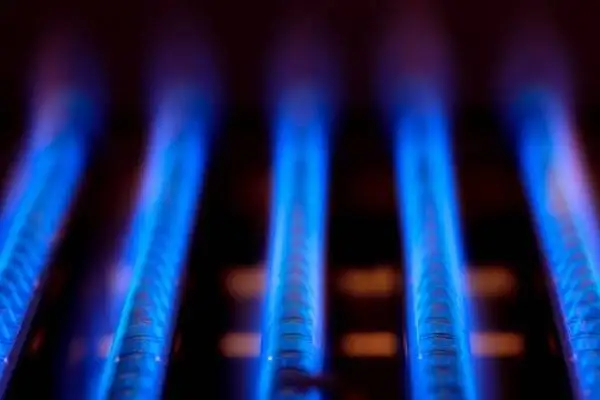
    The furnace is what creates the heat that’s then distributed. Without your furnace, your heater would still be moving air around your house, but it wouldn’t be warm air. It is a large box that’s located somewhere in your home and uses either oil or gas combustion to heat the air and water that you enjoy on a daily basis.

    A furnace is part of your heating system, often working alongside both an HVAC and a boiler, and can, in many ways, be considered a heater itself. Simply put, all furnaces may be considered a heater, but not all heaters are furnaces.


    what-is-the-difference-between-a-heater-and-a-furnace-2

    How They Work Together

    Both your HVAC system and your furnace have to work together to produce and distribute warm air throughout your home. The process begins in the furnace, which begins heating cool air pulled into it by a fan. The manner of heating depends entirely on the type of furnace you have.

    The vast majority of modern homes contain forced-air heating systems, which use a fan and a series of ducts to retrieve cool air, push it through the furnace’s filter, into the blower to be heated, and then back through the ducts to reach vents throughout the house.

    The furnace, when turned on, begins to consume the fuel that powers it in order to heat the air. However, it is not responsible for moving the air throughout the house, just heating it. The heat pump itself is the “heater” part of the equation. Its main job is to move that hot air from the furnace to the rest of the house, where it can be enjoyed in

    every room with a vent. Without your heating system – a huge part of your HVAC system – circulation would not be possible in many modern constructions with forced-air systems.


    Why Does It Matter?

    Establishing the difference between these two systems in your home is the first step to ensuring that your system is healthy and able to perform the job it’s meant for. You’ll know to invest in the proper furnace and heater maintenance rather than just one or the other and can better keep an eye out for potential difficulties in both systems.

    In short, it’s an excellent basis for understanding some of the common problems your furnace and heater might face, and which one to order maintenance or repairs on when you’re encountering those difficulties.

    For example, if you notice that air is coming through your vents, but it’s not particularly warm, this is likely a problem with your furnace, not your heater. The heating system is continuing to distribute air throughout the house, but the furnace isn’t warming it beforehand. Alternately, if your vents aren’t producing air, it’s more likely a problem with your heating system, and you can contact a professional repair team accordingly.


    Maintenance Differences

    Another big difference between these two appliances is how they’re maintained throughout the year. Maintenance is imperative to the safe and effective operations of both heaters and furnaces of all types.

    Taking care of both systems and seeing to their individual needs is a step every homeowner should take throughout every season in order to prevent a range of potentially hazardous problems. Of course, each of these systems is different and will require different steps.

    Heater maintenance is fairly straightforward. Generally, you’ll need to:

    • Change out your air filters regularly – every three months, at least
    • Keep the area around your system free and clear of dirt and debris
    • Clean your evaporator and condenser coils
    • Clean vents and ensure they’re unobstructed

    Furnaces require a little TLC to keep them running correctly, too, especially since they use gas or oil to get the job done. Some tasks you should perform to keep your furnace in good running order are:

    • Change your air filter
    • Clean the combustion chamber
    • Check pipes for leaks
    • Adjust and test the burner

    Central heating malfunctions that occur due to improper maintenance and cleaning are responsible for as many as 12% of house fires each year.

    Performing the right steps to maintain and clean your systems ensures you’re not accumulating flammable grime in your vents, encountering gas leaks, or inadvertently contributing to a higher risk of a house fire occurring in your home. Caring for your heater and furnace properly is imperative to staying safe while keeping warm during the winter months.

    While you can handle a handful of maintenance tasks on your own, it’s always worth your while to schedule an annual inspection with professionals throughout the year, especially before you kick on your heater for the winter.

    The pros have the training needed to spot discrete issues that you might otherwise miss, and the skills and tools to perform repairs quickly and correctly. It’s a small annual investment that repays you with a smooth-running heater, a clean furnace, and peace of mind.


    Tune Up for Smoother Results

    Just like both heaters and furnaces require maintenance, both of these crucial parts of your HVAC system can benefit from a regular tune-up as well. Performing a furnace tune-up can be as simple as oiling up a few parts and ensuring fuel is running smoothly or as complex as replacing entire parts for newer, more efficient versions.

    The same can be said for your heater. Making these changes can seem pricey, but running regular tune-ups also ensures you’re keeping your system as efficient as possible, which in turn makes the upgrades pay for themselves in terms of monthly energy expenses.


    Learn More

    Learn more about the differences that distinguish a furnace from a heater and how to maintain and care for both by contacting the professionals at Howard Air & Plumbing. In business since 1977, Howard Air & Plumbing has the know-how and experience needed to ensure your system is on track in every way.

    These professionals have distinguished themselves over the years by providing customers with superior customer care and services and received an A+ rating and Torch Award from the Better Business Bureau in 2017. Schedule an inspection or consultation today to get the best results you can possibly find.

    Image Credit: Shutterstock/goffkein.pro Shutterstock/Dmitry Naumov

    Main Contact Form

    "*" indicates required fields

    This field is for validation purposes and should be left unchanged.

  • Signs your AC is Low on Freon

    Signs your AC is Low on Freon

    One of the most important parts of your air conditioning unit is its refrigerant lines. The refrigerant lines connect the outdoor unit to the evaporator coil, which pumps refrigerant past a blower fan and through your home’s vents. This process produces the wonderfully cooled air that alleviates the discomfort of stuffy summer days, but what happens when your unit is running low on refrigerant? Many air conditioners use freon as a refrigerant because it is non-combustible and generally safe. Freon doesn’t require replacement when the unit is functioning properly, but mechanical issues and leaks can cause it to run low. Read on to learn how to tell if freon is low — and how you can replenish it.

    It Takes Much Longer Than It Should to Cool Off Your Home

    Most modern air conditioners are designed to cool a single room within the span of its 15 to 20 minute cycle. The same unit should be able to cool an entire four-bedroom house by ten degrees Fahrenheit within three hours. There are many factors that impact these numbers, though, including the age, condition, and energy efficiency of your unit. Still, one of the most common symptoms of low freon in central air conditioners is a longer-than-usual cooling time. If you notice that your unit is taking a particularly long time to cool down your home, this is one of the telltale signs that your freon may need to be replenished.

    Your Utility Bills Are Higher Than Usual

    Yet another one of the most common symptoms of low freon is a sudden increase in the sum of your utility bills. Have you noticed that your electric bill has suddenly spiked? Is it considerably higher than it was the same time a year ago? If so, these are indicators of too-low freon levels. When your air conditioner unit runs low on freon, it is forced to work much harder to cool your home, and its cycles will last much longer, too. Both of these factors will increase the level of power that your unit uses, which in turn will massively increase the energy bill you see.

    Other Issues That Can Cause Increased Energy Bills

    Low freon isn’t the only issue that may cause your energy bills to spike, though. There are plenty of potential explanations for this problem that point to other problems with your air conditioner:

    • Your unit is aging and losing energy efficiency
    • Your air conditioner is either too big or too small for your home
    • Your air filters are dirty and need to be replaced

    If you’re dealing with increased energy bills, but you aren’t sure what’s to blame, you can get answers from a qualified HVAC repair professional.

    The Air Coming Out of Your Vents Isn’t Cold

    On hot summer days when you crave cool air, anything less can seem like torture. It’s not uncommon, though, for vents to blow out air that isn’t cold if the unit is running low on freon. This is one of the most troublesome symptoms of low freon in central air conditioners. If you notice that your vents are expelling lukewarm or hot air, you should first use a thermometer to measure the exact temperature of the air. If it is indeed warmer than it should be, you need to enlist help from an HVAC professional to determine whether this is one of the symptoms of low freon.

    Ice Has Started to Build Up on Your Refrigerant Line

    Sometimes, symptoms of low freon can be visually identified. This is the case with ice buildup that may appear on your refrigerant lines. If you do indeed see ice accumulating on your unit’s copper lines, this is typically an indication that freon is low or entirely depleted.

    Other Issues That Can Cause Ice/Frost to Build

    The appearance of ice on your unit’s refrigerant line is one of the most common symptoms of low freon in central air conditioners, but there are other issues that may be to blame, too. Some of these problems include the following:

    • Your air filters are dirty and preventing adequate airflow
    • Closed vents in your home impede airflow throughout your unit

    Luckily, both of these problems can easily be remedied, so if you notice iced-over refrigerator lines, be sure to replace air filters and open vents first.

    You Hear Loud or Unusual Noises Coming From Your Unit

    Freon doesn’t need to be replaced like other solutions would. Gas will eventually evaporate and run low through continual use, but because freon is a liquid when cooled, it can only be depleted when there is a leak. In addition to all of the aforementioned symptoms of low freon, there are sometimes audible symptoms of low freon in central air conditioners. This can appear in the form of loud or unusual noises that come from your air conditioner unit. These noises may be the sound of freon leaking out of your unit.

    Hissing or Bubbling Noise  

    Freon leaks can be caused by many different problems. One of the most common causes is the erosion of your unit’s metal components. This can lead to small holes that allow freon to escape. Broken valves and faulty welding are other common causes. When freon leaks out of your unit, it often makes a loud, noticeable noise that may sound like hissing or bubbling. If the noise more closely resembled a hissing sound, this indicates that the freon is leaking while in a gas form. Conversely, if the sound is more of a bubbling noise, this indicates that the freon is leaking while in liquid form.

    Replenish Your HVAC Unit’s Freon

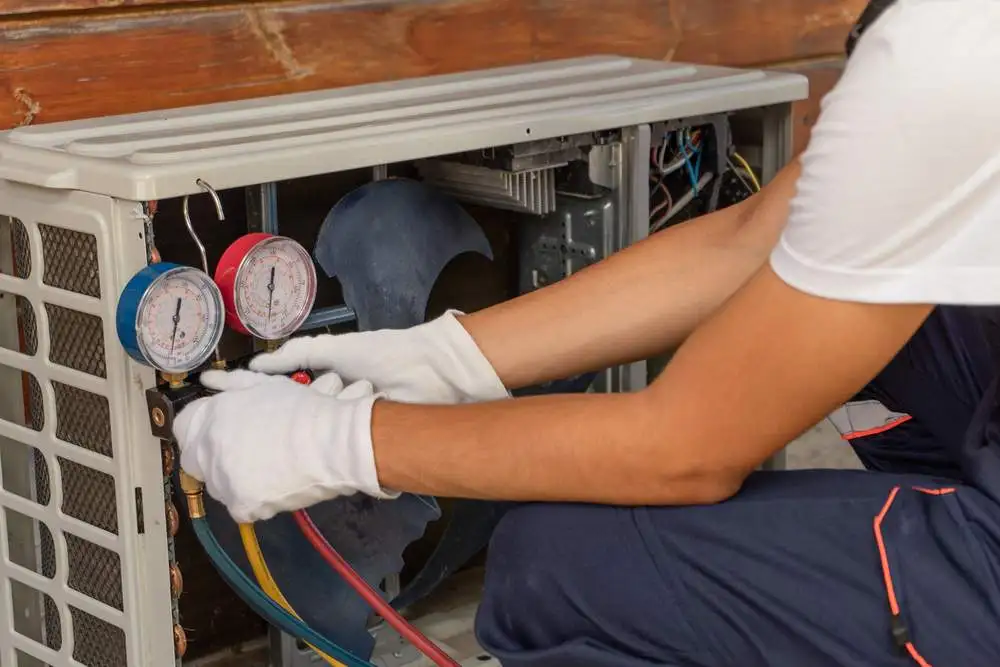
    If you’ve noticed any one of these problems — or a combination of several symptoms — it’s likely time to enlist help from an HVAC professional. Howard Air & Plumbing serves clients throughout the greater Phoenix valley area. We can help you find the solution to whatever issue your unit may be facing — including freon leaks and many other common problems. For more information, call us at (480) 648-0055 or reach out to us online.

    Image credit: Stock-Photo, Shutterstock

  • Types of Air Conditioners For Homes You Should Know About

    Types of Air Conditioners For Homes You Should Know About

    In Phoenix and most parts of the US, the benefits of air conditioners make AC units for homes a must-have. Air conditioners help you control temperature, quality of air, and humidity in your home. However, there are various types of air conditioners on the market. In a market full of different air conditioners, selecting the best home AC can be overwhelming as you may not know whether to install a central, window, or mini-split air conditioner. But don’t worry, Howard Air & Plumbing is here to help you select the right home AC or repair a faulty air conditioner.

    Let’s look at the types of air conditioners you should be aware of when shopping for a new unit.


    Types Of Central Air Conditioners

    A central air conditioner has a large outdoor unit placed on concrete slabs. There are two types of central air conditioners:

    • Packaged Central Air Conditioners
    • Split-System Central Air Conditioners

    The main difference between the two air conditioners is the outdoor units. Howard Air & Plumbing helps you choose the right one depending on the prevailing climate in your local area.


    Packaged Central Air Conditioners

    The Packaged Central Air Conditioners has a single outdoor unit that house the compressor, condenser, and evaporator. When you buy a Packaged Central Air Conditioner, we install it on a slab next to your home’s foundation and connect the interior.


    Split-System Central Air Conditioners

    Unlike Packaged Central Air Conditioners, the evaporator unit in the Split-System Central Air Conditioner is installed inside your house. The compressor and condenser are housed in the outdoor unit. If you require a furnace, it is installed together with the evaporator inside the house.


    Benefits of Central Air Conditioners

    Central air conditioners offer a range of benefits to your home. The benefits include;

    • You Only Need One Unit: A single central air conditioner cools the entire house. You do not need to install a conditioner for each room, which helps you save space. Besides, you only maintain a single unit rather than multiple window units.
    • Controls Humidity: When installed and maintained correctly, central air conditioners also control humidity. A central air conditioner considerably reduces energy consumption as you do not need to install a humidifier.
    • Improves the Value of Your Home: Installing a central air conditioner attracts buyers since many do not like the inconveniences of fixing one before they settle. The value of your property appreciates when more home buyers want it.


    What To Know Before Installing A Central Air Conditioner

    Like any other major appliance, you need to understand a few things before settling for the Central AC units for homes. Understanding the downsides and benefits of a Central AC for your home can help you weigh your options and select the best air conditioner.

    The main downside of the central AC is the cost. The cost of installing a central AC ranges between $3,801 – $7,595, depending on the size and installation company.

    You should also understand the right AC size for your home and assess your home air conditioning needs before the installation. This assessment helps you avoid installing an AC that is too big or too small for your home. If you live in the Phoenix area, you can schedule an appointment with our technicians.  

    Further, you also need to understand that fixing central AC is a major home uplift. If you are a tenant, you may require your landlord’s approval.


    Mini-Split/Ductless Air Conditioners

    A mini-split or ductless AC offers relief to homeowners that have no ductwork. The mini-split AC comes with a single outdoor unit that feeds different evaporators in the interior.     


    Benefits Of Mini-Split Air Conditioners

    • Flexibility: the mini-split AC allows you to install up to four evaporators in different rooms. Different evaporators make it possible to set a different temperature in each room.
    • Lowers your energy bills: since you do not need ductwork, mini-split AC helps you cut your energy consumption.


    What To Know Before Installing A Ductless Air Conditioner

    Ductless air conditioners are considered easy to install. However, their overall cost of installation and maintenance may exceed the central AC. The average cost of installing a mini-split AC ranges between $2,000-$14,500. Installing an evaporator for each room makes it even more expensive.


    Heat Pumps

    Heat pumps and air conditioners have some notable similarities. They come in two parts and  have outdoor and indoor components. However, the primary difference is that a heat pump can heat your home as well as cool it.


    Benefits of Heat Pumps

    Ideal for Moderate Climates: heat pumps provide sufficient cooling and heating in areas with a moderate climate. People who live in areas where the climate does not vary widely can alternate between cooling and heating their homes using heat pumps. However, a heat pump may not work for you if you live in a place like Phoenix, which experiences extreme temperature changes throughout its seasons. 


    What to Know Before Installing a Heat Pump

    Even when you live in an area that has a moderate climate, there are a few things that you need to know before choosing the heat pump over home AC units:

    1. Heat pumps are more expensive to purchase and maintain when compared to air conditioners.
    2. Heat pumps lose their heating efficiency when temperatures fall below 40 degrees Fahrenheit.
    3. Heat pumps have shorter lifespans as they run all year round.


    How to Choose the Right Type of AC System 

    Now that we have reviewed the different types of air conditioners, let’s examine what you need to consider when purchasing AC units for homes.  


    Budget

    When selecting the best air conditioning system that fits your budget, you need to consider the purchase and maintenance costs. While the purchase cost for some air conditioners is low, the maintenance cost may be higher due to their lack of quality and efficiency.    


    The Size of Your Home

    Home air conditioners differ in home-cooling capacity. The most common and effective types of systems are central split and central packaged systems.  When selecting AC systems for homes, consider the size of your home in square feet. Experts recommend 20 BTUs per square foot that require cooling. Before deciding on the type and size of the system for your home, consult with a licensed contractor to properly size and estimate the scope of work needed. 


    Ductless Mini-Split Systems

    Ductless air conditioning systems are rising in popularity, efficiency, and quality in recent years. Ductless systems are most common for cooling smaller areas like a garage workshop, home office, or gym. Ductless mini split systems typically operate with a smaller outside condenser, connected to a wall or ceiling-mounted air handler, and can efficiently cool up to 1,000 sq. ft. with a single air handler, depending on the size and design.

    With no ductwork needed, this will save you space, time, and money. The condenser is installed on a concrete slab outside of the home and is connected to the inside portion of the system with electrical and cool moving refrigerant through line sets. 

    Another benefit to having a ductless mini-split system is the multiport capability that allows the system to have multiple air handlers to cool more rooms or areas in the home. The more space you are cooling, the larger the outdoor condenser you will need, this will raise the overall price of the project.


    Window Air Conditioners

    Many homes in the Phoenix area use the window air conditioner. Here are some benefits that make the window air conditioner a preferred AC.


    Benefits Of Window Air Conditioners

    • Affordability: the cost of a window air conditioner can go as low as $150.
    • Easy to clean: you can easily remove the different parts, clean them, and replace them.
    • Energy efficiency: the window air conditioners are small in size and use less energy when compared to the central AC.


    What To Know Before Installing A Window Air Conditioner

    The window air conditioner may not function efficiently in larger homes. If you have bigger rooms or increase the number of your rooms, you may have to add more window air conditioners. Eventually, it may not make economic sense to have window air conditioners.

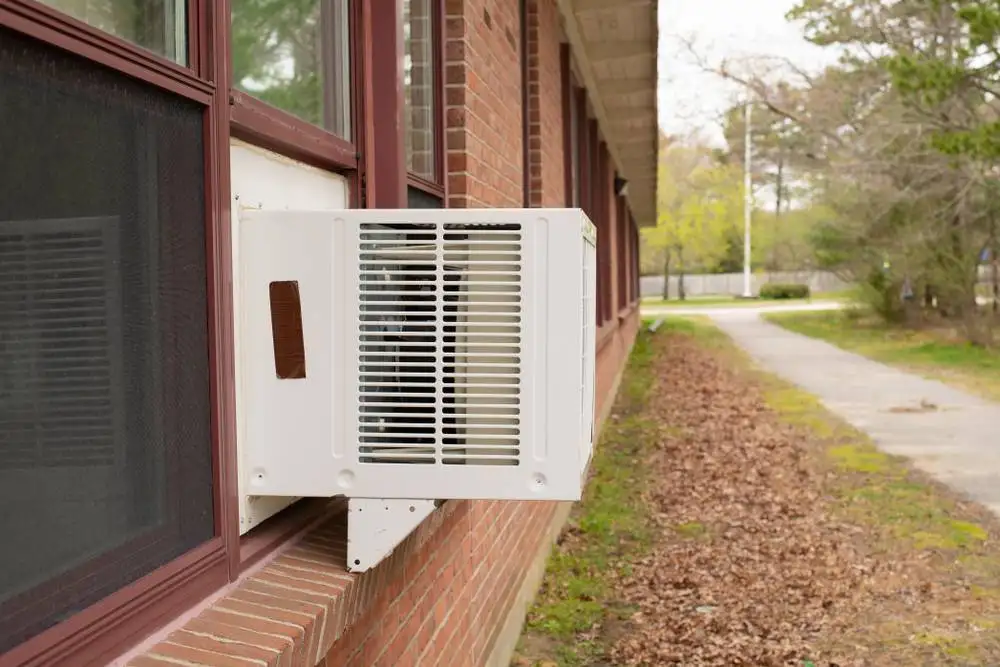
    The extreme summer temperatures in Phoenix make AC systems for homes essential equipment for homeowners. When you install the right air conditioning system, you drastically improve the quality of life for those living in your home.

    Choosing the best AC system can be a daunting task. We will look at heat pumps, ductless mini-split systems, and portable air conditioners in this post to better explain how each work and help you make sense of which one will be right for you and your home. 


    Learn More About the Best Air Conditioners for Your Arizona Home

    There are several air conditioners available on the market. Each air conditioner has its benefits and downsides. When looking for ac units for homes, you should understand the pros and cons, but your air conditioner installer should help you select the best option for your home AC. Depending on your air conditioning needs, budget, and home size, you can install a central, mini-split, or window air conditioner.

    At Howard Air & Plumbing, we understand that each homeowner or tenant has unique needs for ac units for homes. Our years of experience in air conditioner installation have helped us appreciate that not all clients require a central or a window AC. We recommend that our clients schedule appointments with our technicians before settling on a specific AC. To get the right air conditioner for your home or have an existing one repaired, schedule an appointment today or call 480-508-9866.

    Schedule Appointment

    "*" indicates required fields

    This field is for validation purposes and should be left unchanged.

    When?

    MM slash DD slash YYYY
    MM slash DD slash YYYY
    MM slash DD slash YYYY

    Featured Image: Liz Tracy Photography / Shutterstock

  • What is the Best Air Conditioner for Arizona?

    What is the Best Air Conditioner for Arizona?

    Whether you’re an Arizona native or you’re just moving to the sunny state for the first time to broaden your horizons, there’s a truth that’s simply unavoidable: Arizona is hot. In fact, it’s blistering, one of the very hottest states in all of the U.S., with temperatures ranging up to a sweltering 110 degrees Fahrenheit at the height of summer. Needless to say, this can be a bit uncomfortable for residents like yourself.

    That is unless you have the right A/C unit working for you and your home. While it seems completely obvious to anyone that an air conditioner is highly necessary for any home in AZ, what most don’t realize is that you need to be selective about the A/C you choose if you really want to get good results.

    If you begin looking for a new air conditioning system for your home anytime soon, don’t settle for anything less than the best. Luckily, there are a few qualities you can look for that will denote the best of the best when it comes to good, powerful A/C units for homes located in this sunny southwest corner of the country.


    An Air Conditioner Suited for Your Home’s Size

    If you’re looking for the ultimate cooling experience, it might seem like bigger would be better in every case. After all, a bigger system means more cooling, right? Unfortunately, no. Having an A/C system that’s too large for the home you’re cooling leads to a number of issues and can be just as problematic as having a system that was far too small. That’s why finding the perfect unit size for your home is the first step toward finding the best home air conditioner for your Arizona home.

    Fortunately, finding the right fit is easy when you know the correct steps to take. Some of these you can do on your own, and include:

    • Measuring the square footage of every room you’re looking to cool
    • Do some research on the energy needs of your home, considering materials and square footage along the way
    • Take a look at how much cooling power your home will need in specific BTU measurements

    Alternatively, working with installation professionals is the absolute best way to ensure you’re getting the perfect fit for your home’s cooling needs. It’s a less hands-on approach but offers more reliable results by far when you work with the right team.


    Heed Professional Standards

    If there’s one thing you can depend on throughout the selection process, it’s that the pros know what they’re doing. After all, they’ve trained for months on end to gain the expertise they bring to the field and have months or even years of on-the-job experience, so why not make use of the information they provide publicly?

    Referencing industry standards from the Air Conditioning Contractors of America (ACCA) can help you narrow down the options for your new home cooling unit quickly and ensure you end up with the right product in your hands at the end of the day.


    Get the Right Air Compressor

    The standards from the ACCA have a great deal to say about choosing the right unit, but one of the main points is the type of compressor the setup uses in order to get the job done. The compressor is an integral part that converts the power your unit receives into the energy used to cool your home’s interior. There are three main options to choose from when selecting a new unit, including a variable speed compressor, a two-speed compressor, and a single-speed compressor.

    The best option of these three for tackling the Arizona heat is by far the variable speed compressor. This compressor is useful for climates with extremes because it can directly control the RPMs at which the A/C is operating, delivering to you as much cool air as you need when necessary and slowing things down to preserve efficiency when you don’t.

    This ensures peak efficiency during all seasons without sacrificing an ounce of comfort. If the up-front price tag is too much for you, though, the next best option would be a unit with a two-speed compressor, while the single-speed compressor should be considered as a last resort.


    Go for the High-End Model

    It’s always great to save some cash where you can, but fighting the serious Arizona heat isn’t the right time to pinch pennies. If you want the best, then you need to be willing to pay for the best. High-end modern models are packed with useful features that you’ll need in the height of summer, such as:

    • Thermostats that quickly and easily communicate with one another
    • Zoning capabilities
    • Indoor blower fan motor that works at variable speeds

    Each of these features may cost you more up-front, but they’re integral to ensuring you’re getting the ultimate performance out of your unit in even the highest temperatures. Additionally, they make the unit more efficient than cheaper models by far. The monthly savings you’ll receive will eventually pay for the higher up-front cost of the purchase and installation.


    Find the Right Balance

    The best air conditioner for Arizona is one that strikes a perfect balance between power and efficiency. Sure, any big, high-end A/C unit can cool your house, but if it doesn’t have a decent measure of efficiency as well, you’re going to feel the strain on your wallet.

    Likewise, a unit that’s efficient but not powerful enough will have you paying out for cooling you can barely even feel.  Therefore, don’t pay attention to which brand you’re buying, but rather the Seasonal Energy Efficiency Rating (SEER) of each one.

    The SEER2 rating measures how well a unit handles the extremes of each season. The higher the score is, the better you can expect your unit to perform. Ideally, you should aim to install an air conditioner with a rating of at least 20 in your Arizona home.


    Some Excellent Options

    When considering all of the above criteria at once, there are a number of potential options that stand out among the rest. These have a high SEER2 score, adhere to ACCA suggestions and standards, and implement top-of-the-line technology to get the job done. They include:

    • Lennox Signature Series XC25
    • Lennox Signature Series C21
    • Coleman AC21B
    • Amana AVXC20
    • Carrier Infinity 21 24ANB1

    These, among others, have both the power and efficiency to keep your home utterly cool in the mid-summer months in Arizona without destroying your monthly budget. These are, of course, just a few options out there.

    To discover other models that might offer your home perfect airflow throughout every season, work closely with a team of professionals. They can give specific recommendations for both your home and your budget that gets you the best of both worlds.


    Get Your Unit Running Smoothly

    Whether you’re getting an old A/C back in order or looking for a new installation altogether, you need to get the process started if you want everything in order by the time the heat returns in spring.

    After all, the last thing you want is to be stuck in the sweltering heat without the right A/C unit to keep your home comfortable and under control. Contact Howard Air & Plumbing for a tune-up before spring rolls around or to find the perfect unit for your home in Arizona.

    Image Credit: Shutterstock By Ozgur Coskun

  • Why Is My Outdoor AC Fan Not Spinning?

    Why Is My Outdoor AC Fan Not Spinning?

    Summer heat and high temperatures can be extreme in Phoenix. You need a good air conditioner for comfort and relaxation indoors when it is too hot to be outside. Unfortunately, air conditioners can break down unpredictably, creating significant discomfort in your home.

    Having a malfunctioning AC is stressful, as it causes moisture to build up in your home. Some of the reasons that can cause your air conditioner to malfunction include:

    An AC Condenser Fan May Be Not Spinning

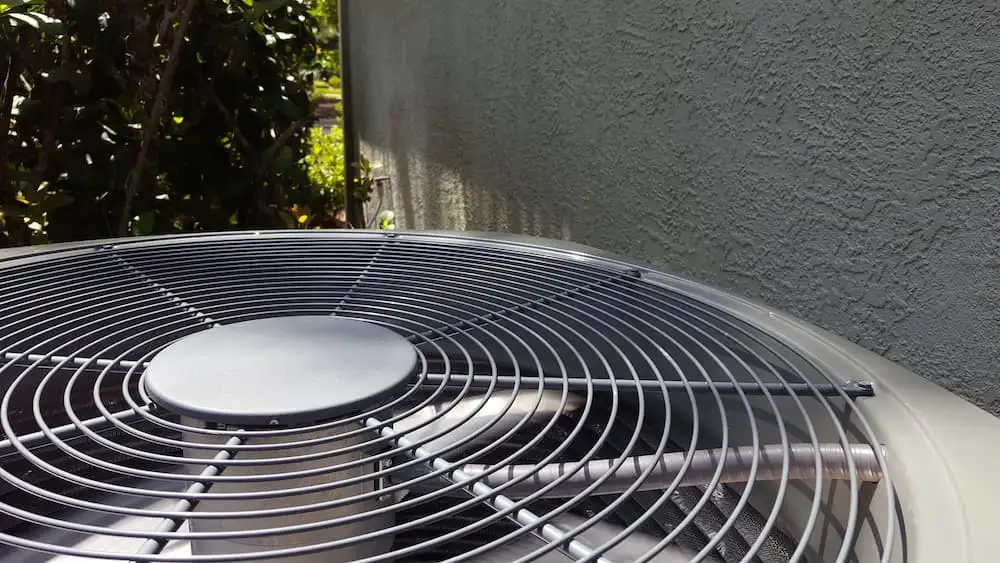
    An outdoor air conditioner has two fans: one inside and the other outside the AC unit. The outside AC unit may not function effectively if one of the fans is compromised. You can identify if the blades in your AC unit are spinning by listening for a humming sound. Your AC condenser fan may not turn due to power issues, a burnt-out motor, a worn-out capacitor, or a faulty compressor contactor.

    An AC Compressor Might Be Working, but The AC Fan Is Not Spinning

    When an air conditioner compressor works but the air conditioner fan is not spinning means the motor and capacitor or one of them has malfunctioned. When a capacitor is not functioning correctly, it will not provide electricity to the fan motor. An incorrectly functioning capacitor causes the AC fan not to spin. The outdoor AC unit motor will not turn the blades, hindering the air movement in the house.

    Letting the AC system run in that state can cause overheating, destroying the compressor. Ensure the AC system is turned off until an AC technician checks it. 

    The AC Compressor and AC Fan May Not Be Working

    The compressor’s lack of a humming sound and the fan not turning implies that power is not getting to the AC unit. In such an instance, check the circuit breaker for tripping. Use the thermostat to turn off the AC and reset the circuit breaker if it has tripped. Next, turn on the AC unit at the thermostat to check if the problem is fixed. If this tip fails, then the problem might be the compressor contactor. 

    Why My Air Conditioner’s Fan Might Stop Running

    There are many possible causes why your air conditioner’s fan might stop running. The most common reasons include:

    • Issues with the capacitor 
    • Faulty belt
    • Blocked air filter
    • Power issues
    • Burnt out motor

    A capacitor is a small cylindrical device that provides energy to the AC unit’s motor. Air conditioning systems have several capacitors responsible for starting up the AC unit and providing power to keep the unit running. You know your capacitor is dead or bad if your outside air conditioner: has trouble turning on, shuts down on its own, and does not blow cold air. In addition, capacitors can wear out over time and need to be replaced.

    • Broken motor

    Fan motors tend to break down if you overload them or fail to give them proper maintenance. A broken motor makes the air conditioner’s fan stop running and should be replaced immediately since it affects the whole AC system’s performance.

    • Blocked air filter 

    A blocked or clogged air filter restricts airflow in the air conditioner’s system leading to ice build-up around the evaporator coil. This ice build-up on the coil causes the fan not to work.

    • Issues with the contactor

    A contactor with issues inhibits your system’s electrical flow, making the AC components malfunction due to lack of electricity. In addition, contactors develop issues because of system overheating and normal wear and tear. Therefore, always ensure proper maintenance of your contactor to ensure your air conditioner has a healthy working condition.

    Welcoming Summer with Your Home’s AC in Arizona

    Broken ACs should not drive you into panic mode and hinder you from enjoying summer in the comfort of your home. You can trust Howard Air Conditioning to diagnose and resolve any air conditioning problem. Contact us by calling, in-person visits, or text messages for booking and inquiries.

    Featured Image: J.D.S / Shutterstock

  • What Is Auxiliary Heat?

    What Is Auxiliary Heat?

    You may think your heater does all the work of keeping your home at the temperature you want it on its own, but it frequently gets extra help from auxiliary heat. This extra help gives your heater an extra boost when outside circumstances prevent its power from being enough to heat your home efficiently. 

    What Is Auxiliary Heat and What Does It Mean for Your Heater? 

    Most heaters typically work by pulling heat that already exists out of the air to repurpose, but this process is not always possible. If the air is too cold for your heater to heat your home effectively, or if there is ice on your heater, your auxiliary heat may turn on to produce enough extra heat to reasonably fill your home. This “emergency” heating system should only be active when absolutely necessary because overuse is inefficient and can cause excessive wear on your heating system. 

    Heat Pump Cannot Produce Enough Heat 

    Outdoor temperatures that fall below freezing frequently make it too difficult for your heat pump to produce the amount of heat it needs to bring your home to the temperature you want. When this occurs, your auxiliary heat provides the extra help your heat pump needs to raise your room temperature to your specification. 

    Your System Is in “Defrost Mode” 

    Your system’s defrost mode is used to melt away ice that has formed on the outside of your heater, restricting it from getting enough heat even if the outside air might otherwise be warm enough. Your heater can typically sense when defrost mode needs to kick in to get rid of ice or frost, automatically turning on your auxiliary heat. Although defrost mode, and your auxiliary heat should automatically turn off once it is not needed, it can also get stuck on this setting and need to be manually adjusted. 

    When is it Normal for the AUX Heat to Turn On? 

    Your AUX heat may require your attention if it cannot turn itself off when it should, resulting in getting stuck, but several circumstances exist when using it is normal. 

    Quickly Increasing the Thermostat

    Increasing your thermostat by three or more degrees will frequently turn your AUX heat on because it cannot heat itself that much that quickly. Once the room temperature reaches what you set it at, the AUX heat should turn off and allow the heater to work normally. 

    Very Cold Temperatures

    Temperatures below approximately 35 degrees Fahrenheit and especially below freezing make it normal for your AUX heat to turn on because your heater cannot make a drastic change on its own. Your AUX heat may cycle on and off or simply stay on if temperatures are below freezing for a prolonged period, but it should turn itself off once they rise to temperatures it can work with more easily. 

    Heat Pump Is Defrosting

    It is normal for your AUX heat to turn on when your heat pump is in defrost mode. Again, it should turn off on its own once this setting is no longer needed. 

    Emergency Heat Setting Is Engaged

    Any unusual circumstances that turn on your heater’s emergency heat setting are also normal and acceptable reasons for your AUX heat to turn on temporarily. 

    Tips for Avoiding AUX Heat Issues 

    Although your AUX heat can be helpful when needed, it can cause your heater to wear out faster than it should if it stays on when it is not needed. Keeping your ducts, heat vents, and the area around your heater clean, replacing the heat pump filter at least every two months, and keeping the rest of your heater well maintained can go a long way toward keeping your AUX heat working properly and avoiding issues. It is also essential to ensure that your emergency heat setting is only used during actual emergencies rather than as a normal heat setting. Its design is not to run consistently or frequently.  

    Prepare Your Arizona Home’s AC for Summer 

    At Howard Air & Plumbing, we prioritize helping our customers heat and cool their homes as efficiently as possible, which means understanding what might cause your heater to utilize too much auxiliary heat and what you can do to fix it. Contact us today to learn more about getting the most out of your heating and cooling solutions at any time of year!

    Featured Image: Lacheev/iStock/Getty Images Plus

  • Thermostat Not Reaching Set Temperature? Try These Tips!

    Thermostat Not Reaching Set Temperature? Try These Tips!

    Your thermostat serves as the control center of your HVAC system; so, when it malfunctions, keeping your home comfortable can quickly become impossible. And when a problem occurs during the height of an Arizona summer, it’s not just unpleasant; it can be downright dangerous.

    Even though a thermostat is relatively small in size, it plays a big part in keeping you warm during the winter and comfortably cool during summer. But like any piece of equipment, your thermostat can run into unexpected issues. Luckily, there are plenty of tips for troubleshooting thermostat problems that can help you pinpoint what might be going on – and how to know when it’s time to contact an HVAC repair team.

    If you’re having problems with your thermostat not reaching set temperature, there are many different factors that could be at play. Here’s what you need to know to deal with a troublesome thermostat as quickly and effectively as possible.

    Why Isn’t My Thermostat Reaching the Set Temperature?

    First, let’s quickly cover some of the most common reasons why a thermostat isn’t reaching the set temperature.

    Initially, you might not even realize the thermostat problem. In fact, you might just notice that you’re always feeling too hot or too cold in your home. Many of our HVAC customers simply assume that they’re overthinking the issue – that is until they realize that their thermostat is to blame.

    Some of the most common thermostat issues include:

    • The thermostat is broken, not properly level, or dusty
    • The thermostat needs to be recalibrated
    • There is loose wiring causing a thermostat issue
    • The thermostat is not in an ideal location in your home
    • Your HVAC system isn’t large enough to serve your home effectively
    • Your furnace or A/C is having problems
    • There are airflow issues due to dirty vents or ducts

    Let’s take a closer look at each of these potential causes of thermostat problems, and what our team can do to help you tackle them.

    The thermostat is broken, not properly level, or dusty.

    When your AC or furnace won’t reach set temperature selections made on your thermostat, it could be the thermostat itself creating a problem.

    Here’s how:

    • A dusty thermostat is more than just a quick chore to put on your list, it could be why you’re experiencing temperature problems inside your home. Because thermostats are extremely sensitive, and can easily be damaged, it is often best to have a professional manage the task. Our technicians can carefully clean off your thermostat without affecting the overall integrity of the equipment in any way.
    • If your thermostat is not level, it can prevent the device from obtaining a correct temperature reading. This means that even if it’s 80 degrees in your home, your thermostat might be erroneously reading the temperature at 70 degrees – which could be why you have an AC not reaching the set temperature. Correct thermostat installation is essential for the functionality of the pin connection between the backplate and thermostat. We can dismantle your thermostat and reinstall it safely, remedying the issue.
    • You may also have a thermostat with a broken part, in which case, replacement is generally the best bet. Trying to figure out how to repair a broken thermostat isn’t very cost-effective, and depending on the issue, could be pretty complicated. Instead, it’s usually ideal to have our team install a new thermostat. We can help you choose one that suits your budget, preferences, and needs.

    The thermostat needs to be recalibrated.

    Sometimes, your furnace or AC system won’t hit the thermostat temperature because the thermostat isn’t correctly calibrated. This can be a common issue with new thermostats, and also often occurs after a power outage or when the thermostat’s batteries are running low. Also, older thermostats may need to be regularly recalibrated over time.

    We can test the calibration to determine if a correct can be made, or if a full replacement is necessary.

    There is loose wiring causing a thermostat issue.

    Even a single loose wire can wreak havoc on your thermostat, affecting the display and preventing it from accurately showing or reading your set temperature. The good news is that our HVAC technicians can remedy this issue fairly easily. When we open up your thermostat, we’ll be able to identify whether it’s an issue due to corroded wires, dust build-up, or something else entirely.

    The thermostat is not in an ideal location in your home.

    Is your thermostat installed in a spot that tends to be cooler or warmer than the rest of your home? If so, it’s going to be very challenging from the thermostat to get a temperature reading that’s representative of your home’s overall climate. It will seem like you have a faulty thermostat when really you just have one that’s been poorly placed.

    If you have a thermostat located near a window, exterior door, fireplace, kitchen, space heater, or even a room with multiple lights, you may want to consider relocating it. Ideally, your thermostat should be on an interior (not exterior-facing) wall.

    Your HVAC system isn’t large enough to serve your home effectively.

    The fact of the matter is that not all HVAC systems are created equally, and a small system simply can’t do the work needed to cool or heat a large home. Here in Arizona, HVAC systems have to be able to take on the intense demands of our hundred-degree-plus summers. This means that it’s not uncommon for homeowners to realize that the original system installed by the builder isn’t actually adequate for their property.

    Or, you might end up with this issue if you have recently added on to your home, converted a space or enclosed a sunroom, or created any additional workload for your HVAC system in any way. Depending on your specific situation, one of our experienced technicians may suggest either adding a supplemental heat and cooling source or replacing your HVAC unit altogether.

    Your furnace or A/C is having problems.

    Valley residents are often all too familiar with A/C problems, but a malfunctioning furnace can be an equally-pressing issue. Even if it seems like your thermostat is the culprit, it could actually be the system as a whole that’s facing a problem.

    Our Phoenix A/C repair technicians start with a thermostat evaluation, but we’ll also assess your system as a whole. This means that we’ll spot any faulty part, so you don’t end up having to call us back in another week or two. Also, regular maintenance and tune-ups can be a proactive way to prevent issues, so you can avoid the expense and hassle as much as possible.

    How to Fix a Thermostat That’s Not Reaching Set Temperatures: Contact Howard Air & Plumbing

    At Howard Air & Plumbing, our Phoenix HVAC repair team is experienced in thermostat inspections and diagnoses, with the skill to pinpoint the source of the problem and repair it as needed. In many cases, thermostat issues require only a simple, inexpensive fix. Other times, a thermostat not reaching set temperatures is just a sign of a far more serious problem.

    There’s no reason to spend another minute feeling uncomfortable in your home, whether it’s the middle of another scorching summer in AZ or during one of our pleasantly mild (but nevertheless chilly) winters. Howard Air & Plumbing is one of the leading providers of HVAC repairs in Phoenix, serving the needs of Valley home and business owners alike. Let one of our friendly technicians take a look at your thermostat and inspect your system, so we can make sure that any problems are resolved and you save as much time, hassle, and money as possible.

    When you need thermostat repairs in Phoenix or have any kind of problem with your furnace or AC systems, contact Howard Air & Plumbing to partner with a team you can trust.


    Image Source: Monkey Business Images / Shutterstock

  • Why Is My Outdoor AC Fan Not Spinning?

    Why Is My Outdoor AC Fan Not Spinning?

    Summer heat and high temperatures can be extreme in Phoenix. You need a good air conditioner for comfort and relaxation indoors when it is too hot to be outside. Unfortunately, air conditioners can break down unpredictably, creating significant discomfort in your home.

    Your system is made up of several components, and if one of them malfunctions, your unit won’t work smoothly or efficiently. The AC fan on your outdoor unit is one of the most important components of your HVAC system. When it stops spinning, you need to call a professional immediately to repair your AC and keep your house from getting too hot. Here’s what you need to know about your AC fan and why it sometimes stops spinning.

    How the Outdoor AC Fan Works

    Before you can figure out why your AC fan stopped spinning, you need to understand how the fan works. Your unit actually has two fans; the inside fan is responsible for blowing cool air inside your home, and the outside fan blows over the coils to cool air before it enters your home. Both fans must be working properly for your home to stay at a comfortable temperature. If either one stops spinning, your house won’t get cool.

    Sometimes, your AC fan stops spinning for a simple reason that you can easily fix. However, if none of the following steps cause your fan to start spinning again, you need to call a professional:

    • Change the air filter.
    • Clean any dirt or grime that has built up on your fan blades.
    • Clear away any debris that could affect the way your AC fans spin.

    AC fans stop spinning primarily for two reasons. You probably won’t be able to fix them, but you may be able to explain the issue to your technician so that they can come prepared to fix it.

    Why Your Air Conditioner’s Fan Might Stop Running

    There are many possible causes why your air conditioner’s fan might stop running. The most common reasons include:

    Issues with the capacitor

    A capacitor is a small cylindrical device that provides energy to the AC unit’s motor. Air conditioning systems have several capacitors responsible for starting up the AC unit and providing power to keep the unit running. You know your capacitor is dead or bad if your outside air conditioner: has trouble turning on, shuts down on its own, and does not blow cold air. In addition, capacitors can wear out over time and need to be replaced.

    Broken motor

    Fan motors tend to break down if you overload them or fail to give them proper maintenance. A broken motor makes the air conditioner’s fan stop running and should be replaced immediately since it affects the whole AC system’s performance.

    Blocked air filter

    A blocked or clogged air filter restricts airflow in the air conditioner’s system leading to ice build-up around the evaporator coil. This ice build-up on the coil causes the fan not to work.

    Issues with the contactor

    A contactor with issues inhibits your system’s electrical flow, making the AC components malfunction due to lack of electricity. In addition, contactors develop issues because of system overheating and normal wear and tear. Therefore, always ensure proper maintenance of your contactor to ensure your air conditioner has a healthy working condition.

    Troubleshooting Issues With Outdoor AC Fans

    Having a malfunctioning AC is stressful, as it causes moisture to build up in your home. Some of the reasons that can cause your air conditioner to malfunction include:

    How to Know If the AC Condenser Fan is Not Spinning

    An outdoor air conditioner has two fans: one inside and the other outside the AC unit. The outside AC unit may not function effectively if one of the fans is compromised. You can identify if the blades in your AC unit are spinning by listening for a humming sound. Your AC condenser fan may not turn due to power issues, a burnt-out motor, a worn-out capacitor, or a faulty compressor contactor.

    An AC Compressor Might Be Working, but The AC Fan Is Not Spinning

    You may have a bad capacitor if you hear a hum when your unit is running but can’t see the fan moving. Each fan has a start capacitor that gives the fan blades enough energy to start turning, but because capacitors use a lot of high voltage, they sometimes need to be replaced. When an air conditioner compressor works but the air conditioner fan is not spinning means the motor and capacitor or one of them has malfunctioned. When a capacitor is not functioning correctly, it will not provide electricity to the fan motor. An incorrectly functioning capacitor causes the AC fan not to spin. The outdoor AC unit motor will not turn the blades, hindering the air movement in the house.

    Letting the AC system run in that state can cause overheating, destroying the compressor. Ensure the AC system is turned off until an AC technician checks it. You should never try to check a capacitor yourself because it uses so much electricity and can harm you if you don’t know what you’re doing.

    The AC Compressor and AC Fan May Not Be Working

    If you can’t hear your AC unit running when you turn it on, you may have a bad compressor. The compressor supplies power to the fan and capacitor, so if there is no sound coming from the unit, it probably isn’t getting any power. You can check your breaker to make sure it hasn’t tripped, but if resetting the unit doesn’t fix the problem, you need to call a professional HVAC technician.

    Compressors are designed to last for many years, but they may not have the same lifetime as your unit. You’ll likely have to replace your compressor once or twice before you have to upgrade to a new unit. Remember that a compressor is more likely to malfunction as it gets older, and poor maintenance is a major contributor to a broken compressor. you want to extend the lifetime of your compressor and reduce the risk of needing repairs, regular maintenance is important.

    If possible, the expert technicians at Howard Air & Plumbing will repair your compressor to get our AC fan spinning again. If the component is beyond repair, we can replace it with a new compressor that will get our fans spinning again so that you can be comfortable inside your home.

    Getting Your Outdoor AC Fan Fixed

    Keeping your AC unit in good condition is important for maintaining a comfortable temperature inside your home. If your AC fan isn’t spinning, it’s important to take quick action so that you don’t get overheated at home. Trying to resolve the issue yourself is never a good idea if you don’t have HVAC experience. Howard Air & Plumbing is here to help residents of Phoenix, Arizona, with all of their air conditioning needs.

    Our shop is located on North Cave Creek Road in the heart of Phoenix, so we can respond quickly when your AC fan stops spinning. Our expert technicians have the skills and tools necessary to repair or replace AC fans as necessary. Contact us today to schedule an appointment to have your AC fan looked at.

    Image Source: Rana X / Shutterstock


    Updated Sept 30th, 2024


  • Do Air Conditioners Bring in Fresh Air from Outside?

    Do Air Conditioners Bring in Fresh Air from Outside?

    When it begins to get hot outside, many people turn on their air conditioning unit. This is especially important during the sweltering Phoenix summer months. But do air conditioners actually bring in fresh air from outside? Many people think so, but there is actually no way for an air conditioner to move outside air inside. It’s time to go over the facts.

    Where Does the Air Come From?

    Looking closely at your outdoor air conditioning unit, you will notice copper lines connecting the indoor and outdoor components. These copper lines are charged with either liquid or gaseous refrigerant. The only thing that passes between the indoor and outdoor elements is this coolant; no air is transferred indoors from outside. Air conditioners recirculate the air inside through filtration systems.

    How Your AC Unit Works

    An air conditioner return air inlet is generally located on the ceiling of the interior area of your unit. This return air intake grille usually has a filter to keep dust and debris out while still letting air flow through.

    As air passes through the filter, it quickly passes over coolant-filled supercooled coils. Before the chilled and filtered air is sent back into your home, heat energy is transferred out of the air and into the coils.

    Similarly, air conditioning units draw air in with a fan, removing the heat from the coolant and enabling it to cool before being recycled. The air outside of the air conditioner remains outside but carries heat away from the coils.

    How Air Filters Make the Air Fresh

    Harmful particles can be found in the air outside that can aggravate allergies and trigger asthma attacks. Before the air outside enters your home, it flows through air filters that trap these particles that contain pollutants and irritants. The result is the air in your home is now healthier to breathe in and feels fresher.

    Types of Air Conditioners

    There are six varieties of air conditioners, all serving the same primary function with differing approaches to cooling an area. Here are the different types of air conditioners and how they function.

    • Central air conditioning – These are the most common type of air conditioner unit, essentially integrating all of the essential air conditioner components into a package, mounted near the building’s foundation or on the roof.
    • Window units – These units are mounted in a window frame, usually intended to cool smaller areas rather than a whole building or home. They come with adjustable vents to direct airflow.
    • Portable air conditioning – These are similar to window units but are designed to be placed on the floor and can be moved from room to room, wherever needed.
    • Ductless air conditioning – Designed for use in homes without ducting systems, they are mounted on the walls in multiple areas to promote air circulation.
    • Hybrid air conditioning – This style of air conditioner has the versatility of being plugged into the wall to run on electricity or burn fossil fuels, whichever is most convenient.
    • Geothermal heating and cooling is a relatively new two-in-one method to heat an area by extracting heat from the ground to a loop of pipes containing heat-conducting fluid, transferring the warmth to a heat pump, and distributing it throughout the home through air ducts. Air conditioning is essentially produced by reversing this heat transfer. The heat pump removes heat from the air, transfers it to the ground, and returns cool air to your home.

    The Experts at Howard Air & Plumbing can Answer Your Questions and Calm Your AC Concerns

    Air conditioners do not bring air in from outdoors; it recycles inside air through filtration systems. Howard Air & Plumbing is dedicated to offering proven, science-based indoor air quality solutions for your home or business to provide a safer and healthier indoor environment to beat the Phoenix summer heat.

    Keeping cool requires a well-maintained air conditioning system. The expert technicians of Howard Air & Plumbing are here to address all of your HVAC and air filtration needs.

    Howard Air & Plumbing is the Phoenix-based HVAC expert you need to answer your questions and concerns!

    Image Source: archideaphoto / Shutterstock