Author: admin

  • Air Purification in Your Arizona Home

    Air Purification in Your Arizona Home

    Air Purification in Your Arizona Home

    Maintaining a flow of clean, pure air through your home is imperative to keeping your lungs healthy over the years. While keeping potential allergy triggers under control by cleaning your home is a good start, these measures often don’t take care of some of the invisible threats that make themselves welcome within the walls and vents of your house. Fortunately, upgraded air filters and other home air purifiers are there to pick up the slack. 

    Limiting Pollutants

    Reducing the number of pollutant-causing sources within your home is an excellent first step towards enhancing your home’s air quality. Of course, before you can limit pollutants and remove their sources, you have to know precisely what you’re looking for. The most common pollutants found within modern homes include:

    • Gasses from poorly ventilated appliances that utilize heat
    • Secondhand smoke from tobacco products
    • Debris from building materials (asbestos, paint fumes)
    • Volatile organic compounds (VOCs) from household cleaners, makeup, etc.
    • Mold
    • Radon
    • Pesticides
    • Pet hair 
    • Dust

    There could be dozens of individual sources of air pollution within your home. To reduce the amount of pollution they’re producing within your home, you need to take some essential steps. First, clean your house regularly to reduce dust, pet hair, and pesticides accumulated on surfaces. Keep your home dry to reduce the chances of mold growth. Have your home checked for radon and ensure your heated appliances are appropriately ventilated during use. Try not to smoke indoors and reduce the amount of VOC producing cleaners you use within the house. 

    Ventilation helps to mitigate the damage all of these pollutants could cause. Opening your windows and allowing fresh outside air into your home helps to remove existing contaminants. However, this is mostly practical if you live in an area that doesn’t suffer from high smog levels or other outdoor pollution sources.

    Upgrading Your Air Filter

    Regardless of how hard you try to avoid it, you’ll always produce some form of air pollution within your home. Updating your air filter is a great way to limit your exposure to those pollutants that aren’t easy to remove or reduce and passively clean the air around you while you go about your everyday business. Every HVAC system requires an air filter but, contrary to popular belief, not all air filters are created equally. 

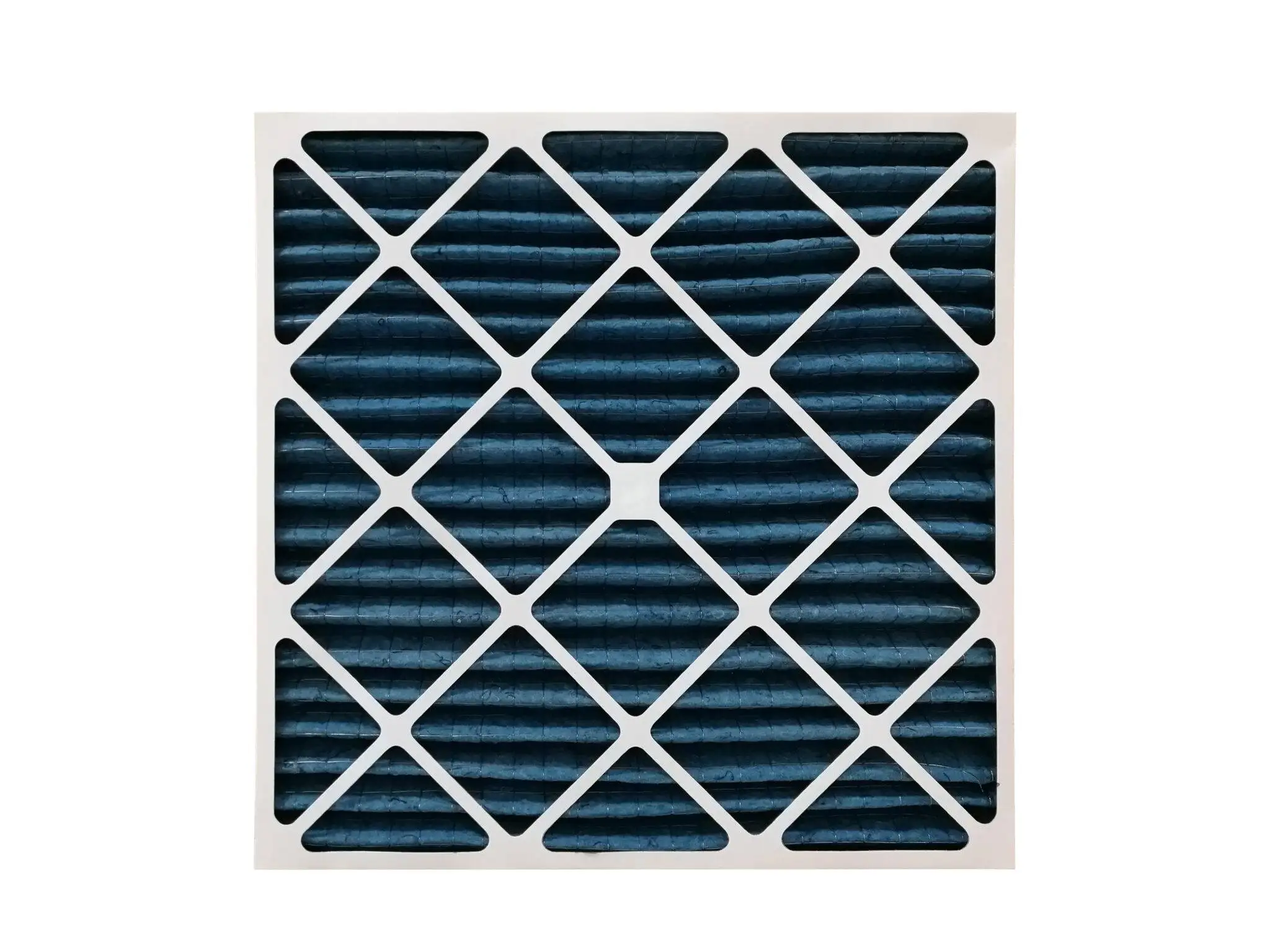
    The key to finding a good air filter for your home lies in the Minimum Efficiency Reporting Value, more commonly known as MERV. MERV scores exist on a scale of 1 to 20, with 20 reporting the most pollutants pulled from the air on each pass through the filter. However, a rating of 20 is well above what is required by most residential homes. Ideally, homes should use a filter with a rating of between 6 and 13. Each rating offers a different level of filtering power:

    • MERV 6 handles lint, dust, and pollen
    • MERV 8 handles previous pollutants plus dust mites and airborne mold spores
    • MERV 11 hands previous pollutants plus pet dander, smog, and smoke
    • MERV 13 handles all previous pollutants plus airborne bacteria and viruses

    You want to keep the air within your home as clean as possible, but springing straight for the filter with the highest rating isn’t always the right move. Suppose you’re thinking of choosing anything over a MERV 11 rating. In that case, you should have an HVAC professional in Phoenix, AZ, check on your current HVAC system’s efficiency and strength before installing to avoid complications. And of course, changing your air filter regularly is the key to helping it do its job correctly.

    Air Duct Cleaning

    Even with proper ventilation and good filtration, your home could still encounter pollutants that have built up within your ductwork over the years. This is an excellent way for those who suffer from allergies to ensure they’re comfortable within their home and is a service that’s offered by most HVAC professionals in Phoenix. There are several clear signs that it’s time for a professional duct cleaning in your home, which include:

    • An unusual amount of dust on surfaces in your home
    • Strange, musty odors
    • Dust or black marks appearing around air supply vents
    • Increased breathing issues

    Ductwork can be tricky to reach and clean properly, which is why it’s always a good idea to trust the job to a team of trained professionals who have the right tools and experience on hand to get the job done right. Professionals take jobs such as these seriously and offer a wide range of services throughout the single process, including:

    • HEPA decontamination
    • Air register/vent scrubbing
    • Airbrush duct cleaning
    • Air handler cabinet vacuuming
    • Evaporator coil cleaning
    • Drain pan cleaning and flushing
    • Duct system disinfection

    Air duct cleaning involves far more work than merely removing dust from inside your vents. To ensure the job gets done thoroughly and that you can breathe easily, schedule a duct cleaning with a reliable team of Phoenix HVAC pros.

    Install an Air Purification System

    Air purification systems are the best, most effective method of cleaning the air in your home and keeping it clean. Installing a simple portable air filter in highly-trafficked portions of your home help to cut down on airborne debris quite a bit, but these filters are by no means your only option. New LED-based systems can now utilize new technology to clean air within your HVAC system before it’s circulated throughout your home.

    Products such as the Reme HALO LED use a unique technology to kill and remove surface and airborne viruses, bacteria, mold, allergens, odors, and other pollutants within your home by up to an astounding 99 percent. HVAC professionals fit the small but powerful device directly into your ductwork, where it then uses a pair of dual ionizers to purify the air as your system moves it through your home. 

    Learn More

    If you’re serious about improving your home’s air quality in Phoenix, then more information is always better. Contact Howard Air & Plumbing to learn more about how you can get your indoor air quality under control to enjoy a comfortable, breathable, healthy home environment for years to come. Our professionals specialize in air purifier installation and duct cleaning covering all of the bases, from busting dust to banishing bacteria and viruses.

    Featured Image: Shutterstock / KPG_Payless

  • Air Conditioner is Turning On & Off Repeatedly

    Air Conditioner is Turning On & Off Repeatedly

    Updated August 20, 2024

    Why Does My Air Conditioner Keep Switching On & Off?

    If your central air conditioning keeps turning on and off sporadically, this is a problem that shouldn’t be ignored. Although it is a common issue known as short cycling, we are nearing the dreaded high-temperature months in Arizona, so it is critical to prepare. Being comfortable during Phoenix’s summer months can be easily achieved with a proper look at your outdoor and indoor air conditioning units. Below are popular causes of why an HVAC unit will turn on and off repeatedly. However, at the end of the day, you’ll want to have an air conditioning repair specialist take a look at your system as a whole.

    Reasons Your AC Unit Might be Switching On & Off Again:

    Let’s review some of the reasons why your central air conditioner turns on and off repeatedly so you or a trained technician can address the issue successfully.

    1. Location of Your Thermostat

    Your thermostat may be located in an impractical spot. Because your thermostat sends “on” and “off” signals to the unit based on the surrounding temperature, you cannot have it located near a supply air vent or warm sunny window. It will cause the unit to turn on and off more frequently because the thermostat will be confused about the actual temperature in your home.

    2. Refrigerant Problems

    The refrigerant, or Freon, levels in your system may be too low. This coolant is crucial for absorbing heat and cooling air, so when there is not enough of it, the compressor pressure levels become unstable, causing it to turn on and off repeatedly. This can cause severe damage to your unit, so if you notice a refrigerant leak, this should be serviced right away.

    3. Cooling System is Too Big

    The AC system in your home may be larger than needed. It seems odd, but if an AC system is too big for a home, it simply cools down the entire house quickly, therefore shutting off shortly after turning on. This may seem like a good thing, but unfortunately, it can increase your electricity bill and the chances of a breakdown. A simple assessment by a skilled technician can help determine if the size of your AC unit is a problem.

    4. Airflow Restrictions

    You may have a dirty air filter problem. When the air filter restricts airflow, the evaporator coil can become frozen, causing the unit to turn on and off. As a reminder, air filters should be replaced at least once a month. You may do this more often if you are constantly running your air in the summer.

    5. The Thermostat is Malfunctioning

    Your thermostat acts as the central control to your home’s heating and cooling system and can develop problems over time if not properly maintained. Thermostats can provide faulty temperature data or send inconsistent signals, or may be failing to sense proper temperatures. If you’ve been experiencing inconsistencies with your home’s comfort system, you could benefit from a new thermostat to communicate more effectively with your air conditioning system.

    6. Your Condenser Coils Are Dirty

    Since condenser coils are located outside of the home, they’re exposed to the elements more than any other component of your air conditioning system. Here in Arizona, they can get caked with dirt and dust if you don’t get regular maintenance. If a condenser gets a thick enough coat of grime on it, it can struggle to complete heat exchanges. This buildup in heat pulled from inside the home can cause overheating force your AC to shut off, and could lead to a catastrophic breakdown.

    7. Electrical Problems in Air Conditioner

    Unfortunately, there are a number of places where electrical issues can cause your air conditioner to turn off and on repeatedly. Testing the electrical connections can be difficult and extremely dangerous to the commonly untrained individual unless you have the appropriate training and equipment. If you’re unsure about a specific electrical problem with your AC system, trust Howard Air & Plumbing to provide a fair, professional assessment of your home comfort system today!

    8. A/C Run Capacitor Problems

    The run capacitor in your air conditioner provides the initial surge of energy to turn the system on, and continues to provide steady power to keep the system running. If the run capacitor becomes worn out, it can fail to provide power on a continuous basis and cause your A/C to turn off and on repeatedly. To ensure your home comfort system is running at maximum efficiency, trust the AC professionals at Howard Air & Plumbing to provide a level of service unparalleled by others in the valley!

    What to Do if AC Keeps Turning Off and Won’t Stay On

    While some people might be handy and experienced enough to tackle this issue on their own, often times it takes an HVAC professional to stop your AC from repeatedly turning on and off. If fixing air conditioning issues just isn’t your thing, the experienced team at Howard Air & Plumbing are happy to help get your system working in the best condition possible. Avoiding problems until it’s too late can end up costing you way more than the initial maintenance fees. We pride ourselves on top-notch AC repair and HVAC repair services, so we are ready to handle any issue that should arise. Contact our team at Howard Air & Plumbing to schedule an appointment with one of our skilled HVAC contractors.

  • 14 SEER vs 16 SEER: Energy Efficiency Comparison

    14 SEER vs 16 SEER: Energy Efficiency Comparison

    What You’ll Learn

    As you read this comparison of 14 SEER Vs. 16 SEER air conditioning units, you’ll learn:

    Seasonal Energy Efficiency Ratio

    When you start shopping to buy a new air conditioner, you’ll find that units are described with something called SEER, now SEER2. SEER2 is short for Seasonal Energy Efficiency Ratio 2. This calculation is basically measuring the unity’s cooling output during the summer divided by its energy consumption during the summer.

    If you want to get more technical, this calculation divides the total number of BTUs (British Thermal Units) of heat an air conditioner can remove from the air by the watt-hours of energy the unit consumes. You don’t have to bother with the actual equation when you buy a new air conditioner, though. All you really need to know is that a higher SEER rating means the air conditioner is more efficient.

    When you shop for a new air conditioner in Phoenix, you won’t find any options that are rated at less than 14 SEER. The Department of Energy has made 14 SEER the minimum efficiency rating for our region. Most air conditioner brands max out at 21 SEER, but premium options like Trane air conditioners can actually achieve up to 22 SEER.

    How Much Money Does a Higher SEER Rating Save?

    Without getting into the technical weeds, this answer depends on several factors:

    • How much higher is the SEER2 rating? Even the difference between a 14 SEER vs. a 16 SEER unit can be significant. When you’re comparing a new 16 SEER unit to an 8 SEER unit from decades ago, the difference is enormous.
    • Where do you live? For people who live in cool climates where A/C is only required a few days a year, the savings will be small. However, when you live here in Phoenix and need your air conditioning almost every day of the year, the savings will be huge when choosing a unit with a higher SEER.
    • How big is your home? Bigger buildings have more air to treat, which means there’s more work for your A/C to do. Since there’s more work, scaling up the efficiency leads to even bigger savings. Still, even people with small homes might see a big difference in their utility bills when upgrading their air conditioners.
    • How much does your energy cost? When energy costs rise , having a more efficient unit will yield even more significant savings.

    14 SEER Vs. 16 SEER Efficiency Comparison

    If you’re on a budget, there’s a good chance you’ll find yourself choosing between a 14 SEER unit and a 16 SEER unit. Of course, if you can afford an even more efficient air conditioner, that’s ideal, but most people are looking for units around this level. To get an idea of just how much more efficient a 16 SEER unit is than a 14 SEER unit, you can simply divide 16 by 14.

    The result is 1.14, so a 16 SEER unit is 1.14 times as efficient as a 14 SEER unit. In other words, it’s 14% more efficient. That might not sound like a huge deal until you apply that to your energy bills. When you can cut 14% out of your cooling costs, your utility bills will get significantly lower, which adds up to some serious savings over time.

    For every $100 you’d spend to cool your home with a 14 SEER A/C, you’d only pay roughly $86 with a 16 SEER A/C. Now think about how much you run your air conditioner and how high your energy bills typically get. Over several years, a more efficient unit can save you several hundreds of dollars or even more.

    14 SEER Vs. 16 SEER Cost

    The price of a new air conditioner depends on factors like the quality you choose and the size of your home. However, in most cases, selecting a 16 SEER unit instead of a 14 SEER unit will cost you at least $300 more. This might sound like a lot until you compare that to your energy savings; however, in hot climates like the one we have here in Phoenix, and the rest of the valley, a more efficient unit will save you money in the long run. The cost savings you get will pass the added cost of the unit within a few years in most cases.

    Should I Get 14 SEER or 16 SEER?

    It makes more sense for Phoenix residents to choose a 16 SEER air conditioner in almost every case. Average homes in this area have their air conditioners running for over 2,000 hours each year. That can take a severe toll on your energy bill, and upgrading from a 14 SEER A/C to a 16 SEER A/C reduces that burden by 14%.

    Why Choose 16 SEER Air Conditioning

    Most people choose a higher SEER to save money in the long run, but there’s another reason, too. More efficient units use less energy, which reduces their carbon footprint. In other words, you’re helping the environment even as you save money on your electricity bills.

    Is 14 SEER Good Enough?

    While a higher SEER2 is preferable, a 14 SEER air conditioner is still great. It might not be as efficient as other new units, but it’s almost definitely more efficient than the old air conditioner that’s currently in your home. So if you’re choosing between a new 14 SEER air conditioner or grinding it out with your outdated unit, go ahead and get that 14 SEER!

    Other Factors That Affect Air Conditioning Efficiency

    In addition to choosing a high SEER2, there are a few other things you can do to make cooling your home more efficient. First, setting your temperature to even a degree or two higher can significantly reduce energy costs over time. Second, keeping your ducts clean and in good condition allows treated air to reach your rooms more efficiently. Finally, keeping up with your A/C maintenance helps your unit operate as efficiently as possible.

    Benefits of Energy Efficiency for HVAC

    When you choose an efficient air conditioner like a Trane and take great care of it, you’ll reap a few benefits:

    • First, save money on your utility bills every month.
    • Second, go longer before you need to replace your HVAC system.
    • Third, reduce your carbon footprint by using less energy.

    HVAC Service Phoenix

    Here at Howard Air & Plumbing, we’ve been serving the Phoenix community since 1977. In our many years of business, we’ve formed strong bonds with those who count on us to keep their homes comfortable. We’ll always provide you with informed professional opinions about your options, helping you choose the best unit. Visit our showroom or contact us to learn more.

    Featured Image: Andrey_Popov/Shutterstock

  • Is Your Air Conditioner Making a Humming Noise?

    Is Your Air Conditioner Making a Humming Noise?

    Updated Feb 25, 2025

    Can you hear a consistent humming noise coming from your AC unit or outdoor HVAC unit?In many cases an AC humming noise is not a concern, however if the sound varies greatly from its typical sounds there could be a more serious issue with your HVAC system. Don’t worry, if the HVAC is making a buzzing noise you’re not alone. In fact, this is one of the most common noises central air conditioners make. Sometimes the hum is louder at different times and sometimes the hum noise level is more intense with different AC brands. Learn more about what causes this noise, how to troubleshoot if it could be stemming from a problem with your AC, and what to do if it is.

    What Causes Air Conditioners to Make a Humming Noise

    A hum usually indicates the steady drive of the outside fan blade and motor, but a humming or buzzing sound could also indicate a mechanical or electrical issue.

    The heavy equipment making up a central air conditioning units can be expected to make occasional hisses, pops, rattles, and the like. When you hear persistent humming and buzzing, though, you may have a problem that calls for professional HVAC repair. If this is the case, don’t hesitate to reach out to the team at Howard Air & Plumbing for professional help.

    If Your Air Conditioner Makes a Loud Hum, Check the Following

    Here’s what to check if your HVAC system is making an unfamiliar sound.

    1. Condenser fan motor:

    The HVAC’s fan motor could be seized (unable to spin) but power is still going to it, creating resistance that produces a loud and noticeable hum.

    2. Contactor relay switch:

    Inside your outside unit, the air conditioning contactor serves to turn on the outside unit when the house temperature rises to the level where cooling is required. This contactor can fail mechanically or electrically, and will produce an electrical murmuring sound at failure.

    Why is My HVAC Unit Making a Loud Humming Noise?

    Here are some root causes of your cooling system’s hum.

    1. Loose wiring:

    When electrical wires separate by just a little, an electrical arc can be created, which can produce a buzzing sound and the potential for an electrical fire.

    2. Circuit breakers:

    An overloaded circuit breaker can buzz if it is faulty and unable to trip, or your breaker panel can buzz from normal electrical flow. Get a qualified HVAC contractor to check it.

    3. Condenser fan motor:

    Yes, it could hum (see above), but it can also buzz from resistance from the failed motor. Without the fan motor turning the fan, your home will not cool down efficiently.

    Get Expert Help With AC / HVAC Humming Noises in Phoenix

    For air conditioner repair, Phoenix homeowners are wise to call professional HVAC contractors to diagnose and repair noises. Electricity is dangerous; the circulating refrigerant in your home’s AC is also strong stuff that requires expertise.

    Most homeowners lack the proper training to diagnose or repair an air conditioning system and considering the investment you placed in it, you cannot afford to risk further damage. We encourage you to contact Howard Air & Plumbing at (602) 953-2766, rather than attempt a repair yourself, if you hear rattling, grumbling, or clattering sounds coming from your air conditioner.

  • What is a Heat Load Analysis & Calculation? Why it Matters

    What is a Heat Load Analysis & Calculation? Why it Matters

    Heat Load Analysis & Calculation

    A Heat Load Analysis is the method used to figure out how much heating and cooling a home needs to stay comfortably cool in the summer and warm in the winter. It is used to determine the size of the HVAC system a building needs and what sort of energy cost your home should have.

    How a Heat Load Analysis Can Benefit Homeowners

    When it comes to HVAC systems, the biggest system isn’t always the best for a home. Different-sized systems operate most efficiently at different load levels, so the ideal size of a system needs to be identified for every given home. The result of a heat load analysis is what we use to determine the size of the HVAC system that your home needs.

    An oversized HVAC system causes two big issues: inefficiency and air quality problems. When a system is too big or too small for the job, it ends up working harder than a properly sized one, and that means it will draw a lot more power than it should to cool or heat your home. Considering that air conditioning is usually the largest part of your energy bill, this is extremely important.

    Oversized HVAC systems don’t just draw too much power trying to run low, they also can’t dehumidify the air properly. Humidity control relies on the system running optimally. Not only will that overpowered air conditioning system cost too much, but it can also result in overly humid air, making life more uncomfortable in your home.

    What Can Be Done to Improve a Home’s Heat Load

    No home can be perfectly insulated from the outside temperature, but there are lots of possible improvements you can make to reduce your home’s heat load.

    • Get a heat load analysis performed and find out your home’s air conditioning needs
    • Improve and maintain your insulation, especially in the ceilings, ducts, and floors
    • Shade your windows to prevent direct sunlight from warming up your home
    • Use energy-efficient lightbulbs, which generate less heat than incandescent bulbs
    • Don’t leave exterior doors and windows open when they don’t need to be

    Howard Air & Plumbing

    If you don’t know the heat load of your home or whether your HVAC system is properly sized for it, you might be throwing away a lot of money for no reason. Contact Howard Air & Plumbing for a heat load analysis so you can find out what your home’s air conditioning needs actually are, and ultimately save money and live more comfortably.

  • Is it Better to Run My Air Conditioner All Day or Turn it Off When I Leave?

    Is it Better to Run My Air Conditioner All Day or Turn it Off When I Leave?

    As the temperature rises, we’re all inclined to keep things chill at home. But balancing how we use our air conditioners is going to impact how much the electric bill rises with the heat.

    Here at Howard Air & Plumbing, we have some tips to help you decide the best way to use your air conditioner efficiently.

    Let It Run All Day?

    The reality is, running all day is going to cost you more because it’s going to constantly be cooling your home as the outside saps the cold from inside over time. That’s the second law of thermodynamics.

    But some people would say it’s more efficient to run your AC all day because it means your AC will never have to work too hard at any given point to cool your home to the set temperature. While that thinking may sound logical, it’s not the most effective way to run an air conditioner.

    Turn the Thermostat Up While You’re Away

    Your air conditioner is going to run at its highest efficiency when it’s running full blast because that’s how they’re designed. On top of that, by turning your thermostat up a few degrees while you’re at work, you’ll save money on your monthly electric bill.

    That doesn’t mean you need to worry about coming home to a sweltering house after a long day. You can set a temperature for the AC to kick on at to make sure your house never gets too hot while you’re away, or get a programmable thermostat that will allow you to set a timer for when you’re home or away. That way you never need to worry about accidentally leaving the AC running all day and ratcheting up the electric bill.

    Keep Doors and Windows Closed

    You can do other things to help your air conditioner run more efficiently as well. Make sure your doors and windows are closed so that the cold air isn’t constantly escaping and keep your AC unit running. Drawing shades or blinds across windows helps as well.

    Change the Filters Regularly

    Another easy, but often overlooked method of helping your air conditioner is to regularly change the air filters. Not only does it aid in your AC’s efficiency, but it also keeps the air in your home cleaner. Check the filters regularly and change them as needed.

    Maintenance Checks

    Making sure the ductwork is clear and your refrigerant levels are on par might cost a little bit, but will save you money on your electric bill in the long run.

    For more information about keeping your air conditioner running efficiently, contact us at Howard Air & Plumbing.

  • MERV Filters and Ratings – What Are They?

    MERV Filters and Ratings – What Are They?

    MERV Filters and Ratings – What Are They?

    Upon searching for air filters in Phoenix, you have to sift through a few details to find the right fit. Size, brand, and material are all essential variables, of course, but one factor is often overlooked: the MERV rating of an air filter. MERV ratings offer a better insight into just how efficient you can expect any filter on your list to be and how effective it really is at filtering various types of particles out of the air within your home. Taking the time to learn a bit about these ratings and how they impact your air conditioner’s performance can help save you time, money, energy, and effort in the coming years.

    What Are MERV Ratings?

    MERV stands for “Minimum Efficiency Reporting Value” and is a system used to determine how efficiently an air filter can clean the air in your home with each use. Each filter is assigned a rating based on how much debris a filter manages to block when circulating air. These ratings lie on a scale of 1 to 20. The higher the MERV rating, the better the filter is at keeping the air free and clear of pesky particles. The score reflected by the rating is the bare minimum at which a particular filter is expected to perform based on a series of thorough tests.

    How Are MERV Ratings Determined?

    To receive a MERV rating, a filter must be tested to determine how well it can block particles of various sizes. Twelve differently sized particles are tested throughout the process, ranging from 0.3 to 10 micrometers in diameter. The particles being tested are grouped into three distinct categories:

    • E1 – particles measuring 0.3 to 1.0 micrometers
    • E2 – particles measuring 1.0 to 3.0 micrometers
    • E3 – particles measuring 3.0 to 10.0 micrometers

    During the test, particles are thoroughly counted and then sprayed through the filter in question. Any particles that make it through to the other side of the filter are then counted again. A filter is put through 6 tests of particles from each category, meaning that a filter goes through a whopping 72 tests before the final MERV rating is decided. At the end of the test, the worst score from each category is used to determine the rating, thus giving the minimum efficiency that the particular filter can be expected to work at. Filters may work more effectively than their score suggests at times, but the MERV rating is meant, after all, to reflect the minimum filtering capacity of a particular product.

    What MERV Rating Is Right for a Home?

    As mentioned, the higher the MERV filtration test score, the more particles a filter can pull out of the air in your home. However, that doesn’t mean that you should immediately invest in a filter with a MERV rating of 20 and call it a day. That’s the last thing you would want to do for an average home. Hospitals, nuclear power plants, and other buildings that require a particular emphasis on a completely sterile environment generally use filters rated 16 through 20. These filters are thicker, which, while helping them block more debris from the air. While this is beneficial in specific industrial and medical environments, the thickness of filters with these ratings contribute heavily to pressure drop when used in conjunction with the air conditioning systems typically installed in residences.

    Pressure drop refers to how much a particular filter restricts airflow. Pressure drop most often occurs when a filter goes too long without being changed, but can also happen if you have a filter that’s too thick and powerful for the system you pair it with. Pressure drop can contribute to your air conditioning unit’s many issues, including short cycling, undue wear and tear on parts, and even complete failure if the problem goes unchecked for too long. To avoid the unfortunate effects of pressure drop, it’s usually recommended that the average home use filters with a MERV rating between 5 and 13. Of course, even when using a filter that falls between these ranges, it’s always a good idea to invest in regular inspections from a team of Phoenix air conditioner professionals to ensure everything is working smoothly.

    Which Filter Should You Choose?

    Though it’s viable to use an air filter with a rating of 5 in your home and still reap some benefits, most homes’ ideal range lies between 8 and 13. This range gives you nearly as much particle blockage as MERV filters with higher ratings while maintaining appropriate pressure levels to keep your energy bills low and your air conditioning unit working smoothly. Finding the balance between particle filtration and air resistance is the key to choosing the right filter for any space.

    Each rating has its limits to consider and blocks different amounts of household debris from each category.

    • MERV 8 filters block basic dust, pollen, mold, bacteria, and dust mites
    • MERV 11 filters block dust, pollen, mold, bacteria, dust mites, and pet dander
    • MERV 13 filters block all the particles that the previous rating blocks, plus cooking oil smoke, virus carriers, smoke, and smog.

    The higher the rating, the more unwanted pollution the filter will keep out of your home’s air. However, the higher your rating, the higher your monthly energy bill might be because your AC unit is working harder to push air through a thicker filter. This is something to consider when making your choice. Consulting a trained AC repair and maintenance professional in Phoenix can give you a good idea of which particular air filter might be the best fit for your home and your needs as a homeowner.

    Do MERV Filters Require Maintenance?

    Filters with a high MERV rating need to be replaced regularly, just like any other filter. Over time, particles build up on the filter and make it harder for air to pass through, contributing to more strain on your system. This is especially true for filters with higher MERV ratings, which already place a bit of pressure on a system simply due to their thickness. Generally, it’s recommended that filters are replaced monthly or otherwise according to the recommendations on a filter’s packaging. Fortunately, the process is usually an easy, straightforward one and can be done without calling in a professional.

    Learn More About Keeping Your Air Clean

    Contact Howard Air & Plumbing to learn more about keeping the air in your home as clean as possible while maintaining your air conditioning system and keeping your monthly energy budget under control. If you’re unsure of which filter to use in your home, schedule an air conditioning inspection in Phoenix, AZ. One of our highly knowledgeable technicians can get you pointed in the right direction in no time and ensure the rest of your air conditioning system is running smoothly and safely to bring you the results you need for year-round comfort in the southwest.

    Featured Image: Shutterstock / Sucharas Wongpeth

  • 7 Best Air Conditioner Brands in Phoenix

    7 Best Air Conditioner Brands in Phoenix

    Updated February 21, 2023

    As with any other product, each AC manufacturer has its loyal fans. At Howard Air & Plumbing, with more than 30 years of experience installing and repairing air conditioners in one of the hottest climates in the country, we like to think we’ve got a pretty good handle on who builds the best products.

    We don’t install or service any air conditioner brands we don’t trust to get the job done, but we’ve found that in our line of work, there really are some superstar manufacturers.

    Here are the brands we stand behind for their quality and consistency.

    1. Carrier

    We’re a certified Carrier installer, and we’ve installed more of these units than we can count. Carrier has been around longer than anyone – their founder, Willis Carrier, is the inventor of the modern air conditioning unit. We like their Infinity series for efficiency and their Comfort series for economy.

    2. Trane

    We’re certified to install Trane systems as well, and we’re big fans of their corrosion resistance and their expertise in variable-speed airflow. Staying on top of technology is important to us, and Trane has always pushed our industry in the right direction.

    3. York

    Here’s what we like about York units: their powder-coating holds up exceptionally well in harsh weather, they manufacture units that are designed to deliver efficiency even in our hot Southwest climate, and their features are particularly user-friendly. Like so many of the manufacturer’s air conditioners we service, York has been around for well over 100 years – in fact, they were founded in 1874 as an ice machine manufacturer. We can always get behind that kind of manufacturing history.

    4. Goodman

    Goodman units are designed to strike that all-important balance between savings and performance, and they strike it nicely – plus, their units are very dependable. Their biggest selling point may be that their HVAC systems are environmentally friendly, a factor that is increasingly important to many of our customers.

    5. Rheem

    Rheem gets tons of brand recognition, which is because their dependable performance has made them one of the most popular household names in the business. We like their excellent warranties and industry-leading customer service and support, too.

    6. Ruud

    Once again, Ruud proves that a century in the industry really means something. Offering great warranties and customer support, plus excellent technical assistance for installers, Ruud provides peace of mind for our customers.

    7. Lennox

    Customers like the Lennox brand because their products are well-reviewed by consumers, and they like the array of Energy Star-qualified products that Lennox manufactures. We like them because they’ve proven their durability and the quality of manufacturing.

    FAQ

    Do Air Conditioner Brands Really Matter?

    The short answer is: yes. Not all brands are necessarily built with the consumer in mind, and there can be a wide difference between the quality, durability, and reliability of various brands. Also, different brands may offer different features at different price points.

    However, you shouldn’t necessarily dismiss any brand. A brand that works well for your neighbors’ needs may not offer the features you’re looking for. So, consider thinking about what matters most to you from an air conditioner, then find which brand offers you the most at your preferred price point. You may find that the best AC brands, often known for their high price, may offer more budget-friendly units, or you may find that uncommon brands offer low-cost yet feature-rich units.

    What is a Good SEER Rating for an AC Unit?

    SEER stands for Seasonal Energy Efficiency Rating. As you may expect, it’s a measure of how efficiently an air conditioner works to cool your home. The higher the number, the more efficient the air conditioner operates.

    As you shop around for the best air conditioner for your needs, you’ll find that SEER ranges from 13 to 26, with most of the best air conditioner brands sitting somewhere in the 14 to 21 range. For those living in Phoenix or anywhere in the valley, you should try to find a system with a SEER rating of at least 14.

    Additionally, while an AC system with a higher SEER2 rating is often more expensive than those with lower ratings, you may end up making the difference in your monthly energy bill. A more efficient system should help reduce your utility bill.

    How Do You Find a Reliable Local AC Contractor Fast?

    Ideally, you’ll be able to spend the cooler months researching the best air conditioning units and contractors. During the fall and winter, the need for AC isn’t as great, allowing time to be a luxury.

    However, if your current system breaks or requires replacement unexpectedly, you may not have time to wait around as temperatures climb into the triple digits. In that situation, you need to quickly find a reliable AC contractor that won’t take advantage of your need.

    Often, the best way to find such a contractor is through word-of-mouth. If a friend or neighbor recently went through a similar situation, you can rely on their opinions to see if their contractor would fit your needs.

    Of course, you can also search online at Google business ratings and other online reviews to get a general gist of a contractor’s price and level of customer service. While time may be of the essence, don’t hesitate to reach out to several companies to ensure that you’re working with a contractor that will treat you and your home with respect.

    What is the Average Lifespan of a New AC Unit?

    There’s a lot that goes into how long your new AC unit will last. An improper installation or lack of preventative maintenance can have detrimental effects on your unit’s lifespan and force you to find a replacement unit sooner than expected. Not even the best AC brands last forever, so it’s important to take care of your system to keep it operating efficiently and properly.

    However, most new air conditions should last at least 12 years. Ideally, though, it should last at least 15 years and even up to 20. While the best air condition brands should easily hit the 15-year mark, you may also find that those designed to last longer are a little more expensive. Pushing back the need for a new unit, though, may make the extra cost worth it, though. Ideally, try to find the right balance between your ideal price point and a system that will last.

    How Do I Know What Size Air Conditioning Unit My House Needs?

    This may be a question that a licensed and insured HVAC technician can only answer after they’ve inspected your home. That’s because there are a variety of factors that will determine how big of an air conditioning unit your home needs:

    • Your home’s square footage
    • Your home’s layout
    • The number of windows in your home
    • The type of insulation used in your home
    • Where your home is located and how much shade it receives

    Generally, a larger home will need a bigger system, but houses with unique layouts or uninsulated windows may need one, too. Of course, finding the ideal size is important, as you don’t want to spend too much on a system you don’t need or spend too little on an underpowered system that fails to keep your home cool.

    Choose Howard Air & Plumbing for Your Phoenix Area A/C Needs

    At Howard Air & Plumbing, we’re happy to help you select the right brand for your needs if you’re shopping for a new unit. We’ll listen to your concerns and priorities and then make a recommendation based on your individual customer needs – no two homes are exactly alike.

    Choose from any of these air conditioner brands and you can expect top quality, and, paired with our proven record of 30 years of satisfied customers, that’s an unbeatable combination! Simply click here or call (623) 201-5153 to contact us.

  • How to Service a Gas Heater

    Tips on How to Service a Gas Heater

    Natural gas and propane are odorless. The pungent smell is from a chemical, mercaptan, added to both to alert you to a gas leak. This is vital information if you intend to service your own gas heater.

    We at Howard Air & Plumbing certainly understand the instinct to save some money, but if you have any doubts about your ability to work on your home’s gas heater, contact us and we can send out a trained technician.

    Service Your Gas Heater Yourself?

    Many tasks on a gas-fired furnace are beyond the skills of the average homeowner. We have assembled a brief outline of some things you can do – safely – to keep your gas heater running efficiently and reliably, but remember Howard Air & Plumbing’s watchwords: safety first. Turn off your gas heater and turn off the gas before attempting any of these tasks!

    Turn off power to your furnace not only at the furnace but at the circuit breaker panel, too. Find the gas line and, making sure you know which way to turn the valve, turn it from “On” to “Off.”

    If you do smell mercaptan (similar to rotten eggs), clear the area, remove pets, open doors and windows and contact either your gas company or trusted HVAC contractor.

    Basic Gas Heater Service Tasks

    By regularly taking care of these maintenance tasks, your heating unit should live up to its life expectancy. If not, you may be buying a new furnace before you know it.

    Howard Air - How to Service a Gas Heater: Clean Air Filter

    1. Clean or replace your filter

    Some filters are permanent, which means you should slide them out, wash them off, and replace them; others are disposable and should only be replaced with an exact match for size and thickness.


    Howard Air - How to Service a Gas Heater: Vacuum Furnace Room
    2. Vacuum the furnace room

    Keeping the furnace room clean will keep your furnace clean.


    Howard Air - How to Service a Gas Heater: Check Thermostat
    3. Check thermostat settings

    Verify and adjust settings on your programmable thermostat; if battery-powered, replace the batteries twice a year, and consider replacing an older unit with a modern Wi-Fi thermostat to save money.


    Howard Air - How to Service a Gas Heater: Clean Blower
    4. Clean the blower area

    Immediately behind the air filter in your gas heater is the blower, which moves warm air through your home; use a damp cloth to clean the blower, pulleys, belts, and housing to minimize particulate and dust.


    Howard Air - How to Service a Gas Heater: Inspect Ductwork
    5. Inspect ductwork

    For accessible parts of your home’s ducts, check for loose seams and use mastic (not duct tape) to repair them. If you can get a vacuum hose inside your ducts, vacuum them or consider having professional duct cleaning done to improve indoor air quality.


    Howard Air & Plumbing

    Contact Howard Air & Plumbing today at (623) 201-5153 or schedule an appointment online to learn more about servicing your gas heater. We can schedule a service call or advise you on solving the problems you are experiencing.

    See also: What Size Furnace do I Need for My Home?

  • The Gas Furnace Buying Guide for Arizona Residents

    The Gas Furnace Buying Guide for Arizona Residents

    Arizona is warm and sunny; it basks in typical 86-degree average annual highs and sees only 36 days a year with precipitation, according to U.S. Climate Data. If our temperatures are so mild, you may wonder, why do you need a furnace at all? Well, most Arizonans enjoy living and working in homes and businesses with indoor temperatures of at least 68 degrees, which is many degrees warmer than the average low temperatures for seven out of the 12 months.

    Arizona’s special position in the federal Energy Star program puts our fine state in the “southern tier” of U.S. states regarding the energy efficiency of our heating equipment. A new gas furnace is an ideal solution to keeping warm and cozy on even the coldest desert nights. Selecting and buying one will be easy if you use this furnace buying guide, custom-written for Arizona.

    Bottom Line, Please!

    Many Arizona residents will shop almost exclusively by price. You wonder, exactly what will a new gas furnace cost? We can understand that, so let’s clear up your first concern: price. A gas furnace is part of an overall HVAC system, which also includes:

    • Ductwork
    • Air handler
    • Central air conditioner
    • Thermostat
    • Filtration system

    To work properly with an existing HVAC system, your new gas furnace must be properly sized for your heating load. The first step in learning how to buy a gas furnace is to match your size needs to the model. Only a reliable, local HVAC contractor can make the careful measurements and calculations needed to size your new gas furnace.

    Once your contractor assesses the size (heating power) you need, you can expect to pay an Arizona average of $4,362 for just the furnace and installation, according to HomeAdvisor. The range, $2,531 to $6,558, indicates a lot of variables in the final price. These averages do not include costs for adapting ductwork, changing or retrofitting your plenum, or removing the old system.

    Gas furnaces do not come in a one-size-fits-all model. Not only do you need to select a furnace that matches your heating load, but you can also choose between various types of gas furnaces, some more energy efficient than others.

    Types of Gas Furnaces

    Arizona homeowners and business owners interested in buying a gas furnace have two general choices: conventional or condensing.

    The first type is less expensive at purchase but operates far less efficiently than the second type. To be useful, this gas furnace buying guide will lay out your options, but most HVAC contractors will point you toward a condensing gas furnace if you have plans to stay in your home or business for at least a decade; you will save a lot of money with the more efficient design.

    #1 Conventional Furnace

    Conventional furnaces burn natural gas in a heat exchanger to heat air forced through supply ducts. Cooled air is drawn in through return air ducts to be filtered and reheated. The exhaust gases go up a chimney. These gases (carbon dioxide, carbon monoxide, water vapor, unburned natural gas, and methane) must exit hot and fast so they do not condense (cool out of gas form and become liquid). Heat escapes up the flue.

    #2 Condensing Furnace

    Condensing gas furnaces also referred to as high-efficiency furnaces, wring every bit of heat from the fuel by capturing the heat from the exhaust gases. A second heat exchanger handles the mildly corrosive, condensed exhaust gas, allowing the gas to condense into water and carbonic acid; any remaining gases escape up a plastic flue pipe, not a chimney.

    High-efficiency furnace prices will be higher than conventional furnaces but are generally well worth the cost.

    Gas Furnace Size Options

    Older, less efficient gas furnaces from bygone years may have needed as much as 100,000 BTUs (British Thermal Units; an outdated term now used almost exclusively by HVAC contractors alone) to get only 65,000 BTUs of heating for your house. That means the old system might have been only 65 percent efficient.

    Replacing that outdated model with a modern, energy-efficient one is the perfect answer to the question, “What kind of furnace should I buy?” Today’s much more efficient systems can take only 82,000 BTUs to get the same heating power of 65,000 BTUs. That is 80 percent efficient.

    Energy Star requires Arizona, and other areas dedicated to U.S. South, gas furnaces to be 90 percent efficient to earn its mark of approval. U.S. North requires 95% efficiency due to the colder climate. By purchasing a much more efficient gas furnace, you will save money in the long run on fuel costs, electricity, and replacement costs. A more efficient system does not work as hard as a less efficient system, so it lasts longer.

    By working with your HVAC contractor, you can be sure to get exactly the right size gas furnace for your heating needs. Do not overbuy too large a system, and do not buy too small a system. Either short-cycling or constant running will quickly erase any supposed savings.

    Gas Furnace Brands

    According to Angie’s List, only six manufacturers in North America make around 150 different “brands” of furnaces. A single manufacturer might make many different brands, each slightly different from the other brands coming off the same assembly line. Yet, among all those brands and models, most use identical parts.

    Lennox, for example, also makes Armstrong and Concord. Trane makes gas furnaces, but also makes American Standard. Among manufacturers, Carrier is a standout, producing not only the Carrier brand but also Payne, Bryant, and Tempstar.

    Gas furnace brands depend less on unique, custom-made components than they do on combining components to enhance particular traits:

    • Energy efficiency
    • Ease of servicing
    • Durability
    • Reliability

    Carrier brand gas furnaces, to take one brand, are exemplars of gas furnaces because of the models they produce, such as the Infinity series. This level of high-efficiency gas furnace includes Carrier’s special touches like Comfort Heat technology, QuieTech noise reduction system, and a variable speed blower. Carrier also produces the Performance series and Comfort series.

    Whatever brand of gas furnace you choose, make certain it is popular enough to be amply supported by both HVAC contractors and parts supply houses. Carrier furnaces are extremely popular throughout the state, so if you find a need to buy Carrier furnace components, you will have no trouble with item scarcity.

    Gas Furnace Efficiency Options

    We mentioned before the availability of high-efficiency gas furnaces. These make sense if you plan to stay in your home (or business) for at least a decade. The higher initial cost will be more than offset by great gains in heating efficiency, as these models use much less natural gas than less efficient models.

    Furnace efficiency is measured in AFUE, which means Annual Fuel Utilization Efficiency. In the “old days,” HVAC contractors typically installed low-efficiency gas furnaces running as low as 55 percent efficient, confident in gas furnace size and relative cheapness of fuel. A typical conventional gas furnace today will earn an AFUE of 78 percent to 83 percent, meaning it wrests up to 83 percent of available heat from natural gas fuel.

    To get your money’s worth, you have to step up to high-efficiency, condensing gas furnaces that can capture up to 98 percent of the heat available in the fuel.

    A few other amazing technological tricks are up a crafty HVAC contractor’s sleeve for installing high-efficiency gas furnaces. When you cast about to decide where to buy a furnace, turn not to a big-box store or online discount site, but go for your trusted, local contractor. Only your HVAC contractor can put together the right combination of furnace components to yield energy efficiency and environmentally friendly heating:

    1. Condensing furnace
    2. Electronic ignition
    3. Choose from a single, two-stage, or modulating furnace
    4. Variable-speed blower

    Couple these innovations with some strong inner hardware:

    Steel tube main heat exchanger
    Secondary stainless heat exchanger for condensing flue gases
    Sealed combustion chamber

    Not only will you have a very high efficiency that keeps natural gas bills lower, but you will also enjoy a long-lasting, durable furnace that lends itself to easy maintenance. Your home will feel warmer, with more stable indoor temperatures and fewer cold spots.

    Gas Furnace Buying Tips

    For most people, the do-it-yourself route is ill-advised. Yes, you can buy your own gas furnace online or from a big-box home improvement store, but then what? Few reliable, trustworthy HVAC contractors will accept your merchandise and agree to perform the installation. That leaves you with hiring a jack- or jill-of-all-trades to do the job. What started off as a bargain will snowball into an expensive and uncertain project.

    While we at Howard Air & Plumbing may seem naturally biased in encouraging our readers and customers to use a local HVAC contractor, it really is in our customers’ interest. If you invest in an expensive piece of heating equipment and the installation is poorly done, you will never get satisfaction (or enough heat!) from your investment. This is one reason we recommend using a local contractor, someone you can call back if you are dissatisfied.

    Before purchasing your furnace, a consultation with a Phoenix-based HVAC company can make your buying decision easier. Getting the size, type, and brand right is the first part of the puzzle; getting expert installation and suitable accessories is the second part of the gas furnace puzzle. A local, knowledgeable HVAC contractor like Howard Air & Plumbing can help you solve the puzzle quickly, painlessly, and accurately.

    As we wrap up this buying guide, we would like to summarize a few of the best bits of advice:

    • Insist that your contractor measures your home to calculate the heating load;
    • Talk through the pros and cons of conventional or condensing gas furnaces with your contractor;
    • Buy no larger a gas furnace than your contractor recommends, based on calculated heat load;
    • Buy the highest AFUE rating you can comfortably afford, being sure to ask about financing plans and specials;
    • Go with a known, national brand like Carrier;
    • Consider helpful accessories and components like electronic ignition, a variable-speed blower, and permanent filters;
    • Invest in a new, programmable thermostat for your new gas furnace;
    • Use a local, community-minded heating contractor for installation and continued service;
    • Get a detailed estimate from your contractor on modifications to be made to your existing system, labor costs, and tying your central air conditioner into the new gas furnace.

    Have More Questions? Contact Howard Air & Plumbing!

    The trained professionals of Howard Air & Plumbing are ready to help you through all stages of your purchase – from selecting a model that is a perfect fit for your budget and needs to install it flawlessly. We can also teach you how to use your programmable thermostat, how to change the filters, and when to contact us for regular maintenance. Please contact Howard Air & Plumbing today to learn more about Arizona’s most popular heat plant, the efficient, modern gas furnace.

    Image credit: g-stockstudio/Shutterstock