Author: admin

  • Water Around AC Unit: Does Air Conditioning Use Water?

    Water Around AC Unit: Does Air Conditioning Use Water?

    Have you noticed water puddling near your AC unit? It’s a common concern among homeowners, especially during the hot Arizona summers. While an air conditioner doesn’t primarily function using water, there are certain situations where moisture can play a part. From the experts at Howard Air & Plumbing, this guide explains why your AC might appear to be “leaking” water – and what to do about it.

    Does Air Conditioning Use Water?

    The short answer to this common question is no; your AC doesn’t use water.

    Unlike some other home appliances, a central air conditioner doesn’t rely on water for its core operation. Unlike swamp coolers or boilers, the AC is not connected to a water supply line or tank. Central air conditioners are not designed to be linked to a water line or to store water in a tank. Their primary function is to circulate refrigerant to achieve cooling, completely separate from a home’s water system.

    Why is There Water Around My AC Unit?

    There’s usually a simple explanation if you’ve discovered water around your AC.

    Condensation

    Your air conditioner doesn’t just cool the air. One of its key roles is to function as a dehumidifier. As the humid, warm air inside your home passes over the AC’s cold coils, condensation forms, similar to how water droplets appear on the exterior of a cold drink on a warm day.

    The AC is equipped with a condensate drain pan to handle this moisture. This pan collects the formed water droplets. Once collected, the water is channeled out and away from both the AC and your home through a connected drain line. However, if there’s an issue like a blockage in the line or the pan isn’t aligned right, you might notice that puddle of water near your unit.

    Ice Melt

    On certain occasions, especially when there’s restricted airflow or a refrigerant problem, parts of your AC can actually freeze.

    When these frozen components start to thaw, they produce water. If there’s too much melting at once, the water volume can exceed what the condensate pan can handle. This overflow can then be the source of those mysterious water pools you might find around the AC.

    Other Reasons for Water Around the AC

    An incorrectly installed AC, very humid indoor air, or an old AC system can also cause more condensation than usual. This extra water can lead to leaks if the system can’t handle it.

    • A properly installed air conditioner is crucial for its efficient operation. When an AC is incorrectly installed, it might not function optimally, leading to imbalances in the cooling process. This can result in excessive condensation. For instance, an AC that isn’t level might not drain condensation effectively. Similarly, poorly connected components might lead to water escape routes, causing leaks.
    • The amount of moisture an air conditioner extracts depends on the humidity level inside your home. When your indoor air is exceptionally humid, the AC works harder to remove this excess moisture. However, if the humidity levels are consistently high, the system might produce more condensation than it’s designed to handle. This becomes especially pronounced during the peak of summer or in areas with a naturally humid climate.
    • As an air conditioning system ages, its efficiency can decline. Components wear out, and the system might not regulate moisture as effectively as it once did. Seals can degrade, drain pans might corrode, and even the condensate line can become less efficient due to years of mineral buildup. An older system may need help managing the water it condenses from the air, resulting in potential overflows and leaks.

    In all these situations, it’s essential to monitor your AC closely. If you notice consistent water pools or the system seems to struggle on humid days, it might be time for a maintenance check or upgrade.

    Howard Air & Plumbing: Your Partner in AC Troubleshooting

    Spotting water around your AC unit can be worrisome, especially when you’re trying to beat the heat. Howard Air & Plumbing understands the intricacies of air conditioning systems inside and out. With years of experience in the field, our team is well-equipped to diagnose and rectify any issues that may cause your AC to appear to “leak” water.

    Whether it’s a simple realignment, a thorough cleaning, or more complex repairs, our team is dedicated to ensuring your home remains a cool and comfortable haven. With our prompt service, high-quality HVAC installations, and exceptional repair services, homeowners can rest assured they’re in capable hands. And for those looking to upgrade or invest in the latest models, do check out our showroom and special deals for unbeatable offers.

    How to Get Water Out of an AC Unit

    While the first impulse might be to solve the problem on your own, it’s crucial to approach the situation with care. Here’s a basic guide on handling water around your AC unit:

    1. Safety First: Before diving into any fix, make sure to switch off the power to your air conditioning unit. It’s always better to be safe, ensuring that there’s no electricity running while you work.
    2. Examine the Drain Line: Gently inspect the tubing and other parts around your AC. If you spot any leaks, cracks, or damage, it’s a telltale sign that certain components need replacement. Remember, sometimes the damage isn’t visible to the naked eye, so a professional assessment is generally the best route.
    3. Water Removal: If your drain pan is holding stagnant water, you can use a wet/dry shop vacuum to clear it out. These vacuums can effectively suction out the water, ensuring no residue is left behind.
    4. Clear Out Debris: Once the water is out, inspect the drain for any clogs, sludge, or debris. The exterior drain outlet should also be checked for blockages. Everyday culprits include garden mulch, leaves, or other yard debris.
    5. Unclogging the Drainpipe: If you feel comfortable, you can attempt to gently clear any obstructions from the drainpipe using a small wire brush. Following this, a mixture of bleach and water (equal parts) can help eliminate lingering algae or mold. Remember to wear appropriate protective gear for your hands and eyes. If you need clarification on this step, it’s best to consult with a professional.
    6. Power Up: After ensuring all issues are addressed and everything is clean, you can restore power to your AC unit. Give it some time; if it doesn’t kick into action promptly, try switching it off and on after a brief interval.
    7. Seek Expertise: If you’ve gone through these steps and still encounter issues or are uncomfortable handling any part of the process, that’s okay! Our team at Howard Air & Plumbing is here to assist you. Sometimes, DIY fixes can unintentionally make the problem worse. To ensure your AC unit’s longevity and optimal performance, involving experts in maintenance and repair tasks is always a good idea.

    Stay Informed and Stay Cool with Howard Air & Plumbing

    Water around your AC can be a red flag, but with the right knowledge and the right team by your side, it’s an issue that can be quickly addressed. Remember, regular maintenance is key to preventing such problems in the first place. If you ever notice water around your AC, don’t wait; reach out to professionals like Howard Air & Plumbing to ensure your system operates efficiently, safely, and water-free.

    At Howard Air & Plumbing, we’re more than just service providers; we’re your partners in comfort and safety in your home. If you have concerns about your AC, please feel free to contact us at any time.

    Image Credit: Magsi / Shutterstock

  • Is Lennox the Best Air Conditioning Brand?

    Is Lennox the Best Air Conditioning Brand?

    Choosing the right air conditioner brand is a major decision, especially because it’s such a significant investment. Your AC doesn’t just cool your home; it also contributes to your overall comfort and quality of life. One name that consistently stands out when discussing superior AC brands is Lennox. With a commitment to excellence that traces back to 1895, Lennox has been a beacon of reliability in the HVAC industry, which is why Howard Air & Plumbing in Phoenix is the premier installer of Lennox units.

    If you’re on the hunt for your next air conditioning unit, you might be wondering: Is Lennox the best AC brand out there? We’re doing a deep dive into Lennox and explaining why it’s definitely a name you should keep in mind.

    The Legacy of Lennox: Over a Century of Excellence

    From its inception, Lennox has been driven by the philosophy that the key to a healthy, comfortable home starts with the air we breathe. Over the years, their commitment to innovation and quality has set benchmarks in the HVAC world. By emphasizing the importance of perfect air, Lennox ensures homeowners are investing in more than just machinery—they’re investing in a legacy of comfort.

    What Makes Lennox Stand Out?

    A glance at the market will present numerous options for air conditioning brands. However, some features distinctly set Lennox apart:

    • Customer Testimonials: Real product reviews from actual Lennox users offer a transparent insight into the effectiveness and satisfaction associated with their products. This approach helps potential buyers make informed decisions based on authentic experiences.
    • High-efficiency Systems: Embracing the latest in HVAC technology, Lennox systems prioritize energy efficiency. By doing so, they not only ensure optimal cooling but also lead to significant cost savings. Our specials page offers numerous deals that, when paired with a Lennox system, yield maximum value.
    • Reliable Warranties: Peace of mind is invaluable. Lennox’s warranties ensure that homeowners can rest easy, knowing that they’re covered should they face any issues.
    • Innovations in Technology: Staying ahead of the curve, Lennox incorporates the latest tech advances into its products. This approach translates to enhanced user comfort, better energy consumption rates, and more control over one’s home environment.

    Lennox vs. the Competition

    While other well-known brands have made their mark in the industry, Lennox continues to stand out with its unique offerings. What makes Lennox a superior choice for many homeowners is its consistent focus on user comfort, technological innovation, and cost-efficiency.

    When you think, “Is Lennox a good air conditioner?”, its features and benefits clearly position it as a top contender in the industry.

    Popular Lennox Air Conditioners

    Here are a few of the top-selling models from Lennox to help you get an idea of the diverse options available from this industry-leading brand.

    XC21 Air Conditioner

    A pinnacle of energy efficiency, the XC21 boasts a SEER rating of up to 21. Its dual-stage operation ensures consistent cooling, while the SilentComfort™ technology promises whisper-quiet operation. A top choice for those prioritizing both comfort and cost savings.

    XC20 Air Conditioner

    Featuring the advanced iComfort® enabled technology, the XC20 adjusts its performance to the needs of the environment. With a SEER rating nearing 20 and integrated humidity control, it delivers optimal cooling without energy waste.

    EL18XCV Air Conditioner

    The EL18XCV is the first AC unit worldwide to integrate variable-speed technology with the residential sector. This innovation promises ultra-efficient cooling, fine-tuned comfort levels, and a notable reduction in energy bills.

    EL16XC1 Air Conditioner

    Engineered for performance, the EL16XC1 boasts a high-efficiency coil for optimal heat transfer and cooling. Its durable construction and corrosion-resistant design promise longevity even in the harshest conditions.

    XC13 Air Conditioner

    A reliable choice for everyday cooling, the XC13 combines energy-efficient operation with durability. Its scroll compressor promises smooth performance, while the heavy-gauge galvanized steel cabinet ensures protection against the elements.

    ML14XC1 Air Conditioner

    The ML14XC1 is designed for consistency. With its high-efficiency scroll compressor and direct-drive fan, it guarantees quiet, consistent cooling. The added perk is its corrosion-resistant exterior, ensuring years of uninterrupted service.

    16ACX Air Conditioner

    Balancing efficiency and affordability, the 16ACX offers a SEER rating of up to 17. The unit’s two-stage operation adjusts to varying conditions, ensuring efficient cooling during both mild and scorching days.

    13ACX Air Conditioner

    An ideal choice for homeowners seeking reliable, budget-friendly cooling. The 13ACX delivers efficient cooling with its durable scroll compressor, and its robust design promises resilience against weather and time.

    If you’re weighing your options for the best Lennox AC for your home, our experienced team is happy to help. We can provide personalized advice based on your personal preferences, budget, lifestyle, and more.

    Why Choose Howard Air & Plumbing for Your Lennox Installation?

    Installing a top-tier air conditioner brand requires expertise to match. At Howard Air & Plumbing, we specialize in HVAC sales and installation in Phoenix, ensuring that your Lennox system is set up for optimal performance.

    Our team of professionals is trained specifically to handle Lennox installations, guaranteeing the longevity and efficiency of your system. Our exclusive HVAC installation services mean you’re always in capable hands, from consultation to installation.

    Get Lennox Air Conditioner Installation and Maintenance from Howard Air & Plumbing

    The world of HVAC is brimming with popular brands, each one promising to deliver quality performance, value, and reliability. Yet, few stand the test of time and performance like Lennox. By prioritizing user comfort, embracing technological advancements, and offering reliable warranties, Lennox has solidified its reputation as a leader in the industry.

    For those in the Phoenix area, when considering Lennox air conditioner repair, purchase, or any related services, Howard Air & Plumbing stands as your reliable partner. We not only believe in the excellence of Lennox products but also strive to offer services that complement their standards.

    If you’re still wondering, “Is Lennox a good air conditioner?” We urge you to reach out and experience the difference for yourself. Explore your options for different Lennox ACs and discover a realm of unmatched comfort and efficiency.

    Browse top-notch HVAC solutions and discover what makes Lennox the preferred choice for many homeowners – visit our showroom today!

  • Reduce Your Phoenix Energy Bills with a Lennox Air Conditioner

    Reduce Your Phoenix Energy Bills with a Lennox Air Conditioner

    Do you ever look at your Phoenix electric bill and wonder how it got so high? With the average AZ electricity bill soaring above $400 during the summer months, you certainly aren’t alone – your fellow desert dwellers are facing the same struggle.

    Air conditioning, a necessity in Arizona’s desert climate, can account for a significant portion of your household energy consumption, particularly during our scorching summers. Fortunately, there are several practical ways to help reduce energy bills without compromising your comfort, one of which is upgrading to an energy-efficient Lennox air conditioner.

    At Howard Air & Plumbing, we’re here to help you find the perfect balance of comfort and affordability. You shouldn’t have to sweat just to save a few bucks, and with a few smart tips, you can stay cool and reduce your bills simultaneously.

    Effective Ways to Lower Your Arizona Electric Bill

    While you can’t control the searing Arizona sun, you do have some influence over your energy bills. Simple tweaks in your daily habits and small home improvements can significantly affect your energy consumption, especially when it comes to air conditioning.

    Let’s explore these easy yet effective strategies in detail to help you cool your home more efficiently and achieve lower energy bills.

    1. Seal Up Your Home

    Ensuring your house is properly sealed is one of the first steps to reducing energy wastage. This involves a careful check of all windows, doors, and even your attic or basement for any leaks or cracks.

    Weatherstripping and caulking are effective solutions for sealing these gaps and can be a simple DIY task for most homeowners. Proper insulation maintains a comfortable indoor temperature and eases the burden on your air conditioner, ultimately reducing energy consumption.

    2. Optimize Your Thermostat Setting

    You might love the feel of a cool breeze from your air conditioner during the sweltering Phoenix summers, but your thermostat setting can significantly influence your energy bill. A degree or two may not seem like much, but even slight adjustments can lead to considerable savings over a month.

    The Department of Energy recommends setting your thermostat to 78°F when you’re home in the summer for optimal energy efficiency. Remember, every degree counts!

    3. Stay Cool in the Kitchen

    The heat generated by cooking appliances can significantly raise your kitchen’s temperature, causing your air conditioner to work overtime to cool your home. To keep heat production to a minimum, consider planning your meals around the cooler parts of the day.

    Utilizing outdoor cooking options, like a grill, or preparing cold meals such as salads and sandwiches, can help maintain a more stable indoor temperature, leading to lower energy bills.

    4. Choose the Right Fan Mode on Your AC

    Understanding your AC settings is key to optimizing its efficiency. While the “on” setting causes the fan to run continuously, the “auto” setting means the fan only runs when the AC is actively cooling. This simple switch can reduce your energy usage and contribute to substantial savings in the long run.

    5. Embrace the Convenience of Programmable Thermostats

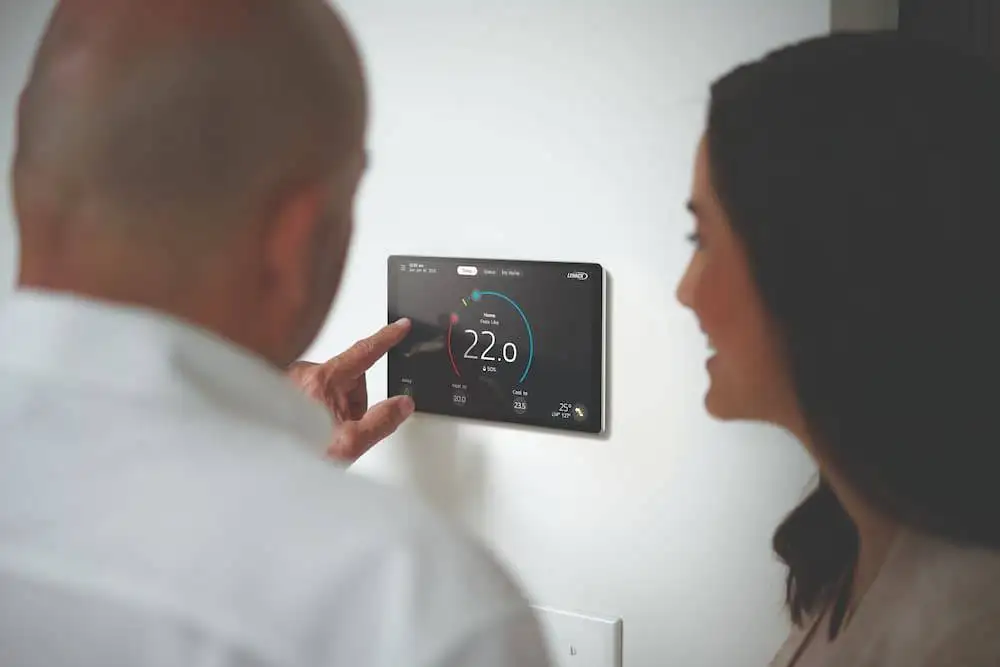
    Programmable thermostats are an energy-saver’s best friend. These devices allow you to customize your home’s temperature settings for different times of the day. This means your AC won’t be running at full blast while you’re at work, yet your home will be comfortably cool when you return.

    Programmable thermostats help reduce energy consumption and your average electric bill in Arizona by minimizing unnecessary cooling.

    6. Consider Energy Star Ceiling Fans

    While ceiling fans can’t replace air conditioners, they can certainly complement them. Energy Star-rated ceiling fans are more efficient than conventional models and can circulate cool air throughout your home. This means you can raise your thermostat setting without compromising comfort, saving substantial energy.

    7. Keep Your Thermostat and Vents Unobstructed

    It may seem trivial, but ensuring your thermostat and vents are free from obstructions can influence your AC’s performance. Blocked vents can restrict airflow, causing your system to work harder and use more energy. Similarly, suppose your thermostat is obstructed or positioned in an area that’s warmer or cooler than the rest of your home. In that case, it may cause your AC to run unnecessarily long, increasing energy consumption.

    8. Get Strategic with Your Thermostat Use

    Strategizing thermostat use is critical for energy efficiency. When you’re home, aim for a comfortable yet energy-saving temperature. When you’re away, let the temperature rise slightly—your AC won’t need to work as hard, and you won’t notice the difference.

    9. Prioritize Regular AC Maintenance

    Regular maintenance is key to keeping your AC unit at peak performance. A well-maintained AC unit operates more efficiently, consumes less energy, and is less likely to break down unexpectedly. Regular filter changes, coil cleaning, and professional check-ups are all part of an effective maintenance routine.

    At Howard Air & Plumbing, we generally recommend scheduling AC maintenance in AZ every spring so that you can be well-prepared for the sweltering summer ahead.

    10. Utilize Window Coverings

    Direct sunlight streaming in through your windows can significantly increase your home’s temperature. Using window coverings like blinds, curtains, or reflective films can help keep the sun’s heat out, reducing the demand for your air conditioner. Even blackouts and thermal curtains are specifically designed to block excess heat.

    11. Opt for Energy-Efficient Lighting

    Finally, lighting is another factor often overlooked in energy conservation. Traditional incandescent bulbs can generate a surprising amount of heat, adding to your AC’s cooling load. Switching to LED or compact fluorescent bulbs can reduce heat output and use less energy for the same amount of light.

    The Lennox Advantage: Efficiency Meets Performance

    One of the most impactful ways to reduce energy bills is by upgrading to a Lennox air conditioner. Known for their high efficiency, Lennox units leverage advanced technologies to provide optimal cooling while minimizing energy usage. Their durable construction and reliable performance make them a smart, long-term investment for your home. A well-chosen Lennox AC unit can significantly enhance your home’s comfort, even in the face of Phoenix’s intense heat.

    At Howard Air & Plumbing, Your Comfort is Our Priority

    Understanding how to reduce energy bills involves a mix of savvy habits and smart home upgrades. By implementing these tips and considering upgrading to a Lennox air conditioner, you can look forward to more manageable energy bills and a more comfortable home.

    As Arizona’s #1 HVAC company, Howard Air & Plumbing is proud to be a Lennox Premier Dealer. Our team of experts can help guide you toward the most suitable Lennox air conditioner for your needs and ensure professional installation and maintenance. Please contact us for more information on how we can help you achieve lower energy bills.

    Together, we can make the scorching Arizona summers a breeze!

  • Why Choose A Lennox for Your Next A/C Unit?

    Why Choose A Lennox for Your Next A/C Unit?

    Selecting the perfect air conditioning unit for your home is more than just a purchase—it’s an investment in comfort, health, and overall quality of life. Among the wide variety of brands available in the market, Lennox air conditioners have consistently stood out, earning high praise from homeowners and industry experts alike.

    But what exactly sets Lennox apart, and why should it be your go-to choice for your Phoenix, AZ, home? Your expert team at Howard Air & Plumbing is breaking down the basics of this industry-leading manufacturer, explaining why it’s an excellent option to keep in mind.

    Why is Your HVAC System Important?

    Your HVAC system is the heart of your home, pumping out conditioned air to keep you comfortable in all seasons.

    Beyond temperature control, a robust HVAC system is crucial in maintaining optimal indoor air quality. It filters out pollutants, allergens, and dust—particularly important considering Phoenix’s arid, dusty climate. It also maintains an ideal humidity level, which can help protect your furnishings and keep your living environment comfortable.

    An energy-efficient and well-performing HVAC system is comfortable and cost-effective, saving you on utility bills in the long run.

    What Sets Lennox A/Cs Apart

    When it comes to high-performing air conditioning units, Lennox stands in a league of its own. But what key characteristics make Lennox A/Cs a cut above the rest? It all boils down to three core factors: a robust brand reputation, exceptional energy efficiency, and innovative technology.

    Let’s unpack each of these to understand how they contribute to Lennox air conditioners’ superior performance and dependability.

    A Brand Reputation That Counts

    When it comes to reliability and durability, Lennox stands tall in the industry. Lennox air conditioner reviews consistently show high customer satisfaction, underlining the brand’s commitment to quality and performance. Given the intense, prolonged heat that Phoenix experiences, having a dependable air conditioner is a necessity. With Lennox, you get reliable comfort, season after season.

    Energy Efficiency

    Lennox air conditioners are synonymous with energy efficiency. Their advanced engineering and design allow them to deliver optimum cooling while consuming minimal energy. With Phoenix’s sunny climate, air conditioning costs can quickly escalate. Lennox’s energy-efficient units can help curb these expenses, making them a cost-effective choice for Arizona homeowners.

    Technological Innovations

    Lennox has long been a pioneer in HVAC technology. Their units come with smart features like the iComfort thermostat’s SmartAway Mode, which automatically adjusts temperatures based on your routine, saving energy when you’re away and ensuring comfort upon your return.

    Types of Lennox HVAC Systems

    Lennox’s product lineup caters to a broad range of needs, offering solutions for various home sizes and specific user requirements.

    Home Comfort System

    This system, also known as a split system, includes an indoor unit, an outdoor unit, and a thermostat. An indoor air quality system can also be integrated, further enhancing your home’s comfort levels.

    Ultimate Comfort System™

    This is Lennox’s most advanced offering, equipped with cutting-edge technologies to ensure unprecedented levels of comfort and efficiency. Imagine consistent, precise temperature control and a home environment that feels fresh and clean all year round—that’s the promise of the Ultimate Comfort System™.

    Dual-Fuel System

    This system combines an electric heat pump and a gas furnace to deliver maximum efficiency and comfort. It can switch between gas and electricity depending on outdoor conditions, ensuring optimal performance while reducing energy consumption.

    Packaged System

    The Lennox packaged system is your perfect match if your home is built on a crawlspace. Despite its compact size, it houses all the components of a traditional Lennox HVAC system, offering efficient home comfort without needing a basement or a lot of outdoor space.

    Choose a Lennox Premier Dealer

    Selecting a Lennox Premier Dealer like Howard Air & Plumbing gives you access to industry-leading products coupled with unparalleled customer service. These dealers undergo rigorous training and commit to meeting Lennox’s high standards, ensuring you always receive top-notch service.

    When you partner with a Lennox Premier Dealer, you can have full confidence that you are investing in authentic products that are expertly installed – in other words, you’re making the right choice for the future of your family and your home.

    Lennox Air Conditioners: FAQs

    What is the price range of Lennox air conditioners?

    Lennox offers a wide variety of units to fit different budgets. The price can range from $3,000 to $7,000, depending on the model and installation costs.

    What does the Lennox air conditioner warranty cover?

    Lennox provides a robust warranty program. The standard warranty typically covers parts for 5 years, while the compressor is covered for up to 10 years. Extended warranty options are also available.

    Where can I read reliable Lennox air conditioner reviews?

    Lennox air conditioner reviews are available online, like Consumer Reports and the Better Business Bureau. These reviews give real-world insights into the performance and reliability of Lennox units.

    How often should a Lennox air conditioner be serviced?

    As a rule of thumb, you should have your Lennox air conditioner serviced at least once a year to ensure optimal performance. Regular maintenance helps prolong the lifespan of your unit and prevent unexpected breakdowns.

    Trust Howard Air & Plumbing for Your New A/C Installation in Phoenix, AZ

    Howard Air & Plumbing has been a trusted provider of HVAC services in Phoenix since 1977. Our team of NATE Certified technicians is trained and experienced in installing and maintaining Lennox systems. We aim for nothing less than 100% satisfaction and will return free of charge in the unlikely event of a system failure following our maintenance and suggested repairs.

    When upgrading your home’s comfort with a Lennox air conditioner, trust Howard Air & Plumbing for professional, reliable installation and service. We’re here to ensure your comfort every step of the way.

    Don’t let the Phoenix heat get the better of you—contact us today for your free consultation!

  • Should I Replace My AC’s Evaporator Coil or the Whole AC Unit?

    Should I Replace My AC’s Evaporator Coil or the Whole AC Unit?

    Ready to replace the coil in your air conditioner? Or is it best to get a new unit for your Phoenix condo or home now? This decision might keep you up at night if you’re a homeowner who wants to do the best thing for your HVAC system.

    The “repair or replace” decision is a common air conditioning maintenance headache. A quick repair is much more affordable than a total replacement. On the other hand, why pay for a repair if you’ll still have to replace your air conditioner soon anyway?

    For the most part, a total replacement is the most affordable long-term solution if your evaporator coil is on the fritz. It’s such an expensive repair and is often a sign of other problems. Even so, consider all of the following while you weigh your options.

    What Does the Evaporator Coil Do Anyway?

    The evaporator coil is part of the indoor air conditioner unit. It absorbs heat and humidity from your home, storing it in refrigerants. Most homes in the Phoenix area don’t have problems with humidity, but the heat is definitely a different story.

    In other words, it won’t take long to figure out something’s wrong whenever your evaporator coil starts to malfunction. If the evaporator coil isn’t able to transfer heat from your home into the refrigerant, your refrigerant can’t carry the heat outside and expel it back to where it belongs.

    Why Is Replacement Necessary?

    Now you know why the evaporator coil is so vital to the overall health of your A/C system, but what could go wrong with it? Normally, the problems are caused by erosion. Just like water carved the Grand Canyon here in Arizona, refrigerant flow through your evaporator coil can eventually take its toll.

    The outer lining eventually corrodes and wears out. Once the evaporator coil starts to break down, it becomes much more likely to leak refrigerant. It’s entirely possible to replace the coil, but there are a few reasons you might be better off getting an entirely new unit.

    Your AC Unit Uses R-22

    R-22 is an old type of refrigerant. It isn’t very common anymore because it’s much more harmful to the environment than the refrigerant that comes in new systems. Just as it’s more harmful to the environment, it can also be harder on your HVAC system and cause parts to break down faster.

    Instead of finding an HVAC company that still uses R-22, you’re better off modernizing your system. That way, you’ll have entirely new equipment that a harsh, outdated refrigerant hasn’t corroded.

    Mismatching Your Condenser and Unit

    Refrigerant isn’t the only component of your HVAC system that’s improved markedly in recent years. The equipment itself is better, too. If your unit is very old, you might not be able to find an evaporator coil that fits with everything else. This can lead to a mismatched system that only sometimes works harmoniously.

    Two Coils

    When the evaporator coil transfers heat into the refrigerant and send that refrigerant to the outside unit, there has to be a way to release the heat. Again, this heat transfer depends on another coil: the condenser coil. The condenser coil in your outdoor unit is the counterpart to the evaporator coil in your house.

    If they’re made to work together, your system can stay balanced. Any kind of mismatch can overpower one or the other, putting too much stress on it. One of your coils will wear out, and you’ll be back in the same mess all over again.

    SEER Ratings

    The SEER rating is the measure of your air conditioner’s efficiency. The most affordable units today might have SEER ratings of 14 or 16. The federal government requires new units to have SEER ratings of at least 14.

    If your old air conditioner has a SEER2 rating of 12 or lower, you probably won’t even be able to find a suitable coil for it. Even if you could find a coil for such an inefficient system, it probably wouldn’t be a lasting solution.

    How To Avoid Damage To The Evaporator Coil?

    You should avoid the issue of a failing evaporator coil altogether. Sometimes things happen that are outside your control. You can still help yourself avoid replacing the coil in an A/C unit by taking great care of it with preventative maintenance.

    One of the main causes of coil failure is too much stress on the part. Regular maintenance helps fine-tune your system to avoid putting your parts in stressful situations.

    Want an Estimate From Experts at Howard Air & Plumbing to Replace Your Evaporator Coil?

    When you start having evaporator coil problems, an HVAC expert from Howard Air & Plumbing can help! Our experienced staff knows what it takes to keep an air conditioner functional, even in the Valley of the Sun.

    We’ll always give you an honest opinion of all of your options. Our technician will make a professional recommendation, and you make your own decision. That’s why they say, “Whether replace or repair, call Howard Air & Plumbing!”

  • What Temperature My AC Blow Out of the Vent

    What Temperature My AC Blow Out of the Vent

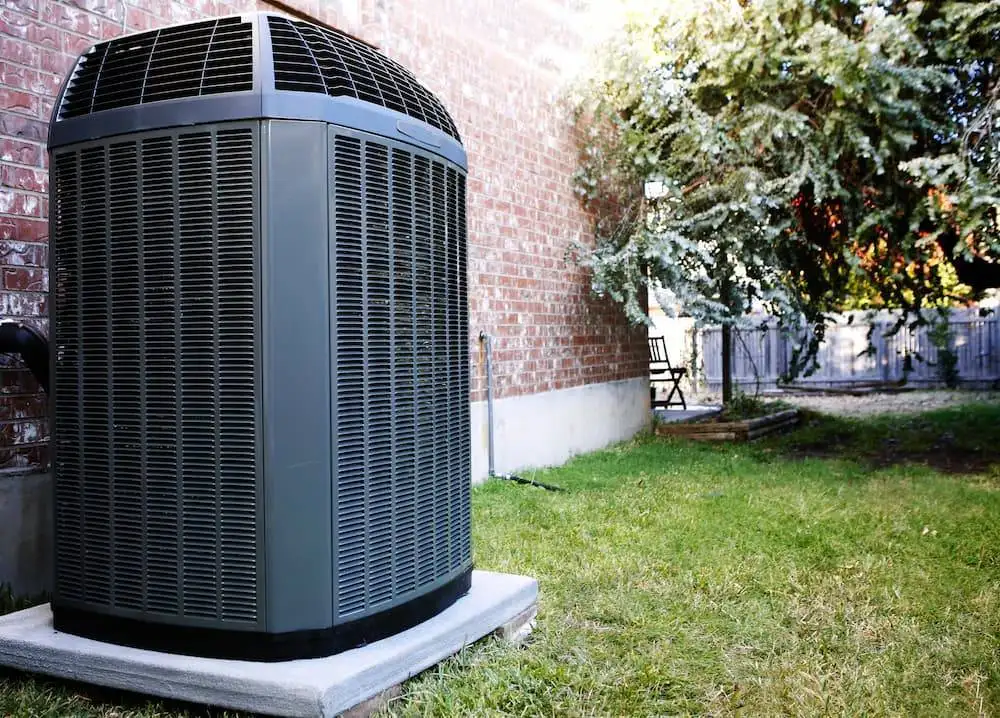
    AC unit in yard

    Updated February 25, 2025

    If you’re asking the question of “how cold should my AC blow?”, it’s already probably very hot outside here in Phoenix. While Phoenix has been named one of the most livable cities in the United States, summer weather can mean intense heat and having a well working AC unit is a must if you want to stay comfortable. Unfortunately, though, you can’t just set your thermostat and expect to be instantly cooled off. It’s not magic, it’s science.

    Here’s what you need to know about the science of air conditioning, HVAC temperature differentials, and things you can do to make your home more comfortable during those hot summer days.

    What Temperature Should AC Blow When Cooling?

    Without getting too deep into how an air conditioner works, let’s start by defining terms like “supply air” and “return air.” The supply vents are the homes that supply treated air to your home. This is the cool air you feel when you put your hand in front of a vent. It’s coming from your A/C unit and through your vents.

    Then there are the vents that don’t have cool air coming out of them: the return vents. These vents take air in and send it through separate ductwork. It goes back to your A/C unit where it gets cooled, then gets routed back to the supply vents.

    When you think about pushing the limits of air conditioning, one big consideration is how much you need to change the outside air temperature to make yourself and your family comfortable. It takes a better HVAC system to stay comfortable in the dog days of summer than it does when it’s 70°F outside during spring in Phoenix. Understanding what you’re asking of your air conditioner comes down to thinking about the temperature differential HVAC units run up against here in Arizona.

    Understanding HVAC Temperature Differentials

    Sometimes during the hottest days of our summers, it might start to seem like your air conditioner just can’t keep up with the oppressive heat here in Phoenix. What you notice on those days is called the temperature differential. The temperature differential HVAC units achieve the difference between the intake and output. In other words, it’s the difference in temperature between the air outside and the air inside your home.

    How to Determine a Temperature Differential

    For example, imagine the outside air is 100°F, and your home is 70°F. In that case, your HVAC differential temperature is 30°F. If you raise your thermostat to 75°F, you shrink your HVAC temperature differential because you’re not asking it to change the air as much.

    Now imagine it’s 110°F in Phoenix, and you want to keep your home at 65°F. In this scenario, your temperature differential goes all the way up to 45°F. Now you’re really asking your air conditioner to do a lot of work!

    Optimal AC Temperature Differentials

    Pushing your HVAC temperature differential too far can put a lot of stress on your system. Most HVAC professionals will recommend that you don’t put the AC’s temperature differential too much over 20°F. Here in Phoenix, though, that just doesn’t fly. Are you supposed to let your inside air temperatures get above 90°F for about half of the month of July?

    This is one of the reasons that life here is so hard on air conditioners. It’s why we’re such firm believers in the value of choosing premium equipment like Trane HVAC systems. It’s also why keeping up with A/C maintenance is so important.

    Delta T Versus Temperature Differential for HVAC Systems

    There’s an alternate definition of HVAC temperature differential. Some people use the phrase to talk about the difference between the return air and the supply air (instead of the difference between inside and outside temperatures). We refer to this temperature difference between the return air and supply air as Delta T.

    How to Measure Delta T

    You can measure your Delta T by taking the temperature at a supply vent and then at a return vent. The temperature at your return vent minus the temperature at your supply vent is the Delta T.

    For example, imagine the air is going into the return vent at 75°F and coming out of the air supply vent at 60°F. This would mean your HVAC system is operating with a Delta T of 15°F.

    Most health air conditioners are expected to be able to achieve Delta T levels of at least 15°F or more. If your system isn’t reaching the set temperature, and your supply air is less than 15°F cooler than your return air, you probably need to contact Howard Air & Plumbing and see what’s wrong.

    Sometimes the problem is as simple as changing your dirty filter. Other times you might need significant repairs or even a replacement. In some cases, you can fix your problems just by changing your thermostat settings.

    Old Ducts Can Effect How Well You AC Cools

    If your HVAC system is healthy, but your AC is still blowing warm air, it could be a problem with the ductwork. Leaky ducts let the cold air escape before it comes through the supply vents to where you need it. If your ductwork isn’t leaking, it might just be too small. Undersized ductwork doesn’t deliver enough air, which makes it hard to get the home cool.

    Programming Your Thermostat

    There are a few ways you can program your thermostat to make things easier on your HVAC system during the dog days of summer here in Phoenix. One thing you can do is set your fan speed to high. The high speed keeps the air moving through your air conditioner as quickly as possible.

    If your air conditioner has different settings like Heat, Cool, and Auto, it’s best to set it to Cool on those hot days. Some people keep it set to Auto all year long, but the Cool setting is better when you know there’s no chance you’ll need to warm the air up any time soon.

    Finally, you can set your thermostat to run in the mornings before outside temperatures get too hot. This gets your home down to a comfortable temperature when the temperature differential isn’t as extreme. Your air conditioner doesn’t have to work quite as hard, and then you can try to maintain that temperature throughout the day.

    Choose Howard Air & Plumbing for Your Phoenix Area Home’s AC Needs

    Howard Air & Plumbing has served Chandler, Glendale, Scottsdale, and the surrounding areas for more than 40 years. We know what it takes to keep homes and businesses cool in the Valley of the Sun. If your air conditioner isn’t putting out cold enough air, let’s get in touch!!


    Image Credit: GSPhotography/Shutterstock

  • How is Refrigerant Added to An AC Unit

    How is Refrigerant Added to An AC Unit

    Are you looking into adding additional refrigerant to repair your AC unit? Refrigerant is a chemical used in air conditioning systems to help cool the air. Adding refrigerant to an AC unit is an important part of routine maintenance that helps maintain cooling efficiency and prevent breakdowns.

    Before Refrigerant Can Be Added:

    Before adding new refrigerant to your AC unit, there are a few things you should do first. The most important step is making sure there are no leaks in the system. Leaks can cause the system to become inefficient and cost you money in lost energy costs. If you find any leaks, have them repaired. You should also check if the refrigerant type being used is compatible with your AC unit.
    The truth is that handling refrigerant for AC units is best left to professionals. Unless you’ve been formally trained in HVAC maintenance and repair, it’s not wise to attempt this yourself. Still, learning the steps below can give you an idea of what to expect from your HVAC tune-up.

    Why Would You Need to Put Refrigerant in an AC Unit?

    Regardless of which refrigerant your AC system uses, you generally shouldn’t need a refill. The HVAC system is designed to hold its refrigerant. If you need more, that means some has leaked out. A skilled HVAC professional will know to find the source of the leak before simply pumping more refrigerant into the system.

    How HVAC Professionals Put Refrigerant in an AC Unit

    Things fall apart, and your HVAC system might eventually lose some refrigerant. Here’s what you can expect when the time comes.

    Step #1: See if Your Air Conditioner Is Blowing Warm Air

    Here in the Phoenix area, it doesn’t take long to notice when your air conditioning isn’t working as intended. There are multiple potential causes of your problem, and a refrigerant leak is one of them.

    Step #2: Perform Regular Maintenance Before Refilling Your AC

    Adding refrigerant won’t do much good until the leak is repaired. It’s important to repair your HVAC system first. That way, the new refrigerant will stay where it’s supposed to be, and you won’t have to get the same exact service again soon.

    Step #3: Select and Purchase the Right Refrigerant

    Some popular types of refrigerants include R12, R410A, and R134. You can find out which type your system needs by checking the owner’s manual. Better yet, you can leave this up to the professional who maintains your system. They’ll know what type of refrigerant to use and how to get it.

    Step #4: Gather the Proper Safety Equipment

    Refrigerants can cause you serious harm. You don’t want it touching your skin, and you certainly don’t want to be breathing it in. Instead of finding an appropriate respirator and all of the other safety gear, your safest option is to call for professional HVAC repair.

    Refrigerant is toxic and flammable, which makes it lethal. This is not the time to test your DIY skills.

    Step #5: Wait for the Right Temperature

    Refrigerants are attracted to cold temperatures. That’s what makes them effective. Unfortunately, this property also makes it difficult to recharge your air conditioner when the outside temperature is lower than 55°F. This won’t be a problem for most of the year here in Phoenix.

    Step #6: Once More, Consider Seriously Whether You’re Confident Doing This

    If you’re still thinking about a DIY project involving refrigerant for your AC, it’s not worth the risk of trying to handle by yourself. This is why people go through training and get certified. Calling for professional HVAC service will keep you out of harm’s way.

    Also, calling the pros might be less expensive than trying to handle a project like this by yourself. After all, you would have to buy a bunch of specialized equipment, protective gear, and the refrigerant itself. This is the time to save yourself from both danger and hassle.

    Step #7: Add the Refrigerant

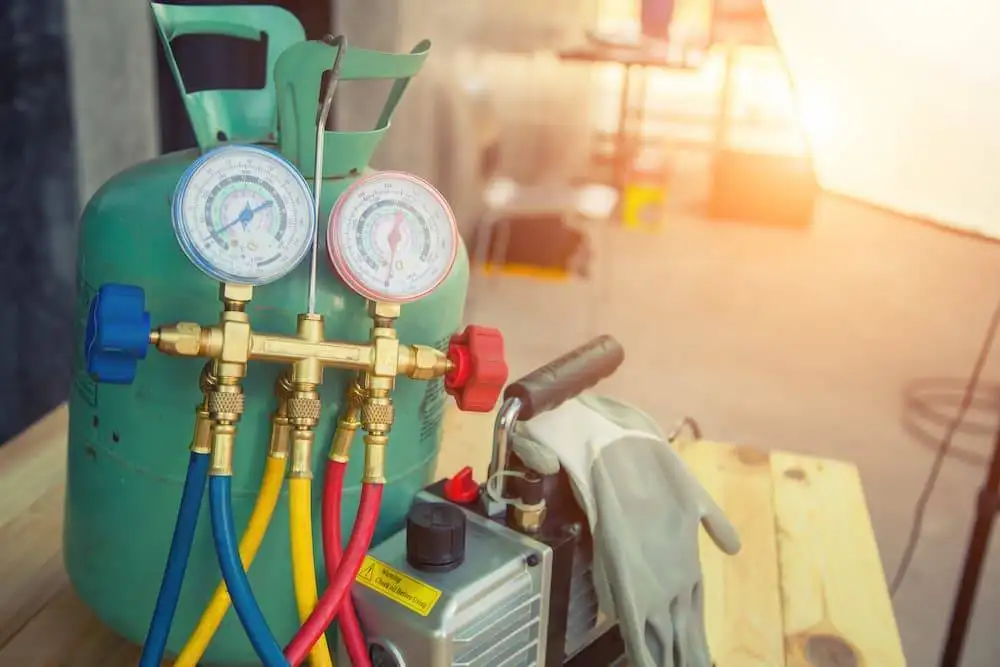
    This step involves connecting a refrigerant tank to your AC unit. The HVAC technician will bring your system up to the appropriate refrigerant pressure without spilling chemicals into the air. They’ll even conduct a leak test to ensure the refrigerant is staying in your AC system where it belongs.

    Step #8: Store the Remaining Refrigerant Properly

    The safest way to make sure refrigerant is stored properly is not to keep it on your property. The HVAC professionals will take the remaining refrigerant with them, so you don’t have to worry about it.

    Contact the Phoenix Air Conditioning Pros Today!

    It takes years to become an HVAC technician. It takes seconds to schedule service with Howard Air & Plumbing. Contact us today, and we’ll make sure you have the appropriate refrigerant pressure in your HVAC system.


    Image Credit: I AM NIKOM/Shutterstock

  • How to Tell if the Capacitor is Bad on Your AC Unit

    How to Tell if the Capacitor is Bad on Your AC Unit

    Do you know how to tell if capacitor is bad on the AC unit of your home or business? Do you know how dangerous testing capacitors without proper training can be? At Howard Air & Plumbing we consider educating our customers an important part of our business and we take air conditioner repair seriously. The first thing to do if you suspect you have an issue with your A/C is to test the capacitor to see if it’s bad. Continue reading to learn how to tell if a capacitor is bad.

    What is a Capacitor?

    Imagine a very large battery that can give up all its stored energy in a single pulse. That is a capacitor. The central air conditioner in your house has a capacitor to get the compressor and fan motor started.

    What Does a Capacitor Look Like?

    Turn off the circuit breaker to your air conditioning unit. Remove the cabinet panel on the outside unit. Inside your AC’s outside unit, under the cabinet, you will find a tall cylinder or oval of shiny metal. It will have wire connectors leading to it. Avoid touching the wires or capacitor. Even with the power off, it still has that stored energy.

    What a Bad Capacitor Does To Your System

    Without the added power of a working capacitor, the outside unit cannot operate effectively. The fan may not spin; the compressor may not move. This causes “hard starting” during which the compressor shudders and balks at starting, or shuts off quickly. A humming motor that does not really start is another symptom of a bad capacitor, and such a condition can lead to motor burnout.

    How to Tell If a Capacitor is Bad

    So, what is a typical sign that a capacitor is bad or has failed?

    There are some bad AC capacitor symptoms to look for. Observe the condition of the outer shiny metal container that protects the inner workings of the capacitor. If it bulges at the top, the capacitor is defective. If the container is cracked or leaking, it is bad.

    Trained HVAC professionals may observe smoke coming from the capacitor, smell a burning odor or actually see fluid ooze out around the base of the capacitor.

    Safely Checking a Capacitor

    If you know how to use a multimeter, with the power to the cooling system off you can apply leads to drain the stored energy. Touch one lead to the ground wire and, in turn, touch all other wires with the other lead. This will dissipate the capacitor’s electrical charge. You can then check capacitance across the two or three terminals on the capacitor.

    Capacitors have the ability to do serious harm. The safest way to check an AC unit’s capacitor is not with a multimeter, but with a mouse click or phone call to Howard Air & Plumbing.

    Need a New Compressor?

    If you believe your HVAC’s capacitor is bad, contact the professionals of Howard Air & Plumbing and we can have your Phoenix unit back in prime shape quickly. We can diagnose and replace capacitors, compressors, belts, motors and more.

  • How Long Do Air Conditioners Last

    How Long Do Air Conditioners Last

    If you’re wondering how long your air conditioner will last, make sure to read our guide below to learn: 

    • The average lifespan of an air conditioner is 15-20 years nationally, but that range will vary greatly depending on the specific region where the unit is used. 
    • A variety of factors will determine exactly how long your unit will last, including the local climate and your maintenance schedule. 
    • Even if your system isn’t quite at the end of its lifespan, you may find benefits from replacing your A/C unit with a new model. 

    Like all good things, your air conditioner won’t last forever. While you should expect at least a decade of good use from your A/C unit, various factors may help extend that period or even shorten it. The key takeaway, though, is that there will come a time you’ll need to replace your system, and you should rely on trusted local professionals to perform a quality installation. 

    How Long Do Air Conditioners Last? 

    There are a lot of factors that go into the lifespan of your air conditioner. If you pop “how long does ac unit last” into your favorite search engine, though, you’ll receive an answer of around 15 to 20 years.  

    However, this range doesn’t tell the whole story. It considers air conditioning usage from the entire country and all the diverse climates within the national borders. As you can imagine, Alaskans may use their air conditioner less than the people of Florida, for example. 

    Seattle is the least air-conditioned metropolitan area in the country. Air conditioners there, where climates are temperate and rarely stray too far from a comfortable range, may end up lasting well past the two-decade mark due to their occasional use. Phoenix residents, on the other hand, with its intense heat and 300 days of sunshine, are more likely to turn on their A/C throughout the year.  

    So, yes, there are places where an air conditioner may last almost 20 years, if not slightly more. However, Arizonans may need to replace their systems twice as quickly, with an average lifespan of 10 to 15 years. 

    Still, you may find multiple benefits from replacing your A/C unit before it’s run into the ground. The Department of Energy estimates that replacing even a decade-old system can lower energy costs each month. Replacing your system earlier than its death may also help save you from the expensive repairs or parts replacement necessary to eke out an extra year or two of service. 

    What Factors Determine How Long AC Units Last? 

    An average lifespan doesn’t guarantee a timeframe of peak operation for your air conditioner. There are a variety of factors that will determine how long your specific A/C unit lasts. 

    Starting at the very beginning, the quality of your unit’s initial installation plays a significant role in the system’s lifespan. Air conditioners are designed to cool a specific area. A poorly designed system may mean it’s forced to kick to work relentlessly to cool a too-big space. For instance, if the ductwork is improperly sealed or installed, leaks indicate your air conditioner has to work extra hard due to the loss of cool air as it moves through the ducts. 

    After installation, an air conditioning system needs regular maintenance and prompt repairs. Ideally, you should have trusted professionals, like those at Howard Air & Plumbing inspect your system at least once a year. If your home is often harassed by an abundance of dust storms or strong winds, you should have a technician come out slightly more often. 

    This maintenance process helps uncover minor issues that will quickly snowball into much more expensive ones if left untreated. This type of attention can help prolong the life of your system and keep it running in peak or close-to-peak conditions throughout that time. 

    If you notice an issue with your A/C outside of your regular maintenance cycle, you also should have a skilled technician come out to assess the issues. Letting your system run while it’s experiencing issues can add wear and tear to internal parts. This can lead to the entire system breaking down. 

    What Are the Signs You Need a New Air Conditioner? 

    Your monthly energy bill serves as a good indicator of whether your A/C unit is nearing its end. If your bills are rising despite no change in your typical use of the air conditioning system, this means the system is starting to work less efficiently. As the energy efficiency of the central unit continues to deteriorate, you may find yourself sinking money into expensive utility bills that could go towards a new, more efficient system. 

    While it’s normal to need an off-schedule repair call now and then to remedy an issue with an air conditioner, if those calls grow in frequency, you’re likely reaching the point where it makes more sense to purchase a new unit altogether. Repairs and parts replacement can be expensive, and you may find that it makes more financial sense to replace your old system instead of trying to keep your current one running. 

    Another sign that you need a new air conditioner is if the temperature within your home refuses to stay consistent. This may mean that one room is far hotter than another or that the temperatures throughout the home swing wildly up and down. If you find yourself constantly checking and adjusting the thermostat, you may need a new system. 

    When Should You Consider Buying a New Air Conditioning System? 

    The obvious answer here is whenever you realize your old system is beginning to falter. Between repairs, parts replacement, and increased energy bills, you’ll quickly find you’re pouring more and more money into a system that’s about to meet its end when you could instead use that money on a new system. 

    New systems can be expensive, but there are multiple financing options available to you. Federal, state, and local governments offer rebates and incentives to help offset the upfront cost. Some people find that their total monthly expenses go down with a new system, even if they choose to finance, due to their radically reduced utility bills. 

    You should also consider purchasing a new system if your air conditioning needs change. For instance, if you build an addition to your home or convert previously unused space to a new bedroom or workspace. A new system can be designed to cover these new living areas while ensuring the A/C unit operates efficiently. 

    Keep Your Home Comfortable With Howard Air & Plumbing

    We hear the question all the time: How long do AC units last? To reiterate, that can be a difficult question to answer generally. At Howard Air & Plumbing, though, we can send our professional technicians to assess your current system and help you weigh the factors of seeking more repairs or purchasing a new system altogether. 

    Whichever route you take, you can trust our highly skilled team to properly install a new system or service your current one. To see how we can help keep your Phoenix area home comfortable, call us today at 480-648-0055

    Featured Image: Fizkes/Shutterstock

  • What to Do if Your Air Conditioner Breaks in the Middle of the Night

    What to Do if Your Air Conditioner Breaks in the Middle of the Night

    An air conditioner not blowing cold air is a problem for Phoenix homeowners, but one that is far worse if your system breaks down after business hours. Here are strategies you can use while waiting for your trusted Phoenix HVAC experts, Howard Air & Plumbing, to arrive.

    A/C Broke in the Early Hours of the Morning

    If it’s 3:00 a.m. on a summer’s morning and your air conditioner suddenly stopped working, here’s what to do:

    Step 1: Keep the Cool Air You Do Have

    Howard Air - HVAC Stopped Working in Middle of the Night: Keep Cold Air

    With your central air conditioner not working, try these survival tips:

    1. Keep your house closed up, curtains drawn, during the day to preserve the cool air you have.
    2. After checking that the Phoenix night temperature is lower than your home’s temperature, open all windows, especially windows on opposite sides of your home to enable cross ventilation.
    3. Ensure everyone drinks plenty of fluids to stay hydrated.
    4. Arise before dawn to close up the house and preserve the cool night air in your home.

    Step 2: Shut Down Fans Immediately

    Howard Air - HVAC Stopped Working in Middle of the Night: Turn Off Fans

    Fans only cool people. They add a bit of heat from their motors to the room temperature. Only use ceiling fans and desk fans in rooms where people are struggling to sleep or stay cool.

    Point window fans to blow air out of your open windows. The draft pulls air in from other windows and pushes hot air out.

    With desk fans, put a pan of ice in front of each fan. The fan will blow across the ice. Eventually, two things will happen:

    1. The ice will melt, meaning heat from the room has transferred into the melting ice.
    2. The room temperature will drop a bit.

    Step 3: Going Back to Sleep

    Howard Air - HVAC Stopped Working in Middle of the Night: Back to Sleep

    Getting to sleep in hot weather is tough, but humans have done it for thousands of years. Today, you still have technology available even with your air conditioner not working. Try these:

    1. Stick your cotton sheets in a plastic bag and then into the freezer for a half-hour before making your bed and lying in it. The first few minutes will be cool and comfortable, and that may be enough to help you nod off.
    2. Put some dry towels over your mattress, then the fitted sheet. Rinse and wring out a top sheet. The cool water will wick away heat from your body.

    Call Howard Air & Plumbing 24/7

    Remember to call the leaders in HVAC Phoenix customers have come to rely on, Howard Air & Plumbing, in the morning. Howard Air & Plumbing looks forward to helping you with central air conditioner problems large and small.

    Our NATE-certified technicians arrive equipped with more than $40,000 in parts and supplies, ready to repair your system promptly. Contact Howard Air & Plumbing today at (623) 201-5153 and keep your cool tonight.