Author: admin

  • What’s the Cost of Aeroseal Duct Sealing?

    What’s the Cost of Aeroseal Duct Sealing?

    Common Duct Sealing Questions

    You may have thought about having the air ducts sealed in your Phoenix home or business, knowing it will save you money in the long run. Yet you worry: How much does duct sealing cost? How long will it take to recover your investment? Who does the best, most professional job?

    Have general questions about the duct sealing process? If so, continue reading to see commonly asked questions and we’ve included FAQ questions towards the bottom of the page.

    What is Duct Sealing?

    Two popular methods of duct sealing are in use today:

    1. Exterior sealing, usually by hand;
    2. Interior duct sealing, using high technology.

    Howard Air & Plumbing uses advanced Aeroseal duct sealing. An efficient aerosol spray is injected under pressure into the ducts, sealing every crack and crevice from the inside. This method is vastly superior to hand-brushing a sealant on the outside.

    The pressure inside the ducts automatically forces the fast-drying aerosol into cracks, where it closes up the holes and dries to become a solid. Brushed-on exterior sealing may or may not close up all air leaks.

    How Much Does Air Duct Sealing Cost?

    So… how much does duct sealing cost?

    Duct sealing costs between $1,500 and $2,500 on average per air conditioner. But keep in mind that there are a lot of different factors that will attribute to the final cost, including size of the home, location, and age of the duct system, plus the method of sealing you choose.

    Any measure of the investment for duct sealing has to include an estimate for the savings the process brings. For this you need to consider your options:

    • Live with leaking ducts that lose expensively treated air at a high rate. Typical residential loss is several hundred cubic feet per minute (CFM), but for large commercial properties, this can be over 40,000 CFM.
    • Replace an entire duct system.
    • Have ducts sealed externally.
    • Have ducts sealed a modern, efficient way, such as Aeroseal.

    The least expensive option is the last one: having your HVAC contractor use Aeroseal to close up holes and leaks from inside your ducts.

    How Much Does Aeroseal Duct Sealing Cost?

    Each Phoenix property is different, so a precise cost for a particular job can only come from having an HVAC representative come to your home or business to measure and give an estimate.

    Plenty of research indicates the return on investment (ROI) for duct sealing is superior to just about any other home improvement, with figures ranging from the federal Energy Star’s 20 percent improvement in HVAC energy efficiency to McKinsey & Company’s cost recovery estimate of two to three years.

    Most Phoenix HVAC systems are designed for a minimum of 10 years’ dedicated service. Having your ducts sealed using Aeroseal, and then recovering the cost of that sealing in only two or three years, means you lock in many years of improved energy efficiency, a smaller carbon footprint, cleaner indoor air, and happier family members or customers.

    Duct Sealing FAQs

    Here are more questions that we regularly receive in regard to duct sealing. If you don’t see your question/answer listed, please reach out to our friendly staff!

      1. How Do I Work to Seal Ductwork in a House?

    Want to know how ducts are sealed, eh? There are a few ways to seal ducts, including with the use of duct tape, mastic, and Aeroseal.

      1. How Does Aeroseal Work?

    Aeroseal works to seal ducts from inside the duct by sealing escaping air with polymer particles.

      1. How Do I Seal Vents and Registers?

    Vents and registers are best sealed when installed properly. If you still have gaps, try duct tape or foam weatherstrip tape.

      1. How is Duct Seal Used?

    There’s a right way and a wrong way how to use duct seal. Duct seal, like Aeroseal, is used to locate hard-to-find and reach gaps in your duct system and fill those gaps with polymer particles.

      1. How Can I Seal Air Ducts?

    If you want to know how to seal HVAC air ducts like a pro, you really need specialized equipment. However, if you can reach your duct system, duct tape is a great alternative.

      1. How Do I Seal Ductwork in a Basement?

    Sealing ducts in the basement is the same process as the rest of the home. If you can access the duct, try tape first. If not, get the pros to Aeroseal the duct system.

      1. How Do I Seal Ductwork from the Inside?

    Ducts can be sealed from the inside of the duct with the use of Aeroseal and polymer. When the polymer is introduced to the duct it sticks to the metal framing first and then to itself to close gaps and make them airtight.

    Do you have any more questions? If so, please feel free to Contact Us.at Howard Air & Plumbing today.
  • My Furnace is Switched On, but it’s Not Blowing Air

    My Furnace is Switched On, but it’s Not Blowing Air

    Is Your Furnace Switched On, but Not Blowing Air?

    With winter just around the corner, furnace issues could be a potential disaster. Here at Howard Air & Plumbing, in Phoenix, we understand that temperatures in the Valley don’t typically dip below freezing. But, when they do, you don’t want to be caught unaware. Maintaining a working heater is more crucial than just personal comfort as water pipes can freeze and burst, which is always a concern.

    When the furnace is turned on but not heating and only blowing cold air, there are a few things a homeowner can check before calling our friendly service experts.

    Preliminary Checks for Furnace Air Not Blowing

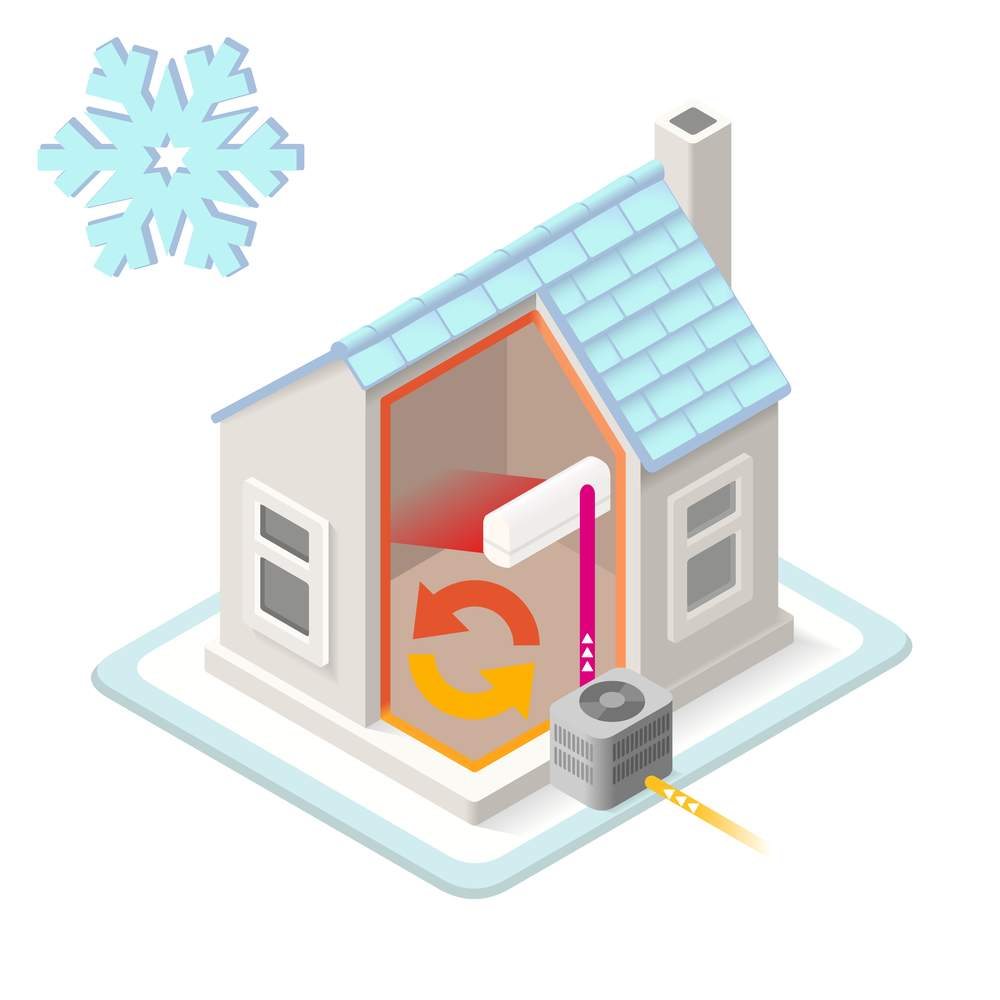
    Howard Air - Home Heating System Diagram

    These simple, obvious solutions are sometimes easily forgotten and worth double-checking before calling a professional:

    1. Remember, it takes a few minutes for the air to warm up. After heating for 10 minutes or longer, do you notice a temperature change?
    2. Double-check the thermostat. Is there someone else in the building that might be lowering the temperature?
    3. Check the thermostat’s batteries as some models run entirely on batteries, whereas some are connected to central power, and some have both.
    4. If you have a gas heater, check the pilot light. If the pilot light is out, that’s very likely the culprit behind the furnace not heating.
    5. For oil furnaces, check the oil supply and filter. They may need a change.

    If the thermostat is fine and the pilot light burning, but the air never warms up, it’s time to check for damage.

    Searching for Damage

    When it comes to potential damage, there are areas you can check yourself and that you may even be able to repair on your own. However, if you don’t feel confident in your ability to find damage, find the right part to replace a damaged one, or apply the remedy, we’re ready to help you with this critical piece of home maintenance.

    The areas you should check are:

    • The hot surface igniter. Make sure your furnace is off, and then remove the main panel (and any necessary additional panels, depending on your model). Look for a small piece of metal protruding from a plastic case – you may need a flashlight to examine it properly depending on your home’s lighting. Any cracks in the metal mean the igniter needs to be replaced.
    • Check the fuse on the control board. A blown fuse will need to be replaced. If fuses frequently blow, give us a call as there’s likely a more complex problem.
    • Head up to the attic and check the air ducts for leaks. Remember that attics often do not have a walkable floor like lower levels and exercise extreme caution.
    • Examine the heat sensor for grime.

    None of these problems are especially serious and should be fairly simple and relatively inexpensive to repair.

    Still Need Help? Contact Howard Air & Plumbing in Phoenix, AZ Today!

    If none of these issues seem to be the cause, there’s likely a problem that requires an expert. In these cases, or even if you’re not sure what the problem might be, just give us a call or send a message.

    Furnaces are too important to neglect. It is wise to inspect your furnace annually so that you can avoid problems during the coldest part of the year. At Howard Air & Plumbing, we are happy to help with maintaining your furnace. Please contact us today.

  • What Are the Benefits of an HVAC System

    HVAC Sysytem

    What Are the Benefits of an HVAC System

    These days, it is nearly impossible to enter any building without experiencing the wonder of modern HVAC technology. However, as buildings age their heating and cooling units can become less effective and begin to wear down. Upgrading your home to the latest heating and air conditioning units can save you money, improve the comfort of your home, and pay for yourself if you ever decide to sell. 

    Energy Efficiency

    One of the biggest trends in the home technology sector is improving energy efficiency to reduce power bills. New thermostats and comfort-monitoring systems allow for automated scheduling based on when you are most likely to be home. This means that your system isn’t running wastefully while you’re away. In addition, by closely and accurately tracking the inside temperature of your home, your system will know precisely when it needs to kick on and off to manage cycle times effectively. This means less wear and tear on your system and more reliable results.

    Improved Results

    In addition to more efficient heating and air conditioning units themselves, there are now more options for ventilation and moving air throughout your house than ever before. The use of fans and air filters will improve the air quality of your home while also creating a more universal temperature throughout the house.

    Lifespan

    Since the technology used to manufacture HVAC systems has improved along with better construction materials, these systems can now be expected to last years longer than they did in the past. Basic routine maintenance will mean fewer repairs and less need for replacements in the future. Plus, since the system is can manage itself and not run excessively, all major components take less wear and tear. 

    Return on Investment

    When it comes time to sell your house, it will be subject to appraisals and inspections to determine its value and compliance with local housing codes. An up-to-date HVAC system will be a boost in the resale value of your home as buyers will be less likely to need a replacement immediately after purchasing the residence. 

    Tax Breaks

    As the trend towards going green continues, many state and local governments are rewarding homeowners who take steps to heat and cool their homes more efficiently. In addition to saving money on your monthly power bill, you may also be eligible for some tax breaks if you can prove that your new furnace, air conditioner, or ventilation system is rated as energy efficient by one of the major industry leaders. 

    Upgrading to a state-of-the-art HVAC system will pay off in both the short- and long-term of your home ownership. In most cases, you will immediately see the impact that the new system has on your monthly energy expenses, allowing you to recoup the cost over time. Once it is time to move, you will continue to see the benefits as your new system improves the value of your home and makes it more desirable to buyers. 

    Howard Air & Plumbing

    For more information about the latest in HVAC technology and how it can improve your home life, contact Howard Air & Plumbing today. We will be happy to answer any of your heating and cooling questions. 

    Main Contact Form

    "*" indicates required fields

    This field is for validation purposes and should be left unchanged.

  • The Seven Greatest Safety Threats to HVAC Contractors

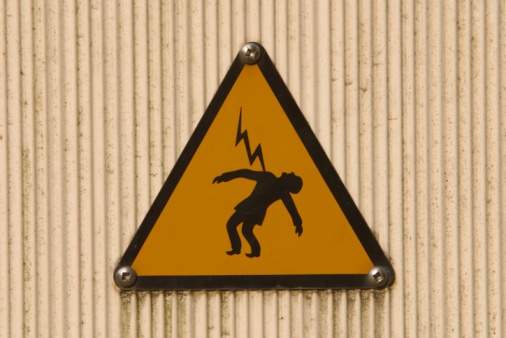
    Electrocution Hazard Sign

    Safety Threats to HVAC Contractors

    The HVAC industry provides many professionals with rewarding and secure careers. Controlling the internal climate environments of offices, homes, and other spaces is considered a necessity today. In addition to this growing demand, the technology used in HVAC equipment requires knowledgeable and experienced personnel.

    However, both this technology and other factors mean there are certain occupational hazards and risks that accompany the HVAC profession. Taking time to be knowledgeable about these factors will improve the efficiency of any HVAC firm and its employees while minimizing potentially catastrophic risks.

    While there are a virtually unlimited number of dangers in any such business, there are seven issues that top the list of concerns for HVAC firms and workers. Below is a brief discussion of those risks that you can evaluate relative to your own operations:

    1. Wiring-related Risks. Of course, the primary risk for any electrical equipment work is electrocution. When working with wiring day in and day out, it is easy to become complacent about picking up a cable or wire and attempting to work with it. It is essential to always treat every wire as live and handle all wiring and cabling with the care they deserve.
    2. Equipment-based Risks. Specific risks are addressed below, but the very size, weight and complexity of the majority of HVAC equipment presents special dangers to personnel. Moving components such as fans and pulleys present unique dangers, especially when they are part of larger units. The many sharp edges and components of an HVAC unit present multiple risks of cuts, punctures, scrapes and other dangers.
    3. Environmental/Exposure Risks. The chemicals used as refrigerants can be a danger to personnel, especially when working with larger and older systems that have developed leaks. Another major factor is the issue of asbestos exposure, often a concern in the same older facilities.
    4. Fatigue-related Issues. Each of the other risks listed here are magnified by the factor of fatigue and complacency. It is possible to execute a dangerous connection or other operation hundreds of times and then make a critical error at some point because of fatigue or inattention. Many HVAC installations are made under tight deadlines to meet construction schedules and this increases the chance for a team of installers to be worked to a point where such accidents are more likely. The other side of this issue is complacency, or executing a dangerous step so many times that there is a loss of appreciation for its inherent danger.
    5. Safety Violations. Many accidents occur when one person is injured because another breaks a standard safety procedure, such as removing an interlock or failing to properly secure tools when working at a height. Following safety rules is not just important for the individual, it is essential for protecting co-workers as well.
    6. Burns and related Injuries. The danger of working with extremely hot and moving components often exists when performing regular or emergency maintenance or repairs on installed equipment. This is especially the case when some parts seem to be off and cool while other components nearby are operating at extreme temperatures. The larger the installation being serviced, the greater the risk of misjudging the status of any one unit or component.
    7. Falls and Crushing Injuries. When installing or removing larger HVAC units, the work often involves use of third-party cranes and equipment. Workers have to pay special attention to their risks when working at heights or when moving multi-ton HVAC components.

    Howard Air & Plumbing

    At Howard Air & Plumbing, we take the time to ensure every member of our professional team is knowledgeable about these risks and trained to avoid or manage them correctly. Our attention to safety keeps us on time and on budget while delivering a full range of HVAC services without compromise.

  • What Are the Different Types of Furnaces?

    What Are the Different Types of Furnaces?

    Your home is unique, and so are its needs when it comes to heating. Fortunately, you never need to settle for a one size fits all approach to installing a furnace in your home. There are four different types of furnaces available to choose from, ensuring you have the most effective and efficient heating solution for your home at any time. Learning the basics of these furnace types can help you make the most informed, forward-thinking decision when the time comes to replace your old unit with something more up-to-date.

    The Role of a Furnace in Your Home

    Your home’s furnace is an integral part of its forced-air system. It works to create warm air when the temperatures outside plummet and play a crucial role in cooling air during the warmer months. The furnace uses natural gas, electricity, propane, or oil to bring the air to the appropriate temperature and then pushes it throughout your home using a series of ductwork. The temperature stays steady by adhering to the settings on your thermostat, giving you direct control over your furnace and its operations at all times.

    Choosing the right furnace is critical to ensuring efficiency within your home within the coming years, allowing you to make the most of your investment in the long run. The furnace type you use should depend on both your home and your budget. Choosing the right one can seem a bit tricky, which is why it’s advised to work with a team of professionals, like our trained technicians at Howard Air & Plumbing.

    1. Gas Furnaces

    These furnaces work by piping in gas pulled from the municipal line. Inside your furnace, a series of gas jets located along the burner combusts the natural gas, which creates hot air, which is then pushed through the ducts using your furnace’s blower fan. The process offers an excellent balance of effectiveness and efficiency, making it a definite go-to for many homes in some areas of the United States.

    Gas furnaces are among the most commonly used in the United States, and for a good reason. When it comes to overall efficiency, these furnaces are around 33 percent more efficient than other popular options, with a whopping efficiency rating of 98 percent on newer models. This bump to efficiency means saving $30 or more per year on energy expenses for many homes.

    These furnaces are incredibly popular in southern states that don’t see severe cold temperatures during the winter months. While natural gas furnaces are the best of the best for efficiency, even the newer models don’t have quite as much power as some other options on the market, making it less ideal for homes in regions that see extremely low winter temperatures.

    2. Oil Furnaces

    Oil furnaces are excellent options for homes that don’t have access to natural gas. In these models, oil is used to power the furnace’s operations much the same way as gas is used in the gas model’s process. The burner combusts the oil to create hot air, providing warmth throughout your house.

    Oil furnaces are a reliable way to keep your home warm in the chillier month. They typically cost around 25 percent less to install than their more popular natural gas counterparts, making them an excellent option for those dealing with a tight budget for furnace replacement. However, their overall energy ratings average around eight percent less than the average natural gas heater, meaning the money you save upfront will likely be spent on your monthly energy bills in the future.

    This type of furnace will also require far more maintenance than other options available for modern homes. If you decide that this type of furnace is right for your home, don’t worry. You won’t be facing the strenuous maintenance requirements alone. Howard Air & Plumbing is here with our team of trained, knowledgeable techs to ensure your system keeps running smoothly over the coming years and that you have peace of mind knowing you’ll always have warm air when you need it.

    3. Electric Furnaces

    For those who do not have access to a natural gas line, electric furnaces are the next go-to option. These models don’t rely on burning fuel to power their operations, instead of using several electric heating elements to create the warm air you feel throughout your home. You might think this means a more efficient, environmentally friendly overall product, but unfortunately, that is not the case.

    Because the cost of electricity can vary so much from region to region, the cost of running an electric furnace can be considerable in some parts of the country, far outstripping the monthly operational costs of other furnace types. This is perhaps the least efficient option available for homes due to your monthly electricity bill’s often large sum.

    However, electric furnaces are certainly not without their benefits. While they are the most inefficient in the long run, they are also by far the cheapest to purchase and install, sometimes costing less than half of a new natural gas furnace. Along with this decreased cost comes an increased life expectancy. When properly maintained, electric furnaces are expected to last up to 10 years longer than other furnaces. They’re also far smaller than other furnaces, making them the best option for small spaces where placing a furnace might otherwise be challenging.

    4. Propane Furnaces

    If gas and oil are not accessible, and an electric furnace doesn’t seem like the right fit, propane-powered furnaces are reliable. Propane, a by-product of oil and gas production, can be stored in tanks on your property. Lines leading from the tank to your home allow appliances like your furnace to draw on the propane’s power to accomplish the same task as natural gas, oil, or electricity.

    It’s estimated that around 9.4 million homes in the US use propane to fuel their furnaces throughout the year, making it one of the more popular approaches to heating a home. Because installation involves indoor and outdoor factors, you may want to speak with a team of professionals about installation to get a better idea of the overhead cost and what sort of propane refill payments you can expect over the coming years.

    Need Help Choosing the Right Furnace? Contact Howard Air & Plumbing Today!

    Every furnace has its pros and cons, and the professionals at Howard Air & Plumbing are here to help you sort through them to find the ideal furnace for your home. Contact us today to learn more about how we can upgrade your current furnace to something more effective and efficient and keep that new system running smoothly in the years to come with a bit of regular maintenance and decades of experience in our field.


    Schedule Appointment

    "*" indicates required fields

    This field is for validation purposes and should be left unchanged.

    When?

    MM slash DD slash YYYY
    MM slash DD slash YYYY
    MM slash DD slash YYYY

    Featured Image: Shutterstock / Aleksandr Ivasenko

  • 8 Types of Indoor Air Pollution To Watch Out For

    8 Types of Indoor Air Pollution To Watch Out For

    8 Types of Pollution Lurking in Your Home

    Nobody wants to think of inhaling bits of an insect wing. Yet, biological contaminants are one of eight types of indoor air pollutants Phoenix homeowners deal with every day. These pollutants can cause serious health problems, which is why it’s critical that homeowners understand them and take necessary precautions to avoid them.

    To ensure you are informed and safe, keep reading for more examples of indoor air pollutants you should know about.

    Radon

    Howard Air: Types of Indoor Air Pollution in Your Home - Radon

    The radioactive element radon percolates up through the earth itself as an odorless, colorless, tasteless, invisible gas. Radon must be ventilated to prevent harmful buildup in your Phoenix home. An HVAC professional can perform tests to detect radon in your home. According to Everyday Health, radon forms when uranium in water, soil, and stones breaks down and forms a gas. Radon gets into your home through cracks in walls and flooring, warm air rising, space around piping, fireplaces, furnaces, exterior ventilation, and concrete joints.

    Volatiles

    Howard Air: Types of Indoor Air Pollution in Your Home - VOCs

    Volatile organic compounds (VOCs) get into your air from paints, cleaning products, glue, pesticides, home printers, hairspray, permanent markers – even fabrics and upholstery. An HVAC technician can discuss high-efficiency air filters for these.

    Formaldehyde

    Howard Air: Types of Indoor Air Pollution in Your Home - Formaldehyde

    This chemical is used in flooring, carpets, upholstery, curtains, compressed wood furniture and more that can affect your respiratory and immune system. Not even your HVAC technician can eliminate formaldehyde with filtration. Your house needs good ventilation and possible removal of the source.

    Tobacco

    Howard Air: Types of Indoor Air Pollution in Your Home - Tobacco

    If someone in your home smokes cigarettes, cigars or pipes, chances are your home is heavily polluted with compounds and chemicals from the tobacco. Removing this class of indoor air pollutants calls for high-quality air filtration and either HEPA or deep-media filters. Make your home smoke-free.

    Nitrogen Oxide

    Howard Air: Types of Indoor Air Pollution in Your Home - Nitrogen Oxide

    Nitrogen oxide (NO) and nitrogen dioxide (NO2) are products of poor combustion; they irritate lungs and mucus membranes (eyes and mouth). Like radon, these must be ventilated out and their sources removed to avoid serious health consequences. Sources include ovens, stoves, improperly installed vented appliances, kerosene heaters, welding, and tobacco smoke.

    Particulates

    Howard Air: Types of Indoor Air Pollution in Your Home - Particulates

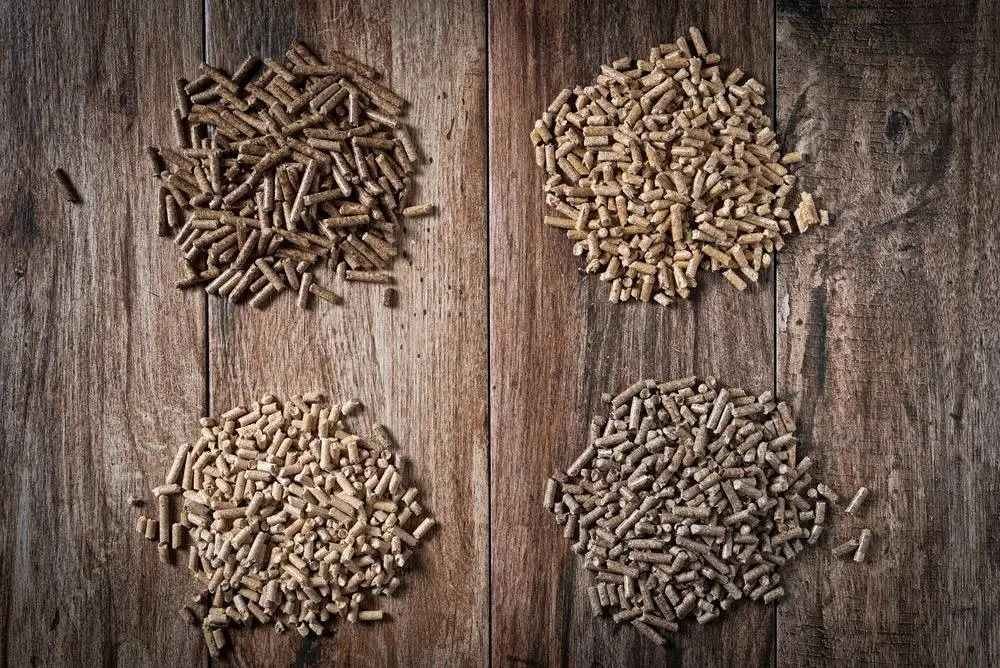
    If you use alternative heating sources, such as coal, wood pellets, or a wood stove, some smoke gets into your air every time it’s used. The particulates in the smoke can fly into the air and into your lungs. Air purification and furnace filtration will reduce these lung-damaging particles.

    Carbon Monoxide

    Howard Air: Types of Indoor Air Pollution in Your Home - Carbon Monoxide

    Carbon Monoxide (CO) is an odorless, colorless, invisible, heavy gas that can kill. CO detectors can help alert you, but even a flawless furnace can belch out CO if your HVAC technician does not ensure proper sealing.

    Biologicals

    Howard Air: Types of Indoor Air Pollution in Your Home - Biologicals

    Insect parts are only one type of biological air pollutant. The Environmental Protection Agency mentions a long list, including:

      • Viruses
      • Bacteria
      • Molds
      • Pet saliva and dander
      • Dried rodent urine
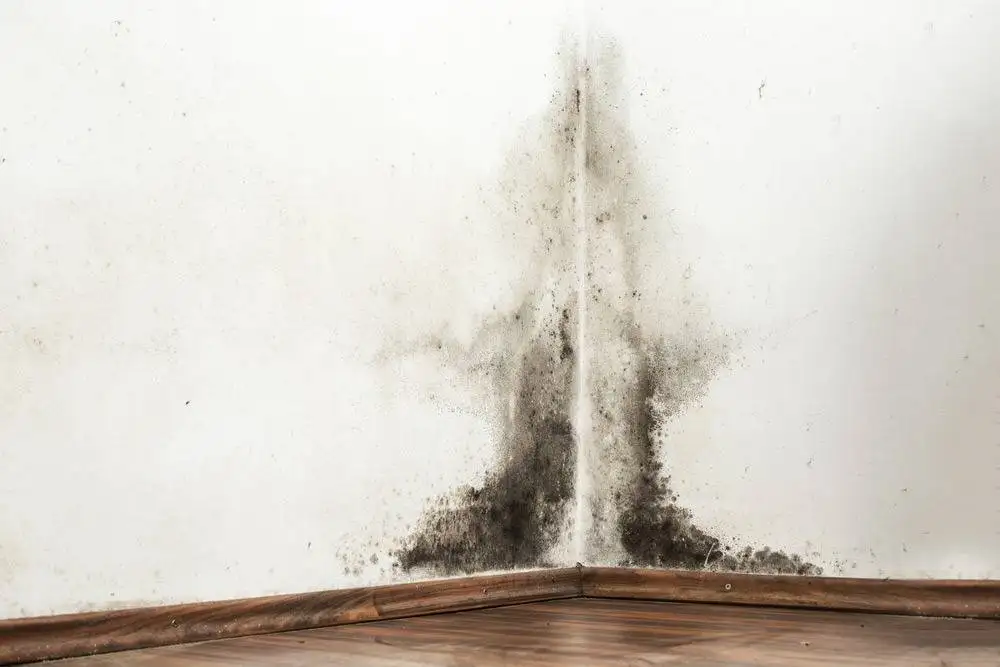
      • Mildew spores and hyphae

    Where to Get an Indoor Air Pollution Test in Phoenix

    Proper air filtration in your home’s HVAC system is the answer to biological contaminants.

    Howard Air & Plumbing’s HVAC technicians can help Phoenix homeowners find relief from poor indoor air quality. Contact us today to have your home assessed for indoor air pollutants and learn about our steps to remove them.

  • Why Won’t My Heating System Turn On?

    Why Won’t My Heating System Turn On?

    Why Won’t My Heating System Turn On?

    One of the most common, inconvenient, and frustrating problems of homeownership is a heater that won’t turn on when the temperatures begin to drop. Although a more serious issue may cause a heater that will not turn on with your HVAC system, there are a few simple things that can cause a heater not to turn on in your house. Keep reading for some tips to troubleshoot a heater on the fritz.

    Check the Thermostat

    If your unit is not turning on, you may be experiencing issues with your thermostat. There are many factors that can cause a malfunctioning thermostat. The first step would be to check if there is power going to the thermostat. Occasionally, a storm can knock the breaker to the unit. Make sure that if your unit is connected to the breaker, it’s receiving power. Also, it is important to check that the furnace door is closed. Some units have a switch inside the door that will signal a power shut-off if left open. If your thermostat is battery operated, try replacing the batteries.

    Once you have established that there is no issue with power in the thermostat, check the temperature settings on the unit. Make sure that the unit is set to heat and that the power settings on the unit are appropriate. If the unit is receiving power and the settings are correct and the furnace will not turn on, it may be another issue.

    Check the Filter

    Another common cause of a heater that won’t turn on is an old, dirty or broken air filter. The experts at Howard Air & Plumbing recommend replacing your air filter regularly to keep your furnace running efficiently. A dirty, broken, or old filter can cause the unit to heat improperly or prevent it from starting. Simply replace the filter and see if the furnace turns on.

    Check the Air Flow

    Maybe your heater unit is functioning, but there is no air flowing into the rooms. This can indicate that perhaps your air register may be closed. Confirm that the appropriate air registers are open and that air is flowing consistently from them. If the air registers are open, but there is no airflow, the blower in the furnace may have malfunctioned. Ensure that the motor belt is in good condition. If cracks or frays are noticeable, it’s time to replace the motor belt.

    Igniter or Pilot Light

    If your unit is connected to gas, your pilot light may not be lit, or you may have a faulty or dirty light. This may be the case if the thermostat is operational but the heat hasn’t come on. Many homeowners prefer to contact a professional when addressing issues with the pilot light, but you can carefully fix a dirty pilot light yourself if you feel comfortable.

    First, shut off the gas to the unit. Open the front panel to access the pilot light. Remove the pilot light from the unit after consulting the user’s manual. Once the pilot light is out of the unit, use mid-grade sandpaper to carefully remove debris that may have built up on the light. Place the light back in the unit, put the panel back on, and restore the power to the unit. If the ignitor remains unlit, it is important to contact a professional to diagnose and fix the issue.

    Heater Not Turning on in Phoenix?

    If you have tried these simple troubleshooting tips and your heater still won’t turn on, it’s time to contact the professionals at Howard Air & Plumbing. When the temperatures start to drop, don’t get left in the cold!

    The experts at Howard Air & Plumbing are available to assist you with all of your HVAC and furnace service needs. Howard Air & Plumbing has been the consumer’s choice in Phoenix for over 40 years, from a faulty pilot light to routine maintenance.


    Featured Image: Carlos Amarillo/Shutterstock

  • My Central Heat isn’t Working, but the AC is… What Gives?

    My Central Heat isn’t Working, but the AC is… What Gives?

    Updated: January 29, 2023

    Most homeowners in Arizona appreciate the importance of having their HVAC systems working perfectly. Sadly, at some point, you may realize that your AC is working, but the central heat is not. You need to know that this problem is not unique to you. An experienced HVAC contractor can fix this problem but before contacting one of these repair guys, let us first look at the common causes of this issue, shall we?

    4 Reasons Why Your Central Heat is Not Working

    A Faulty Thermostat

    A faulty thermostat_Howard Air
    Photo By Lopolo on Shutterstock

    You need to start by checking if your thermostat is powered and working properly. Try turning on the thermostat and adjusting the temperature so that your HVAC is turned on. If it fails to come on, check the circuit breaker and ensure that the switch is functioning properly. If you find that it had tripped, turn it back on. This should fix the problem.

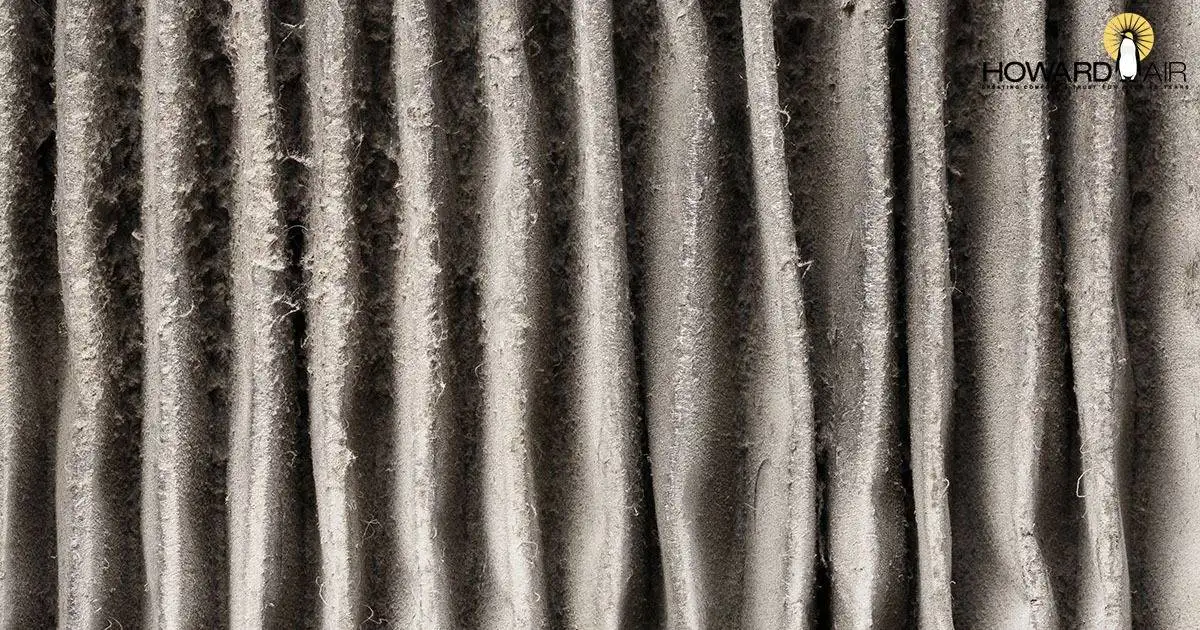
    Clogged Filters

    Clogged filters_Howard Air
    Photo By 7th Son Studio on Shutterstock

    The HVAC has coil air returns which help in filtering the air coming into your home. You need to clean these filters at least twice a year. However, depending on the usage of the system, you may need to clean the filters more than twice in a year.

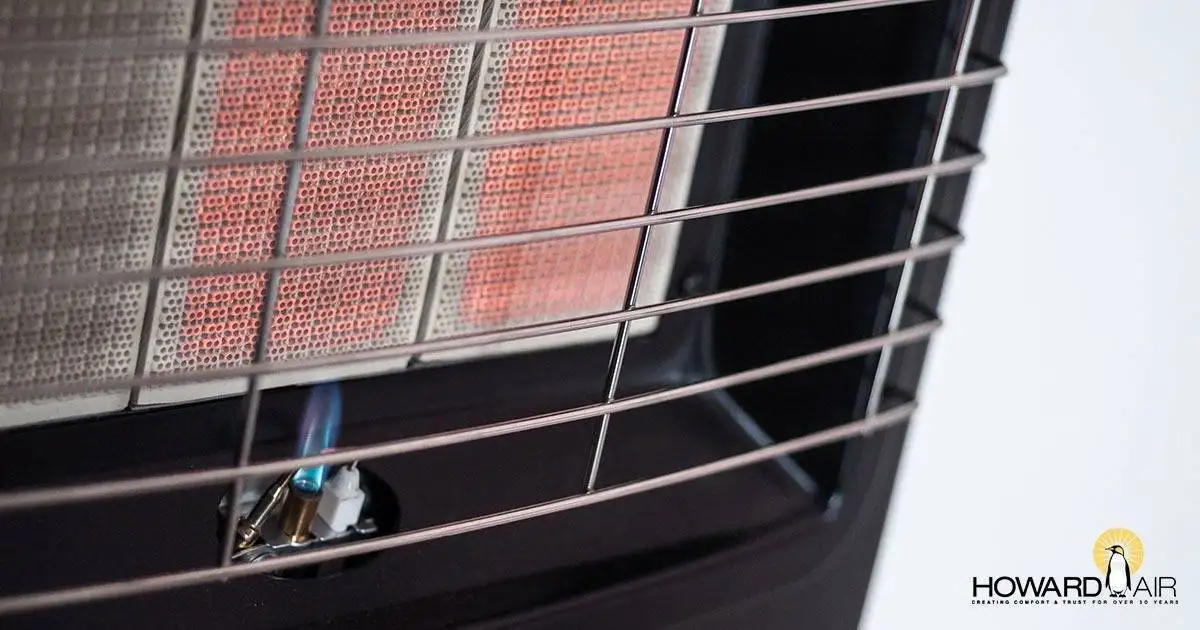
    Pilot Light or Igniter Problems

    Pilot light or igniter problems_Howard Air
    Photo By Pfeiffer on Shutterstock

    If your central heating unit uses gas or propane, then it is essential to check if the pilot light or igniter is operational. If you discover that the heat does not come on even after you have reset the thermostat, you should then shut off the gas and verify if you have gas, then reset the igniter. If you have gas and the igniter still fails to light after the reset, you should consider replacing the igniter or calling an HVAC repair technician to help check your central heating unit.

    Poorly Maintained Furnace

    Poorly maintained furnace_Howard Air
    Photo By Charles Knowles on Shutterstock

    It is common to find that the central heating stops working abruptly. This is often caused by the furnace detecting some problems which can easily be corrected through regular maintenance by an HVAC repair technician. Routine furnace maintenance is necessary because it will ensure that:

    • Motors spin with no resistance
    • The furnace does not experience too much stress
    • The central air system stays in perfect condition and gives you service for longer.

    Speak to the Professionals

    At Phoenix-based Howard Air & Plumbing, we are committed to ensuring that our clients’ central heating works perfectly. Our experienced team of HVAC repair technicians has the expertise needed to handle a wide range of central heating-related problems. Contact Howard Air & Plumbing today and schedule a repair or routine maintenance.

    Featured image: stefanolunardi on Shutterstock

    Main Contact Form

    "*" indicates required fields

    This field is for validation purposes and should be left unchanged.

  • Cheapest AC Units for Phoenix Homes

    Cheapest AC Units for Phoenix Homes

    If you’re a homeowner or a commercial building owner looking to replace an AC unit on the cheap, at Howard Air & Plumbing we understand that value is at the top of your list of concerns. You’re not alone! Generally, our customers tell us that saving money is one of the most important factors when choosing a new air conditioner, and they ask lots of questions about which variables are worth a little flexibility in order to stay within budget.

    Spending less money doesn’t have to mean compromising on quality. You can outfit your home or commercial property with an excellent air conditioner, even if that unit comes from an economy line of products.

    Tips On Buying an Inexpensive Air Conditioning Unit

    Here are a few tips to help you pick through the options as you select an inexpensive, quality air conditioning unit for your home.

    1. About half of your home or business’s energy consumption comes from heating and cooling (primarily cooling in the Southwest). We like to talk to our customers about using Energy Star-rated systems, because they will cost less in the long run. Remember, the cost of cooling your home over time is part of that budget, too!
    2. The efficiency of your AC unit is measured in SEERs. A higher SEER means a more efficient unit, and more savings in utility costs.
    3. Rebates are one way that most major manufacturers keep prices competitive, so talk to us about what’s available at the time of your purchase. Sometimes, those rebates are large enough to make the difference if you’re on the fence between two different models.

    5 Cheapest Priced, Yet Reliable Air Conditioners

    We’ve developed a list of cheaply priced air conditioner brands and units that we believe provide the most bang for your buck, based not only on price but on features and on our personal experiences in servicing, repairing, and maintaining these exact units.

    1. Carrier Comfort Series

    Howard Air - Cheap AC Unit for Sale (Carrier)

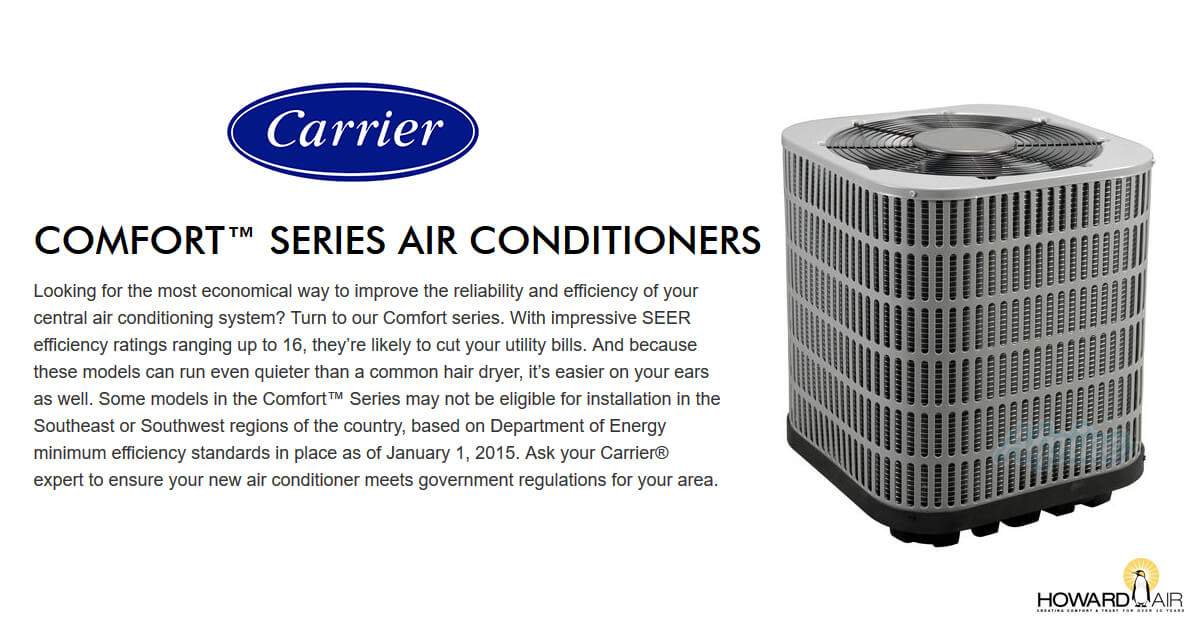
    With SEER ratings ranging as high as 16 and sound as low as 72 decibels, it’s easy to see why the Carrier Comfort Series is at the top of its game. Plus, several models in the line are Energy Star-rated, and our experience as a certified Carrier installer means we proudly stand behind this brand.

    2. Trane XR13

    Trane’s economy line of air conditioner units brings energy efficiency at a lower price point. A SEER rating of 14.5 and a 10-year limited warranty are major selling points, and we like the optional advanced air filtration for customers with allergies, or for those who just want to cut down on household dust and pollen.

    3. Rheem Classic Series

    Rheem has some terrific, industry-leading technologies that our customers seem to love – from composite base pans and exceptionally quiet mufflers to nice looking units, which is a must if you’re worried about curb appeal or want to be sure that your outdoor unit blends seamlessly into the architecture of your property.

    4. Ruud Achiever Series

    We like working on Ruud units because they’re designed to allow for easier service. That said, it’s ironic how little service they need! 13-15.5 SEER, quiet operation, and a small footprint are popular features for this line. See more inexpensive Ruud ACs here.

    5. Lennox Merit Series

    The Merit series, like so many other economy AC series, is a compromise on price, not quality! Five-year limited warranties are automatic, but talk to us about an extended 10-year warranty for a full decade of peace of mind.

    Other Options

    You also have the option to finance your new air conditioner through Wells Fargo. Simply click the image below to learn more.

    [the_ad id=”8377″]

    For Over 30 Years Howard Air & Plumbing Has Been Installing New AC Units in Phoenix

    At Howard Air & Plumbing, we are ready to use our 30-plus years of experience to help you choose the right AC unit for your needs at the right price. Talk to us about additional recommendations based on factors like the size of your home, number of windows, and your family’s personal preferences. We’re here to help! Click here to contact us or call (623) 201-5153 today.

  • Furnace Fan Not Working? Learn to Troubleshoot a Broken Furnace Blower

    Updated October 16th, 2024

    During the wintertime in Arizona, our service technicians often get calls from frustrated homeowners who have recently discovered that their furnace blower is not working. While we’re always happy to help these homeowners, the problem is often something that they can easily fix themselves. So, in an effort to save you the time and expense of a service call to your local HVAC contractor, we’re providing you with some basic furnace blower troubleshooting tips.

    What to Check When Your Furnace Fan Won’t Turn On

    Howard Air Furnace Not Working - Repair Company

    Start simple and work your way up to the real challenges. Take these three steps as soon as you realize that your furnace isn’t working:

    1. Check to see if the furnace circuit breaker has tripped. If it has, reset and allow time for a normal heating cycle.
    2. Check to see if the thermostat is set appropriately. If set too low, you may be cold but your furnace thinks everyone is cozy at 50 degrees.
    3. Always check the furnace filter. It should be cleaned or replaced monthly during the heating season. A clogged filter can drop airflow so much that your home’s ductwork shakes or your furnace overheats without sending the heat into your home.

    Is the Air Cold or Warm?

    If after trying those three steps you still are not warm, you need to feel the difference between cool airflow and no airflow. A furnace blower motor that stops pushing warm air out is not the same as a blower that is forcing only cold air into your home.

    If you have cool air but a steady airflow, your blower motor is working but your heat exchanger or burner is not. Check the furnace flame for a completely blue color. Any yellow, red, or orange indicates dust and dirt buildup on the burner. Inspect the heat exchanger for cracks, which can cause a safety hazard.

    Finally, Test the Blower Fan

    Howard Air Furnace Not Working - Help

    Furnace Fan Still Not Turning On? Get Help from a Professional

    You tried all these possible solutions and still have no air blowing? Now put your furnace’s blower fan to the test. Start by turning the furnace off, turn your thermostat to “fan only,” and wait a few minutes. If you see or hear the fan turn on, your blower motor is not the culprit. If the fan does not start, you have a wiring issue (circuit breaker trips) or motor problem (circuit breaker does not trip). While your thermostat may be at fault, only an HVAC technician can diagnose and remedy the issue correctly. Time to call in the experts!

    If you still have trouble with your furnace, contact the friendly folks at Howard Air & Plumbing. We have experience in fixing a homeowner’s “fixes” that do not quite hit the mark. We can get your furnace blower motor working again safely, quickly, and reliably.

    See also: Best residential furnace to buy

    Main Contact Form

    "*" indicates required fields

    This field is for validation purposes and should be left unchanged.