Author: admin

  • How Does a Ductless Air Conditioner  (Mini-Split) Work?

    How Does a Ductless Air Conditioner (Mini-Split) Work?

    Updated July 28, 2020

    Technology harnesses the basic research of science to produce wondrous tools to make our lives better. One such technological innovation is ductless air conditioning. Largely replacing the bulky exterior and interior units of traditional central air conditioning, a mini-split system delivers plenty of cool, comforting air, but with a much smaller footprint.

    What is a Ductless Air Conditioner?

    How Does a Ductless Air Conditioner Work-Howard Air

    Ductless air conditioners, you might say, were designed with an eraser. Starting with a central air conditioner, engineers whittled the design down to its essence: an interior air handler, an exterior compressor and a refrigerant line between the two. No ducts!

    A ductless air conditioner is ideal for homes with additions, conversions of previously uncooled spaces (like a garage) or for areas where your traditional central air conditioner just cannot deliver cool air.

    What Are the Components of a Ductless Air Conditioner?

    1. Interior Evaporator Coil

    Circulate cool air in a single room with an Interior Evaporator Coil-Howard Air

    A ductless mini split system includes an interior head, generally mounted on an exterior wall of a bedroom, living room or other untreated space. The interior head has a small evaporator coil and a powerful fan that circulates cool air throughout the one room or small area the ductless system is intended for. Ductless heating and cooling is not designed to be a whole-house solution.

    Hot room air passes over the evaporator coil and is cooled by the refrigerant (which absorbs the heat and passes it to the outside).

    2. Exterior Compressor and Condenser

    Heat in the home is sent to the outside using an Exterior Compressor and Condenser-Howard Air

    The interior head is connected by a small-diameter refrigerant line and flexible tube to a very small exterior unit that serves the same purpose as its bigger brother, the compressor and condenser of a central air conditioner.

    The heat captured in the refrigerant line by the interior head is fanned out into the outside air. Unlike a heat pump, a ductless air conditioner operates in one direction only: heat from inside the home is removed, while cool air is circulated.

    Is A Mini-Split System a Whole House Solution?

    Using many interior heads, a whole house could be cooled and heated with a ductless system. Call Howard Air today.With enough interior heads, and possibly more than one exterior unit, you can cool a whole house with ductless air conditioners. Some Phoenicians prefer this method to a single, central air conditioner as each space can be cooled to individual taste.

    About Those Ducts

    Learn More About Those Ducts-Howard Air

    Retro-fitting an Arizona home or business with traditional central air conditioning requires extensive ductwork. This may not always be feasible, since the ducts have to run through walls, ceilings and across attic spaces. Ductless mini-split air conditioning avoids all that potentially disruptive work.

    Schedule an Appointment Today

    To learn more about the advantages and costs of a ductless air conditioner, please contact the professionals of Howard Air & Plumbing today. We can arrange for you to meet with a helpful representative to examine your home, advise you on the location and number of interior heads, and explain how the system would work for you.

  • What is the Best Time to Buy an Air Conditioner?

    What is the Best Time to Buy an Air Conditioner?

    Prepare for the Heat When it’s Cold Out

    People often assume AC companies in Phoenix spend the winter months throwing pencils into the ceiling tiles in our offices. Although that may be true for some lesser contractors, this is not the case at Howard Air & Plumbing. We know what smart consumers know: The best time to buy a central air conditioner, and have it expertly installed, is during the heating season.


    Weather Wise

    During Phoenix’s cooler months, central air conditioners are not in use and not on people’s minds. This means end-of-model-year units may be available from contractors at a discount. It also means installation costs may be lower, since you are not competing for contractor time as you would be during the busier summer cooling season.

    Even big-ticket items like air conditioners yield to market forces. The best time to buy an air conditioner is when nobody else wants one. Putting in central air conditioning is just as easy for the expert technicians of Howard Air & Plumbing in winter as it is in summer – Phoenix officially gets no snow, after all – so winter, when our crews are not rushing from AC repair job to repair job, is a great time to schedule your purchase and installation.


    Penny Smart

    Off-season is also great because you have plenty of time to research your purchase, get competitive bids from several contractors and work out financing and other terms with your contractor of choice. Howard Air & Plumbing, for example, offers special financing with approved credit on some central air conditioning systems.

    If “buy air conditioning unit” is on your late summer to-do list, you can actually be rewarded for procrastinating by taking the time to inspect models, read the contract carefully and negotiate the best price.


    Always Perfect Installation

    Winter is also a good time for central air conditioning installation because technicians will not be rushed to finish the job so they can be off to other calls. They can take extra time to balance your system, ensure smooth and correct charging, program your thermostat, and more.

    A key part of efficient central air conditioning operation is operator education. Because the off-season is less rushed, our expert representatives can take the time to teach you how to most efficiently use your system. They can walk you through routine homeowner maintenance like filter changes and condensate line inspection.


    Get Started Today

    For year-round service and installation, please contact the best in Phoenix air conditioning company, Howard Air & Plumbing. We will be happy to arrange off-season sales and installation of a central air conditioner for your Phoenix-area home, or work around your schedule even during the busy cooling season.


  • How Often Should I Change My Air Filter?

    How Often Should I Change My Air Filter?

    Replacing Your Home’s Air Filter

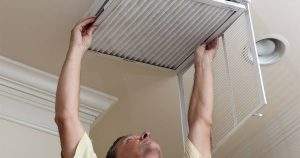
    After the installation and careful balancing of a new central air conditioning system, many of our customers ask us, “How often should I change the air filter?” No one answer fits every household, but in general you should change your air filter monthly during cooling season, but more often under some circumstances. If you have a forced-air furnace, with the same question, “How often to change air filters,” you get the same reply: monthly, except


    Monthly

    How often should I Change the Air Filter Howard Air

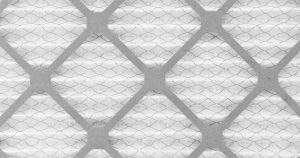
    Most disposable air filters work primarily on the leading surface of the filter. Few particulates get much past the first few millimeters of the spun filter material, so the surface area for airflow starts to diminish as soon as the filter goes into service. This means after some 30 days of day-in, day-out filtration, your disposable filter is clogged at the surface (though the back side of it may appear spotless).

    Since dirt and debris inhibit airflow, the more frequently you change your air filter, the happier your system will be. It will last longer, need fewer AC repairs, provide more efficient service and cost you less to run. Disposable filters are a few dollars each; your central air conditioner or Phoenix furnace system is an investment worth thousands.

    Spend a bit now and again to save over the life of your system. You will also face lower maintenance costs for the heavier hardware with these regular outlays on the least expensive part of your cooling system.


    More than Monthly

    What is the best Air Conditioning Company? Howard Air in Phoenix, AZ! Call us today! (480) 648-0055.If your home faces the following circumstances, consider replacing your filter every three weeks, or even more often, for maximum comfort:

    • Indoor Air Quality: If you face odors, stale air, smokers or other challenges to clean indoor air, replace your filters frequently.
    • Pets: Pet dander can be swept up and caught on the filter, adding to rapid buildup; consider biweekly (every two weeks) replacement.
    • Crowded home: A lot of people under one roof will tax a filter.
    • Surrounding air: Poor outdoor air quality means particulates come in on clothes and shoes, adding to the filter’s work.
    • Special needs: Homes with allergy sufferers or family members with compromised respiratory systems should even consider weekly filter replacement or cleaning.


    Less Often?

    Air Filter Replacement tips from Howard Air. What are the best kinds of filters for HVAC?

    For homes with no pets, vacation homes, homes with only a single occupant or homes surrounded by pristine air (at mountain elevations, for example), you can get away with filter changes every six to eight weeks.


    Ask the Experts

    Air filter replacement need not be guesswork. Contact one of the best Phoenix air conditioning companies, Howard Air & Plumbing, for a professional consultation. We can teach you how often to change air filters and assess your home’s indoor air quality.

  • What are the Different Types of Ductwork?

    What are the Different Types of Ductwork?

    Some of our Phoenix readers may be surprised to learn about the different types of ductwork running inside their homes. Many folks have seen exposed, rectangular-profile metal ducts in businesses and assume those are the only type of ductwork in use. When paying an HVAC contractor to install ductwork for central air, you will quickly learn of the many types of air ducts, each useful in certain installations.

    No One Size Fits All

    No One Size Fits All Howard Air ductwork

    Ducts come in different materials, profiles and sizes. Ducts can be flexible or rigid. They can be metal, plastic or combinations of materials. No one size duct fits all applications. The many HVAC duct types have been developed to fit the many situations HVAC installers encounter in Phoenix-area homes.

    Sheet Metal

    Sheet Metal Howard Air ductwork

    HVAC contractors have relied on 30-gauge galvanized steel ducts for decades. It is still the stuff of spy movies (folks crawling through ducts), but is expensive and challenging to install. For most homeowners, new construction will not use metal ducts except for, possibly, a main trunk.

    Sheet metal ducts can have fiberglass insulation either inside them or around their outsides, greatly increasing their energy efficiency while reducing noise. If the insulation is inside, it is susceptible to holding moisture and airborne contaminants.

    Flexible Ducts

    Flexible Ducts Howard Air ductwork

    A Phoenix home with a main supply trunk of sheet metal may have flexible ducts branching off it. Each room should have a supply line sized for its air volume, so flexible ducts come in many diameters. They are built using flexible plastic around a wire coil and covered in thick insulation. They can be fitted rapidly, hold their shape well and can be secured easily.

    Flexible ducts need support, however, so a high-quality installation will not leave ducts simply draped around an attic or crawlspace.

    Duct Board

    Duct Board Howard Air ductwork

    Imagine fiberglass insulation – the kind you see in attics, between the joists – stiffly adhered to a foil or fabric layer. That is duct board, which is not particularly strong but does insulate extremely well. The insulation is on the inside, so it can trap dust and contaminants. Duct board can solve installation dilemmas, but must be installed with care.

    No Duct Tape!

    No Duct Tape Howard Air ductwork

    Though “duct tape” seems to be named as an accessory for home ductwork, no good contractor uses it. Instead, expect and insist on mastic or metal tape. “Duct tape” is intended for temporary fastening and does not guarantee secure seams and fittings.

    To get the complete story on the right ductwork for your Phoenix-area home, contact the professionals of Howard Air & Plumbing. We can advise on new construction, inspect your existing ductwork and make repairs to leaky ducts. Contact us today, and be sure to ask about our duct cleaning specials!

  • What Size Furnace Do I Need?

    When you hire a heating, ventilation and air conditioning (HVAC) contractor to install a new furnace, your first thought probably is, “What size furnace do I need?”

    Heating equipment sizes depend on many factors, so your contractor should not simply look at the old furnace and match its size. This article can serve as a brief furnace buying guide, so you know what to expect from your HVAC contractor.


    ACCA

    The Indoor Environment & Energy Efficiency Association, known as ACCA (as it was once the Air Conditioning Contractors of America), publishes the industry standards for measuring furnace sizes.

    Any reliable contractor should be using ACCA Manuals J, D and S. These guide the measurement of furnace heat load, running of ductwork, and selecting the right furnace size.  Using the manuals correctly will ensure that you receive the correct furnace size for your property’s needs.


    New Beats Old

    Suppose your old system used 100,000 BTUs to produce 65,000 BTUs to heat your Phoenix home. Modern, 80 percent efficiency furnaces available today can produce those same 65,000 BTUs from only 82,000 BTU input.
    Smaller, more efficient furnaces will save you money in two ways:

    1. Original purchase price
    2. Annual energy savings


    Bigger is Not Better

    To keep costs lower, do not super-size the heating system. Furnace sizes are chosen by mathematics and measurements, not by whim. Buying a 100,000 BTU system when you only need 65,000 BTUs leads to expensive problems, such as:

    • Short cycling
    • Rust deposits
    • Heat exchanger damage
    • Frequent repair and tune-up service calls
    • Shorter furnace life


    Contractor Homework

    Your local, reliable HVAC contractor will measure and assess your Phoenix home. Calculations from ACCA Manual J must include many factors, including:

    • Condition of weather-stripping and caulking
    • Condition of chimney and liner
    • Condition of existing ductwork
    • Levels of insulation
    • Number of windows and doors
    • Square footage

    These are all entered into data tables with ACCA’s Manual J, giving reliable, scientific measurements of heat loss and heat gain in a home. These measurements lead to the design of optimal ductwork from Manual D.

    At this point, the HVAC contractor may advise rerouting ductwork for maximum efficiency in running the system and saving fuel costs for years to come.


    Furnace Sizes

    ACCA’s Manual S should be used by the contractor to select the correctly-sized heating plant to efficiently and economically heat the home. A rough estimate is to provide 40 to 50 BTUs per square foot in the home for the Phoenix area.

    As a guide, consider a 2,000-square-foot home in the Valley of the Sun. Multiply the BTU range and you get a minimum of 80,000 BTUs and a maximum of 100,000 BTUs.

    An 80-percent efficient furnace rated at an input of 100,000 BTUs will produce 80,000 BTUs, matching the lower range of the estimate. Gas models exist that offer over 90 percent efficiency, so you can still get the 80,000 BTUs using only a 90,000 BTU input furnace.


    Howard Air & Plumbing

    Generally, larger furnaces cost more than smaller units. With unique installation requirements, only your contractor can give you a firm estimate of the final costs.

    For accurate, professional advice on the right size furnace for your Phoenix-area home, contact us at Howard Air & Plumbing. We are ready to help you today.

  • What is Involved in HVAC Preventative Maintenance?

    What is Involved in HVAC Preventative Maintenance?

    Some Arizonans enjoy tinkering with their cars, but would hesitate to, say, rebuild their transmissions. They know not to cross a certain line. The same is true with Phoenicians’ homes.

    Sure, you can change a door lock or rewire a lamp, but do-it-yourself HVAC maintenance is ill-advised. Once you learn what is involved in HVAC preventative maintenance, you will understand why we ask you to trust your air conditioner maintenance to the experts at Howard Air & Plumbing.

    HVAC Maintenance

    Howard Air - What's Involved in HVAC Preventative Maintenance? - Service

    Typically, our highly trained, NATE-certified technicians dispatch to customer’s homes with a well-equipped truck, diagnostic equipment, small supplies and replacement parts, and a wealth of knowledge.

    Though systems vary slightly, our technicians typically will perform the following air conditioner preventative maintenance services:

    • Check thermostat settings and, if battery-powered, test the battery;
    • Tighten all electrical connections; since faulty electrical connections are unsafe, leading to arcing and, possibly, electrical fires;
    • Measure voltage and current on motors;
    • Lubricate all moving parts to reduce friction and extend equipment life;
    • Check and visually inspect the condensate drain – a clogged drain will cause water damage and increase indoor humidity;
    • Deliberately throw safety mechanisms to check controls of the system for proper and safe operation;
    • Check startup of cooling equipment to assure the system starts, operates and shuts off properly;
    • Clean evaporator and condenser air conditioning coils, since dirty coils rob your system of efficiency and energy;
    • Check refrigerant level and adjust if necessary (either adding or removing refrigerant as needed and legally required);
    • Clean and adjust blower components to provide proper system airflow, increasing your personal comfort and saving energy.

    This is a far more extensive list than any homeowner could casually perform. In addition, your NATE-certified technician will inspect and clean permanent air filters, or replace disposable ones. This sort of routine maintenance can add years to your Phoenix central air conditioner.

    More Than AC

    Howard Air - What's Involved in HVAC Preventative Maintenance? - Heating

    Keep in mind any work on your home’s HVAC must include the heating and ventilating part of the H-V-AC label. Your furnace and air handler are crucial to year-round comfort, so trust Howard Air & Plumbing’s service personnel to keep all systems go with every service call. For example, if you have a furnace tied into your home’s ductwork, the technician will check your:

    1. Gas connections to ensure safe operation;
    2. Gas pressure for optimum efficiency;
    3. Burner and igniter components;
    4. Heat exchanger, checking for cracks or build-up that could be dangerous.

    Contact Howard Air & Plumbing for HVAC Maintenance Help Today

    For superior HVAC preventative maintenance, please contact us at Howard Air & Plumbing today. We can work around your schedule to ensure your system performs at peak energy efficiency, cleanly, without overworking your equipment. Remember to always look for our NATE-certified, uniformed technicians in clearly labeled trucks so you know you are dealing with HVAC professionals.

  • How Are Air Ducts Cleaned?

    How Are Air Ducts Cleaned?

    When you see advertising for duct-cleaning services, do you ever ask yourself, “Exactly how are air ducts cleaned?” Many folks in Arizona rightly pride themselves on having a can-do attitude. What can a professional company like Howard Air & Plumbing do that you cannot do for yourself?

    The Need for Duct Cleaning

    Howard Air - How Are Air Ducts Cleaned - Insects

    If you are not certain of the need for air duct cleaning, you may need a little convincing that the dirty air ducts in your Phoenix-area home are wasting energy and costing you money. Consider, though:

    1. Clogged air ducts rob your furnace and central air conditioner of full efficiency and air flow;
    2. Clogged ducts may have insect parts, rodent droppings and other biological contaminants in them;
    3. Dirty air ducts may increase family members’ allergic reactions or asthma attacks.

    Do It Yourself?

    Howard Air - How Are Air Ducts Cleaned - DIY

    If you look up “how to clean air ducts” on the internet, you will find countless pages asking you to open up access panels, stick your head inside your ducts and vacuum them out. This may work for the few areas you can reach, even if you have to pop off registers and vent covers, but it does nothing for the vast majority of the cubic footage of your ductwork.

    By enlisting the help of trusted professionals like Howard Air & Plumbing, you can avoid trying to get inside your ducts to do the job yourself. You will also get better results by leaving duct cleaning in the hands of trained professionals.

    How the Pros Do It

    Howard Air - How Are Air Ducts Cleaned - Professionally

    Professional duct cleaning begins with having the right equipment. Using specially made blowers, vacuums and brushes, our technicians can get to every part of your home’s ductwork. The best way to remove dust, insect parts, droppings and other allergens is through negative pressure — literally sucking the dirt, grime and dust from the interior surfaces of your ducts and into our vacuums.

    The other aspect of professional duct cleaning is the extensive training our technicians receive. They know cleaning the ducts is one part of the complete picture. Our trained technicians will clean your system’s air filters at the same time, providing a complete service unmatched by amateurs.

    See also: How often should I have my air ducts cleaned?

    Have Your Air Ducts Professionally Cleaned Today!

    If you have concerns about indoor air quality, family medical issues, or wear and tear on your central air conditioner and furnace, contact Howard Air & Plumbing today. We can explain our methods and set up an appointment to get you breathing right. Be sure to ask about our duct-cleaning specials!

  • What You Need to Know about Arizona Air Quality

    What You Need to Know about Arizona Air Quality

    Life in Arizona is great – we enjoy the beautiful outdoors, magnificent sunsets, abundant sunshine and more. Unfortunately, folks living and working in the Phoenix area also tolerate some extremely poor air quality.

    Arizona air quality has always had some natural challenges, which is why the Arizona Department of Environmental Quality (AZDEQ) exists to protect Phoenicians and others statewide, but those problems have grown in recent years.

    A Little History

    What You Need to Know About Arizona Air Quality: EPA

    Since at least 1990, Phoenix has been on many air quality organizations’ radar for its poor outdoor air quality. The Environmental Protection Agency has charted Phoenix’s air quality since 1990 and identifies both coarse and fine particulate matter (PM10 and PM25) as major problems. The American Lung Association routinely gives Phoenix a grade of “F” in its annual reports.

    With growing development and continued commerce, Arizona’s air quality has only worsened over time. Today you can get an up-to-the-minute report from the AZDEQ that quantifies your risks from four major pollutants:
    1. Carbon monoxide (CO)
    2. Ozone (O3)
    3. Particulate matter 10 micrometers and greater in diameter
    4. Particulate matter 2.5 micrometers and greater in diameter

    Our unique geography forces heavy pollutants in the air to drop into the Valley area, while sprawl and Arizona’s natural attraction increases vehicle traffic. Though many people have moved to Arizona for health reasons, they bring with them a desire for familiar plants from “back home,” driving patterns they enjoy, and other activities that add to our outdoor air quality woes.

    Indoor Respite

    What You Need to Know About Arizona Air Quality: Feature

    For anyone facing respiratory issues, compromised immune or pulmonary systems, or severe allergies, Arizona’s air quality may drive them indoors. With careful installation and maintenance of HVAC systems, the indoor air quality in your business or home can be greatly improved.

    By combining expert air duct cleaning with conscientious annual maintenance of your system’s filtration, you can greatly improve your indoor air and drive down symptoms of allergies, pollutants and eye irritants.
    Howard Air & Plumbing’s trained technicians can assess the current condition of your ducts in your home or office, evaluate your HVAC filters and expertly clean both. We use state-of-the-art vacuum and brush systems on your ductwork. We use a full array of antimicrobial agents to keep permanent air filters clean, and we carry most sizes of disposable air filters on our trucks.

    You have few options for changing the outside air quality of Arizona, but you can partner with Howard Air & Plumbing to get your ducts cleaned in your home or business. Contact Howard Air & Plumbing today to learn more about air duct cleaning, and to schedule an appointment so everyone can breathe easier.

    Save

  • How to Fix a Frozen Air Conditioner

    How to Fix a Frozen Air Conditioner

    Arizona is famous for its hot days, and few people realize that this can lead to a frozen air conditioner. How is that possible?

    A common cause of a frozen air conditioner in Arizona is a blocked air filter, which restricts the airflow needed to keep condensation off the coils. Another common cause of is refrigerant leaks. As refrigerant leaks, it can condense on the coils or pool within the unit and freeze as the temperature drops.

    When an air conditioner is frozen, we recommend taking the following steps to fix the problem and get the cold air circulating again.

    How to Fix a Frozen AC Unit

    When an air conditioner is frozen, start by flipping the breaker and keeping it off until the condenser unit is thawed. This doesn’t take long in the summer.

    Once the ice on AC coils has melted, it is important to dry the coils and remove any moisture that has pooled around the unit. This helps improve efficiency and can reduce the likelihood that the unit will ice up again when it is turned back on. As you are doing this, remove any debris such as dirt, sand or leaves that may be blocking drainage channels.

    Before Switching Back

    How to Fix a Frozen Air Conditioner: Unit

    Before switching the air conditioner back on, set your thermostat so that you only turn the blower or fan on. This circulates air through the system and can help remove any remaining ice crystals within the coils. Another option is to use a hair dryer on low-heat to blow hot air along the outside of the coils. While it can be tempting to speed up the process and use a high-heat setting, this is something that should be avoided because it can crack the condenser coils and lead to costly repairs.

    Once you are confident that the ice has thawed, turn the unit back on and feel for the cold air blowing through the registers. If it is cool, then you know you have removed the ice and any blockages. If it is not, turn the unit off and go through the steps again.

    Contact Us About Your Frozen Air Conditioner

    How to Fix a Frozen Air Conditioner: Contact

    Is your AC unit iced up? All you need to do is contact the team at Howard Air & Plumbing  by calling (623) 201-5153. We know exactly how to fix a frozen air conditioner in Arizona and can help remove ice on AC coils. We will also thoroughly inspect your system so that the cool air keeps flowing throughout the season.

    Save

  • 5 Signs that It’s Time to Replace Your Air Conditioner

    5 Signs that It’s Time to Replace Your Air Conditioner

    How long does a central air conditioner last? In Maine, it could last a lifetime. In Phoenix, it may not last 15 years. Our hot desert climate and our usage all take a toll on air conditioners. Even if you had a system installed when you purchased your home, you may be facing replacement.

    Five Ways to Know Your Air Conditioner is On its Way Out

    These five signs could help you know the time is right to replace your central air conditioner.

    #1 Its Age

    Howard Air (Phoenix): 5 Signs its Time to Repace Your Air Conditioner - Age of Unit

    Around Phoenix, air conditioners work extra hard. Our air quality is a known problem, so filters become clogged, particulates damage interior parts and humidity levels fluctuate. Most homeowners run their central air conditioners longer in the Valley than elsewhere in the nation. All this combines to shorten life spans. The other benefit of replacing an older unit is improved energy efficiency, which leads to our second sign…

    #2 Your Energy Bills

    Howard Air (Phoenix): 5 Signs its Time to Repace Your Air Conditioner - Energy Bills

    If you notice your utility bills are climbing, your central air conditioner’s energy efficiency is dropping. You can expect this over time, but a sudden rise in costs could signal the system’s end. More modern central air conditioners can achieve far higher efficiency, as measured by Annual Fuel Utilization Efficiency (AFUE), with some models providing 98 percent AFUE.

    #3 Frequency of Repairs

    Howard Air (Phoenix): 5 Signs its Time to Repace Your Air Conditioner - Frequent Repairs

    Typically, Phoenix homeowners will have an annual service visit and perhaps one service call in a cooling season. If you are on a first-name basis with all the technicians repairing for your HVAC, your central air conditioner may be so far gone a new system is economically smart.

    See also: 5 things to check before calling an HVAC repairman

    #4 Your Family’s Comfort

    Howard Air (Phoenix): 5 Signs its Time to Repace Your Air Conditioner - Comfort

    Plain and simple, if your home is not comfortable no matter how often your HVAC repairman visits and adjusts your system, your air conditioner may be too old. High (or low) humidity, unreliable cooling or hot spots in your home all point toward an uncomfortable home.

    A recent change to your home, such as an addition, conversion of a porch to a sunroom or remodeling can affect performance. Your central air conditioner is sized to a specific square footage, so it cannot cool additional rooms.

    #5 Strange Sounds & Smells

    Howard Air (Phoenix): 5 Signs its Time to Repace Your Air Conditioner - Sounds & Smells

    Grinding, chattering or squealing noises are not typical in central air conditioners. If you hear odd sounds — or smell burning rubber, chemical odors or other unexpected scents — contact your HVAC contractor. Aging systems will develop many unusual conditions, so strange sounds and smells can indicate the end of your air conditioner.

    Need Professional Help? Howard Air & Plumbing is Here for You

    For a professional evaluation of your system, contact us at Howard Air & Plumbing. We can inspect, balance and diagnose your air conditioner, and give you realistic options regarding its future.