Author: admin

  • Furnace Maintenance Tune-up Checklist

    Furnace Maintenance Tune-up Checklist

    Regular maintenance is required to keep your home’s heating system working in optimal condition. An annual tune-up by an experienced professional technician will prolong the life of your heater and increase its efficiency, which will, in turn, lower your utility bills. If you need a heating tune-up in Phoenix, here’s what you need to know.


    When Should I Have My Home’s Furnace Serviced?

    Most heating system manufacturers recommend an annual tune-up. According to Angie’s List, it’s best to schedule service in the fall so the heater will be in peak condition in the winter months when you need to use it more often.

    If you’re not sure if your system is working as well as it should, remove the heater’s air filter and hold it up to the light. If the filter is no longer transparent, it’s time for a cleaning and system maintenance.

    The older your home’s heating system, the more critical regular maintenance becomes. In fact, you may even want to have a qualified technician come out for a tune-up every six months to extend the life of the unit and repair age-related problems quickly.


    What Is Included in Heater Maintenance Tune-up?

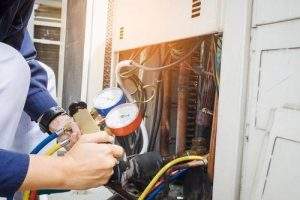
    The technician will visually inspect your heating system for leaks, corrosion, and other telltale signs of an issue that needs repair. He or she will also check the carbon monoxide detector, burners, flame sensor, and other system components to make sure they are working properly. The technician will replace your air filter if necessary and ensure that vents and ducts are clear.

    Depending on the type of furnace in your home and the age of the system, additional aspects of the heater service may include:

    • Calibrating the thermostat
    • Testing for proper exhaust venting
    • Making sure the ignition is working correctly and safely
    • Testing proper operation of circuit and safety controls
    • Adjusting the tension of the fan belt
    • Cleaning and lubricating motor air vents
    • Inspecting and cleaning heat exchangers and furnace burner
    • Cleaning the exterior of the system
    • Adjusting the gas pressure for peak efficiency
    • Measuring the operation of the blower motor
    • Lubricating all moving parts of the system
    • Inspecting electrical components of the system and tightening connections, if necessary
    • Checking for natural gas leaks
    • Cleaning and inspecting combustion vents

    What Are the Benefits of Regular Heater Maintenance?

    Proper maintenance of your heating system can keep minor problems from turning into major ones. Although you may be tempted to avoid the cost of a tune-up if your system seems to be working fine, undetected issues can eventually cause the heater to break down, resulting in costly repairs or even the need for system replacement.

    If your heating system is damaged, poorly vented, or otherwise faulty, it also creates a safety hazard for your family. Toxic carbon monoxide can leak into the home if the heating vents become clogged.

    Heaters that are still under the manufacturer’s warranty may require regular maintenance by a professional technician. If you skip this step or opt for DIY system maintenance, the warranty may no longer cover issues that arise with the system.

    Howard Air & Plumbing is proud to be your Phoenix home heating company. Not only have we been serving area homeowners for more than 40 years, but we also recently received the Torch Award for Ethics from the Better Business Bureau. When it’s time for heating system service, trust our comprehensive 44-point inspection.

    We service and repair all furnace makes and models and aim to return your heating system to factory specifications for optimal efficiency, performance, and safety. We also offer a no breakdown guarantee, which means that if your system breaks after service, we’ll fix it for free. Schedule your heating system and furnace maintenance online or give us a call today at 480-648-0055.

  • Why a Smart Thermostat is a Good Idea

    Why a Smart Thermostat is a Good Idea

    Thinking about buying a smart thermostat? In this article, we show you the answer to FAQs about smart thermostats:

    • What are the benefits of a smart thermostat?
    • What are the best smart thermostats of 2021?
    • What is a smart thermostat?

    Smart technology has made life easier in a lot of ways. Think about how much more convenient it is to pay bills online than to stand in line at the store. Can upgrading to a smart thermostat make your life better? For many families living in Phoenix, Arizona, and surrounding metro cities, the answer is a big “yes!” The benefits of a smart thermostat can help you enjoy every day more.

    Amazing Benefits of a Smart Thermostat for Your Home or Business

    1. Energy Savings

    To maximize your energy savings, you need to install a smart thermostat. According to Energy Star, you can save 8% or more on your total heating and cooling bills this way.

    Why use energy for a cold climate if no one is home to enjoy it? Instead, the system rests during the day and turns on automatically an hour or so before your family starts arriving. You still feel perfectly comfortable, but your energy bill is a lot lower at the end of the month.

    2. The Ability To Control Temps From Another Location

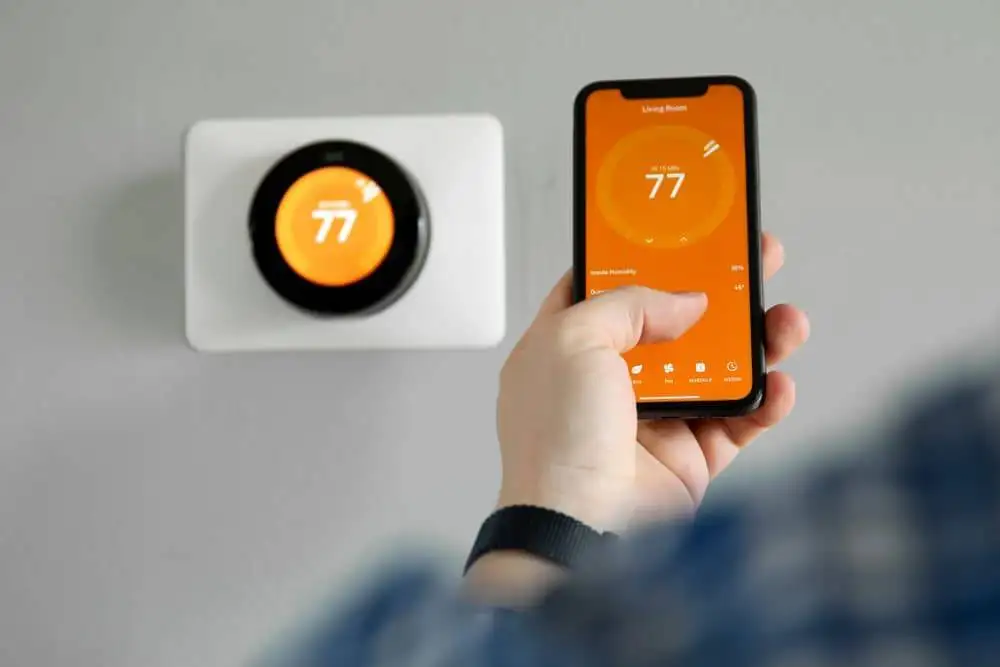
    One of the most significant benefits of an internet thermostat is that you can check home temperatures from anywhere. You can adjust them using an app at the office, on the highway, or while running errands.

    Has your day been really tiring, and you want to walk through the door to ice-cold temperatures? Just set the temperature you want before you start the commute home.

    Did you forget to turn down the AC before leaving on a weekend getaway? It’s not a problem. Do it from your hotel room.

    This is also great for snowbirds who spend winter in Phoenix and summer in a different state. You can always adjust the climate of either home, no matter where you are.

    3. Relaxation and Convenience

    Senior adults love the convenience that comes with having a smart thermostat. There are times when you feel too hot or too cold. Do you really want to have to get up from the couch or interrupt your favorite movie to mess with the thermostat?

    With a smart thermostat, you can use a simple app from your tablet or smartphone to adjust the climate. Or, if you have a home assistant such as Alexa, you can change the temperature with a voice command like “Alexa, make it a little warmer in here.” This is a feature people of any age enjoy.

    4. Custom Temperature Programs

    One of the best benefits of a smart thermostat is creating custom temperature programs for your home. This can help you sleep better at night and make you feel more comfortable in the morning, too.

    For example, some people go to bed feeling hot, but get cold at 3 or 4 o’clock in the morning. With a smart thermostat, you can program your AC to adjust to your preferences. A nice, cool bedroom can help you fall asleep, and then the temperature gradually warms up a bit towards morning so you don’t have cold feet.

    5. Automatic Climate Control

    Temperature is one of the main factors you can control with your thermostat, but it’s not the only one. You can also keep an eye on humidity, air quality and even weather reports. Some smart thermostats are designed to adapt to these conditions automatically, adjusting to seasonal changes, storms, outdoor contaminants and more to keep your family safe and comfy. Learning systems get to know your preferences and automatically. The goal is to give your home the ideal temperature without you having to worry about a thing.

    6. Easy HVAC Maintenance

    How often should you change your HVAC air filter? When does your air conditioner need preventative maintenance? With smart thermostats, you don’t have to ask these questions anymore. The system lets you know automatically when its time to replace the air filter or call a repair technician.

    This provides other benefits, too. It’s cheaper to take care of minor issues before they turn into big problems. By calling our HVAC experts in Phoenix, Arizona, right away, you save money and keep your central air unit in great condition for a long time.

    The Best Smart Thermostats of 2021

    Now that you know the benefits of a smart thermostat and how amazing it can be, which model should you choose? That depends on a few factors, such as your budget, lifestyle, and the features you want. Here are our favorites for 2021:

    • Nest Learning Thermostat (3rd Gen): This is a great choice for people who don’t want to worry about programming anything. It has advanced learning to adjust home temperatures automatically, in addition to geofencing for adjusting the temperature based on your location.
    • Honeywell Home T9 Smart Thermostat With Sensor: This is an excellent overall smart thermostat with many menu options and features. What makes it special are the additional sensors it interfaces with, letting you control the whole home more efficiently.
    • Lux Kono Smart Thermostat: This is a stylish option all the way. It has cool features for Apple HomeKit, but what makes it grab attention is the artistic design. It’s for people who want technology to stand out in the home.
    • Ecobee Smart With Voice Control: If you have a home assistant, this is the smart thermostat for you. Ecobee Smart models integrate perfectly with Alexa and countless other devices, from lighting to smart TVs. Adjust the temperature without even getting out of bed.
    • Nest Thermostat (Basic): This is a solid budget choice with voice support, energy monitoring, apps, and programmable schedules. It doesn’t have automatic temperature adjustment, but for under $100, we’re not complaining.

    Expert Smart Thermostat Installation

    We generally recommend calling our team when it comes to smart thermostat installation. This type of system requires special wiring, and it affects your HVAC unit, so you want things done right with professional installation.

    If you’re not sure how to install smart thermostat systems, or you have questions about how to program or use them, just call us! At Howard Air & Plumbing, our HVAC experts in Phoenix, Arizona, and surrounding metro cities are happy to help with anything. Contact us right away for assistance.

    Featured Image: Saklakova/Shutterstock
  • The Most Common High-Efficiency Furnace Prices

    The Most Common High-Efficiency Furnace Prices

    Facts at a glance:

    • High-efficiency gas furnaces prices average about $2,100.
    • A high-efficiency gas furnace can save you money on heating and provide better comfort, too.
    • If you have an old furnace right now, you may save 30% or more on heating by switching to a high-efficiency gas furnace.

    For the best home comfort possible, you need a furnace, even in sunny Phoenix, Arizona. It’s no fun trying to sleep with cold feet in the early morning, and if an unexpected snowstorm hits, you need to be prepared. At the same time, heating costs can add up on your energy bill. Should you buy a high-efficiency furnace? Our complete guide to high-efficiency gas furnaces prices can help you decide.

    What Is a High-Efficiency Gas Furnace?

    What is the difference between high-efficiency furnaces and normal models? The most important factor is the Annual Fuel Utilization Efficiency (AFUE) rating. The AFUE rating basically measures how well a furnace turns energy into heat for the home. The higher the score, the better.

    A high-efficiency gas furnace gets an AFUE rating of at least 90. Some state-of-the-art models can even reach scores of 98 AFUE or more. On the other hand, normal modern furnaces only score about 80–85 AFUE. If you have an older furnace in your home, the difference in energy consumption is enormous: these behemoths may only reach 65–70 AFUE!

    To put AFUE in simple terms, you can think of it as describing the amount of energy your heating system is wasting. High-efficiency gas furnaces use every ounce of fuel wisely, making sure you get the most bang for your buck. Older models can leave you with a big energy bill because they have to run longer and harder to give you the same heating output.

    The Parts of a High-Efficiency Gas Furnace

    How do high-efficiency furnaces work their magic? Several components help to reduce wasted energy:

    Secondary heat exchanger 

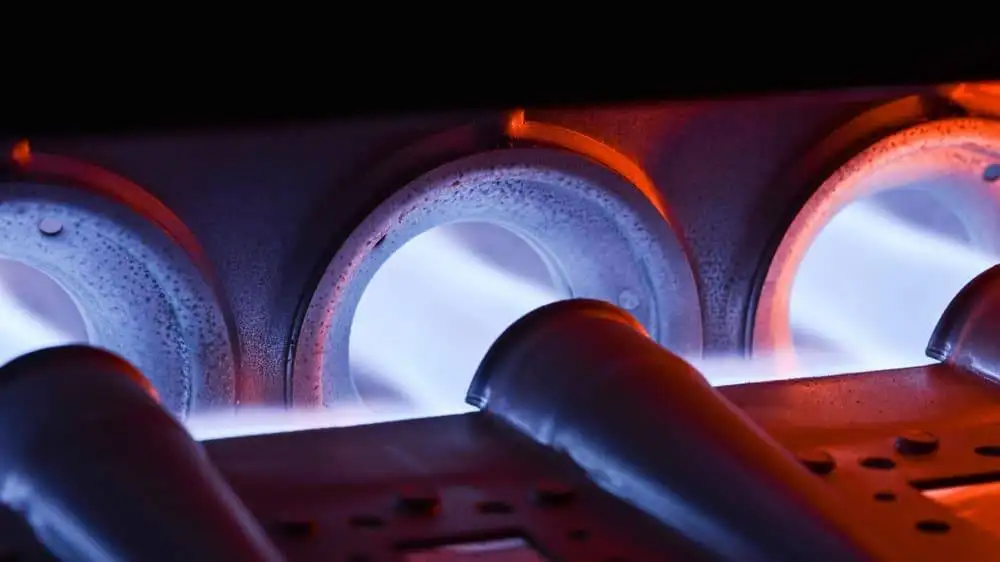
    A normal furnace only has one heat exchanger. Gas burners heat cold air, and hot exhaust is vented outside. That’s a big waste of heat. A high-efficiency system absorbs the heat from these exhaust gases, too, then the rest gets vented outside.

    Variable-speed blower

    Older furnaces only have two settings — off and on. Modern energy-efficient technology uses variable motors that can run at 10%, 25%, 50%, etc. If you only need a little bit of heating, there’s no reason to run the system at 100%.

    Insulated system components

    In normal systems, a lot of wasted energy happens because heat escapes from metal parts. High-efficiency systems are insulated, so they make sure air stays warm all the way through.

    These high-tech systems (plus advanced filters for better air quality) contribute to significant energy savings and other benefits. They’re also responsible for high-efficiency furnace costs.

    What Are the Benefits of a High-Efficiency Gas Furnace?

    A high-efficiency furnace will always cost more than a conventional model (about 50%–100% more). Is the price worth it? For many families and business owners in Phoenix, Arizona, and surrounding metro cities, it is. High-efficiency gas furnaces offer important benefits:

    More energy efficient

    High-efficiency systems can save you anywhere from 10%–35% or more on your heating costs. Over 15 years, switching from a normal 80 AFUE system to a high-efficiency 95 AFUE system can save $1,300 or more in energy costs. These savings would be even more considerable compared to an older furnace.

    Cleaner and greener 

    By cooling exhaust gases, high-efficiency systems convert the majority of them into liquid. Fewer gas emissions translate into a greener system that takes better care of the environment.

    Quieter 

    The components of modern high-efficiency furnaces run almost silently. They won’t wake you up or interrupt you when you’re trying to work.

    More comfortable 

    Thanks to the variable-speed blower of high-efficiency furnaces, temperatures are more stable. No more ping-pong between too hot and too cold – your home is always just right.

    Safer 

    Normal furnaces can be safe as long as they have plenty of space for ventilation. However, in tight spots, they can start to build up carbon monoxide, which is dangerous for your family. On the other hand, high-efficiency systems always get their air from outside via a sealed pipe, so your family is safe and sound.

    In addition to these benefits, you may also qualify for special tax credits and energy incentives from the government or your utility company. This can lower your overall cost of high-efficiency gas furnace systems even more.

    How Much Does a High-Efficiency Gas Furnace Cost?

    The total cost of a high-efficiency gas furnace depends on several factors, such as heating output. The average total cost ranges between $5,000 and $13,000, with everything included.

    1. High-Efficiency Gas Furnaces Prices

    This is the amount you can expect to pay for the high-efficiency furnace itself. A unit with an AFUE of 90–95% runs approximately $1,000–$3,000. For the absolute best (98% AFUE or more), you’re looking at anywhere from $2,000 to $6,000 on average.

    2. Installation Cost of High-Efficiency Gas Furnace Models

    The average installation cost of high-efficiency gas furnace systems is around $6,000. This number is hard to predict, though, because there are so many factors involved. The cost of building permits, inspections, and labor depends on the layout of your home and the job’s complexity. If you already have good ductwork, you can probably knock $2,000 off the price.

    3. Brand Cost

    The brand you choose also has a lot to do with cost. A lower-end-but-functional Amana may cost $5,000–$8,000, while Lennox models may run you a whopping $15,000! Our favorite, because of performance, dependability, quality, and price, is Trane. There is a nice range of prices, with different outputs costing $3,000–$13,000.

    Why such a large range of prices? For one thing, the size of your home matters. A larger home requires a more powerful system and more ductwork. Installation projects in smaller, one-story homes are less complicated, and you don’t need as much heating output, so total costs are lower.

    How Can You Choose?

    Are gas furnace prices worth it for your family? That depends on how often you use the furnace and how important energy efficiency is for you. The higher your energy bill every year, the more sense it makes to upgrade to a high-efficiency furnace. And if you’re building a new home, doing things right from the beginning is a smart idea.

    Need More Info?

    One thing is certain: you should always call the HVAC pros at Howard Air & Plumbing for any type of furnace installation or replacement in Phoenix, Arizona. Proper installation is essential actually to see those energy savings you want, and our pros can prevent big problems from appearing down the road.

    To learn more about high-efficiency gas furnace prices and how the right model in your Phoenix-area house could save you money, contact us at Howard Air & Plumbing.

    We can conduct an energy audit to improve your home’s energy efficiency and provide free advice on high-efficiency gas furnaces, their installation, and pricing. We also offer repairs to common furnace problems and install new units.

    Featured Image: Priceless-Photos/Shutterstock

  • How to Remove Mold from Air Conditioner Ducts

    How to Remove Mold from Air Conditioner Ducts

    Mildew and mold are serious threats to the wellbeing of your air conditioning system. They spread quickly, pose health risks, and are not always eradicated by normal HVAC repair work. AC repair companies can remove fungus from your evaporator and blower during regular preventative maintenance, but you also have to consider the ducts.


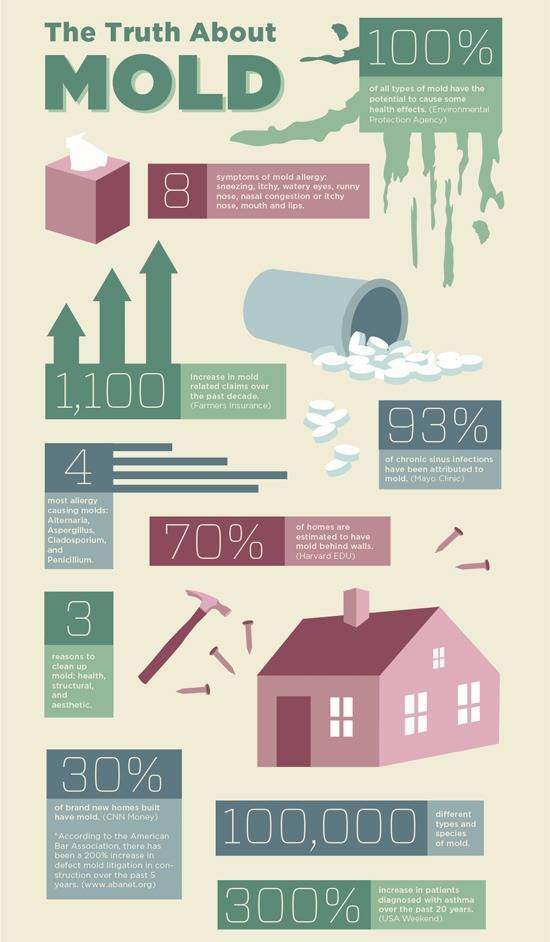
    Mold Facts Infographic


    Home Mold Statistics & Facts Infographic
    Source: residentialrestorers.com


    6 Steps to Mold Removal

    Air duct cleaning is an important part of regular HVAC maintenance. Because your air ducts go through your house, they can spread fungi to every room and contaminate everything you own. Here are some of the common steps you can take if your system has been contaminated by mold.


    #1 Turn Your Air Conditioner Unit off

    To perform a deep clean, you’ll need to stop all the moving parts. This also helps make sure air flow won’t spread the contaminants faster than you can clean them up.


    #2 Wear Protection

    Everyone in the area should wear important respiratory protection. Cleaning the mildew will create airborne particles that you can inhale if you aren’t careful. Gloves and trash bags help too.


    #3 Dispose of Contaminated Materials

    Filters, insulation, and anything else that can get wet has to go. We recommend double-bagging the waste to make sure it doesn’t make a mess or spread the problem to anything else.


    #4 Clear Standing Water

    If you have any standing water in your system, use a wet vac to get rid of it. Be extremely thorough on this step to make sure you leave nothing behind. Remaining mold will spread again quickly and undo all your work.


    #5 Kill the Germs

    Use disinfectants with EPA approval to get rid of mold, mildew, and bacteria. To prevent the problem from coming back, you will have to get to every surface including individual parts inside your unit. Try to section off areas as you clean them, so airborne particles don’t spread. Disinfectant fog can help contain the problem.


    #6 Take Preventative Measures

    To stop the problem from returning, use mold inhibitors to keep your system from developing the same problem all over again. You should also use an industrial vacuum in every area you worked on to ensure top cleanliness.


    Professional Air Duct Cleaning is Guaranteed

    Unless you have significant experience with this type of job, it can be anywhere from difficult to impossible to treat this problem yourself. A professional air conditioner contractor is much more likely to eliminate mold in your house successfully. Howard Air & Plumbing uses the best cleaners, equipment, and processes in the HVAC industry to get your home mold-free and keep it that way. Contact us today to test your home’s air quality and start breathing easier.

  • 8 Home Heating Safety Tips to Prevent Fires

    Technician servicing heater

    At Howard Air & Plumbing, we want all of our customers to be not only comfortable, but also safe. While everyone wants to save money on heating bills, it is also a high priority to ensure that families are safe. When the weather outside gets chilly and home heating becomes necessary, we have several home heating tips for you to keep in mind in order to keep your family both warm and safe.

    The two key things to keep in mind for home heating safety:

    • Routine maintenance and regular inspections can prevent the possibility of fires and carbon monoxide poisoning.
    • Read our tips to learn how to protect your family from potential hazards related to the heating systems in your home.

    Home Heating Safety Tips

    We have outlined eight tips to ensure that your Phoenix, Arizona homestays are warm without causing any harm to people or property.

    1. Perform Routine Maintenance

    Even if you have a professional check your heating system before the season begins, there are a few things you will need to do to keep your heating system running safely. Check your furnace filter regularly and replace it every 1 to 3 months, depending on how often you use the heating and what type of filter you use. Read the manufacturer’s recommendations regarding the optimal frequency.

    When filters become dirty, they restrict the airflow, placing unnecessary strain on your equipment. Your system then has to work harder, reducing its efficiency and longevity. It will operate less effectively but cost you more. Changing the filter is an easy, straightforward way to help maintain your heating unit.

    2. Schedule Regular Inspections

    When you have a damaged or outdated heating system, it can disperse dust, mold, and pathogens throughout your home. We recommend that you have a qualified professional come to your home once a year to clean, inspect and maintain your home heating equipment. Heating maintenance inspections keep your home safe during the cooler months when you are running your heater, and they also help your unit run more efficiently in order to save you money in the long run. Have a qualified professional check your unit once a year to:

    • Prevent breakdowns
    • Decrease health risks
    • Save money on your energy bills
    • Extend the life of your HVAC system

    3. Keep HVAC Units Free From Clutter & Debris

    Keep boxes and other things away from your heating unit. You want to prevent debris and clutter from getting too close to the heater and restricting adequate airflow. Flammable materials kept too close to your furnace can start a fire. Keep paint, trash, and other substances away from your heating system.

    4. Follow These Space Heaters Safety Tips

    Space heaters are a great way to keep warm when there’s a chill in the air, but these devices can be dangerous if not handled properly. Take the time to understand how to safely operate your space heater to ensure your family’s safety. Remember to:

    • Turn off your heaters when you go to bed or leave the house.
    • Keep children away from the units at all times.
    • Ensure there are no loose or flammable materials within three feet of your heaters.
    • Do not use power strips, extension cords, or outlets with multiple other items plugged into them. Overloaded outlets can overheat and cause fires.

    5. Use Your Fireplace Safely

    There’s nothing better than a warm fire on a cold day, but fireplaces may pose dangers if you do not take proper precautions:

    • Place a sturdy screen around your fireplace to protect your family from sparks and prevent little ones and pets from getting too close to the fire.
    • Keep a fire extinguisher in the same room as the fireplace so you can put a fire out quickly if necessary.
    • Never leave a fire unattended.
    • Have a professional technician clean and inspect your chimney once a year.
    • Do not remove ashes from your fireplace until they cool completely.

    6. Test Your Smoke Alarms

    When you use heating methods more often, remember to test your smoke alarms each month. Ensuring that your carbon monoxide and smoke alarms work correctly is an essential aspect of home heating safety. Alarms can alert you to possible dangers from fire or dangerous gases and give your family enough warning to keep them safe.

    7. Do Not Use Your Oven For Heating

    Never heat your house with your stovetop or oven. Not only is this an inefficient method, but it can also release carbon monoxide into your home. The design of your kitchen appliances does not incorporate a function to serve this purpose. Using it in this way can have harmful consequences.

    8. Take the Necessary Safety Precautions

    If there is a gas smell in your home, do not light your gas heater. Turn off your furnace and leave your property immediately. Then call the gas company or local fire department. The smell could indicate a potential gas leak, which could pose a severe danger to your home and family.

    Learn How To Prevent a House Fire

    When the temperatures dip, you want to keep your Phoenix, Arizona, home warm and cozy. Following our tips for scheduling regular maintenance, taking adequate safety precautions, and ensuring proper use of your heating units and systems help prevent possible fires and keep your family safe from harm.

    At Howard Air & Plumbing, our technicians provide top-quality HVAC service to make sure your heating system works properly. Our HVAC experts dedicate their time and energy to ensuring you are 100% satisfied. 

    Contact us if you have any questions about the safety of your heating system. We want you and your family to stay warm and safe all winter long! 

  • Diagnostic Fee Waived

    Diagnostic Fee Waived

    AC or heating system quit working? We will waive your diagnostic charge with the authorization of any major repair, backed by a 2 year replacement part warranty! Let our factory trained and NATE certified technicians diagnose your complete AC or heating system. We have technicians on call 24 hours a day and service all major brands.

  • What is the Cost of a New Furnace & Central Air Package?

    What is the Cost of a New Furnace & Central Air Package?

    One of the first things Phoenix homeowners discover is the importance of an efficient HVAC system – including excellent heating and cooling. Getting the temperature you want, when you want it, isn’t just about comfort – it’s also crucial to saving more money. Your furnace and central air systems are two of the most prominent contributors to your energy bill.

    Knowing that, getting a new furnace and central air conditioner installed is a sound investment for virtually any Phoenix home. The sooner you do it, the sooner you can start to achieve the savings that are only possible through top-quality natural gas systems.

    You May Save Thousands Annually With New Heating and Cooling Equipment

    You May Save Thousands Annually With New Heating and Cooling Equipment_Howard Air
    Photo credit: Anastacie/Shutterstock

    When thinking about new furnace cost, it’s vital to make savings part of your calculations.

    As heating and cooling systems get older, they naturally become less efficient and more prone to breakdowns. Although regular maintenance can significantly extend the life of most systems, a newer model incorporates more sophisticated energy saving technology.

    The benefits of a new furnace and central air package can’t be overstated:

    • Better air circulation leads to higher air quality and ensures more consistent temperature;
    • Newer systems are more reliable, requiring fewer repairs and less intensive maintenance;
    • Modern thermostats provide accurate temperature readings without costly system cycling;
    • You and your family can more easily maintain comfort whether in the summer or winter.

    Carrier: The #1 Brand for New Heating and Cooling Systems in Arizona

    Carrier- The #1 Brand for New Heating and Cooling Systems in Arizona_Howard Air
    Photo credit: Product Image

    “What is the average cost of a new furnace?”

    This is a common question, but there are several factors to consider. First, while there are many different brands to choose from, Carrier furnaces and air conditioners are designed to offer you the highest performance and the lowest overall cost of ownership.

    In the long run, a Carrier system is simply better – which is why we carry them at Howard Air & Plumbing.

    When you compare Carrier directly to other brands “on average,” it may seem to be in the middle of the pack on price. However, you are getting a level of craftsmanship that will save you time, money, and hassle… both regarding maintaining your system and in overall power costs.

    Estimating the Price of Your New Furnace or Air Conditioner

    Estimating the Price of Your New Furnace or Air Conditioner_Howard Air
    Photo credit: Number1411/Shutterstock

    According to data gathered by HomeAdvisor, installing a new furnace can cost anywhere from about $2,500 to more than $6,000. While the national average hovers around $4,200, metro areas like Phoenix, Arizona, often see somewhat higher prices.

    We Excel at Finding You the Best Solution

    By choosing Howard Air & Plumbing, you have the opportunity to find a heating and cooling solution that works for you. We offer competitive rates with big savings when you bundle a new furnace and air conditioner. For a free estimate, contact us today.

    Feature image: Syda Productions/Shutterstock

  • How Much Does Furnace Maintenance Cost?

    How Much Does Furnace Maintenance Cost?

    Most people in the Valley know how critical it is to have their air conditioner regularly maintained, but did you know that furnace maintenance in Arizona is just as important? Despite our moderate winters, your furnace is still likely to get a fair amount of use, especially once those chilly desert nights start.

    3 Reasons Why You Should Tune-Up More Often

    Reasons to Tune Up Your Furnace_Howard Air
    Photo credit: Daniel Krason/Shutterstock

    Although some people try to skip regular maintenance in an effort to save a bit of money, or attempt to do a DIY-tune up, in the long run, that can actually cost you even more. A furnace tune up performed by a professional technician is a budget-smart, proactive way to make sure you avoid furnace issues. Here are just a few of the benefits of a professional furnace tune up.

    1. You’ll save money in the long run. Just like your vehicle, regular tune ups are an important step to avoiding costly repairs. When a licensed technician comes out to your home to perform a tune up, they will also be looking for any red flags that indicate an existing or potential issue. By catching the problem early on, the technician may be able to take preventive steps to help you avoid a big problem in the future.
    2. Your furnace will be more efficient. When a furnace is functioning properly, it is able to run at maximum efficiency. This translates to lower energy bills for you, and – you guessed it- more savings!
    3. You can be confident that your home and family is safe. A furnace that is not working correctly can cause a dangerous carbon monoxide leak, which can be deadly if undetected. Because carbon monoxide is odorless, many homeowners and their families become very sick before realizing that the fatal gas is filling their home. Stay safe, and make sure that your furnace is working the way it should.

    So, How Much Does a Tune-Up Cost?

    how much does a tune up cost_howard air
    Photo credit: Niphon Kai on Shutterstock

    Depending on the company you choose, it can range from $75-$150. Compare that to the cost of furnace repairs, which can run upwards of $2,500, depending on the issue and the parts required. As you can see, a yearly tune-up is a smart choice, rather than waiting for something to go wrong.

    Call a Professional to Handle the Work

    call a professional_howard air
    Photo credit: DedMityay/Shutterstock

    At Howard Air & Plumbing, we work hard to keep furnace maintenance affordable on any budget, because we understand how important it is for you and your family to be able to count on the comfort and safety of your home. Our team of experienced, professional technicians can make sure that your furnace is kept in tip top shape, and our fair prices make a tune up an easy choice. Contact our team to learn more about scheduling your furnace tune up today!

  • How Long Do Furnaces Last?

    How Long Do Furnaces Last?

    Winter Chills in Phoenix

    One of the most common questions our Howard Air & Plumbing team gets is “How long do furnaces last?” Here in Arizona, most people know a good amount about their air conditioner; after all, it’s what gets us all through those blazing summers. However, desert dwellers often take less time to think about their gas furnace and the heat it produces. Although the Valley of the Sun is known for generally mild winters, temperatures can still get pretty chilly. Especially in the months of December, January, and February, you will find yourself reaching for the thermostat to turn up the heat a bit.

    How Healthy is Your Furnace?

    Is it time for a Furnace Tune Up? Howard Air has expert technicians available to help!The middle of a 30-degree night is certainly not the time to realize there isn’t any warm air coming out of your vents, and you don’t want to find yourself bundled in blankets, wondering, “How long does a furnace last, anyway?” So, here is some basic information about your furnace lifespan, so you can be prepared to enjoy our wonderful winters in toasty comfort.
    • The average age of a gas furnace is between 15 and 20 years, though it can vary significantly. Although you may have friends or family that brag about their 30-year old furnace that is in apparently perfect health, know that the average furnace starts to show signs of age around the 16-year mark. If yours is approaching this point, it’s time to start looking into replacing it.
    • Just because your older furnace is working, doesn’t mean it’s running efficiently. Older furnaces might still put out warm air, but will do so inefficiently, using a lot of energy and fuel. Soot buildup is another side effect of older, less efficient furnaces.
    • A variety of factors can affect the health of your furnace. A lot depends on the quality of your particular furnace model, with some able to reach old age more successfully than others. Also, whether or not your furnace is properly sized for you home can play a big part.
    • There are steps you can take to extend your furnace’s lifespan. One of the most important things you can do is make sure you have a regular furnace tune up at least once a year, performed by a professional technician. Consistent maintenance is a simple way to help your furnace live a long, happy life.

    Check health of furnace is a service from Howard Air.

    Tune-Up with Howard Air & Plumbing

    Now that you know a little more about your home’s furnace, you can take steps to make sure it performs properly throughout its life, and you know when it’s time to trade it in for a new model. If you would are looking for a professional, knowledgeable team to perform a furnace tune up or help you select a new furnace, contact Howard Air & Plumbing today.


    Photo Credits: Shutterstock

  • HVAC Duct Design Basics: What You Should Know

    HVAC Duct Design Basics: What You Should Know

    Energy-efficient, comfortable HVAC design for your Phoenix home or business really begins with HVAC duct design basics. The ducts that professional HVAC technicians will run through the ceilings and walls of your building can be thought of as the veins and arteries of your ventilation and climate system. If the ducts are incorrectly sized or laid out poorly, even the most expensive furnace and central air conditioner will under-perform.

    Ductwork Design

    Ductwork Design - Howard Air

    For most HVAC contractors, the mathematics and calculations of good duct sizing and layout are done by applying the ACCA’s Manuals D (residential) and Q (commercial). Instead of estimating how large a duct each space needs, technicians measure room volume and layout, enter specifics like floor type, room direction (for heat gain) and other factors. The software and manual provides a blueprint for successful ductwork design.

    Conduction

    Conduction - Howard Air

    Conduction is one of three challenges to effective HVAC system design. While this overview is strictly HVAC for beginners, everyone can understand the idea of heat conduction; it is how heat moves through solids.

    If you have flexible ducts running through an unheated attic, for example, the furnace in your home or business is pumping cleaned, heated air through the unheated attic. Conduction robs the system of that expensively heated air, as the heat conducts through the ductwork. In summer, hot attic air conducts heat into the same duct that is trying to deliver cool air.

    Solutions to fight conduction include using insulated ductwork, ensuring tight seams (using mastic instead of infamous “duct tape”) and sometimes using rigid, insulated ductwork.

    Air Leakage

    Air Leakage - Howard Air

    Air leakage is like tossing dollar bills into the air and waving goodbye to them as they blow away in the breeze. Small holes, open seams and ill-fitting ducts cause air to move from the pressurized ductwork out into your walls, ceiling or attic.

    Whether hot or cool air is escaping, this air leakage represents an expensive waste of money.

    Truly professional HVAC technicians work very hard to install ductwork free of any leaks. They also pressure-test the system to check for leaks and then close them, if any are found.

    Zone Pressurization

    Zone Pressurization - Howard Air

    A third issue with sloppy ductwork design and installation is zone pressurization. Since many modern duct designs do not include return air registers in every room, the system balances by keeping doors open.

    When a door is closed, the supply duct pressurizes that room while delivering a normal airflow to other rooms. The pressurized room leaks air out around windows, robbing your home of energy efficiency.

    Contact a Professional Today!

    All these issues can be resolved with one call to Howard Air & Plumbing. Our technicians will accurately measure and assess your Phoenix home or business. We can design good ductwork and avoid expensive mistakes like conduction, air leakage and zone pressurization. Contact Howard Air & Plumbing today!