Author: admin

  • How Dirty Air Ducts Can Ruin Your Indoor Air Quality

    How Dirty Air Ducts Can Ruin Your Indoor Air Quality

    Around Phoenix, air quality is often on people’s minds. Our outdoor air quality varies but is seldom as good as we would like. Indoors, homeowners and business operators strive for clean, breathable air, but dirty air ducts often lower indoor air quality.

    How serious an issue is this, and what can homeowners and business owners do to reduce indoor air quality pollutants?

    Dirty Air Ducts & Your Indoor Air Quality

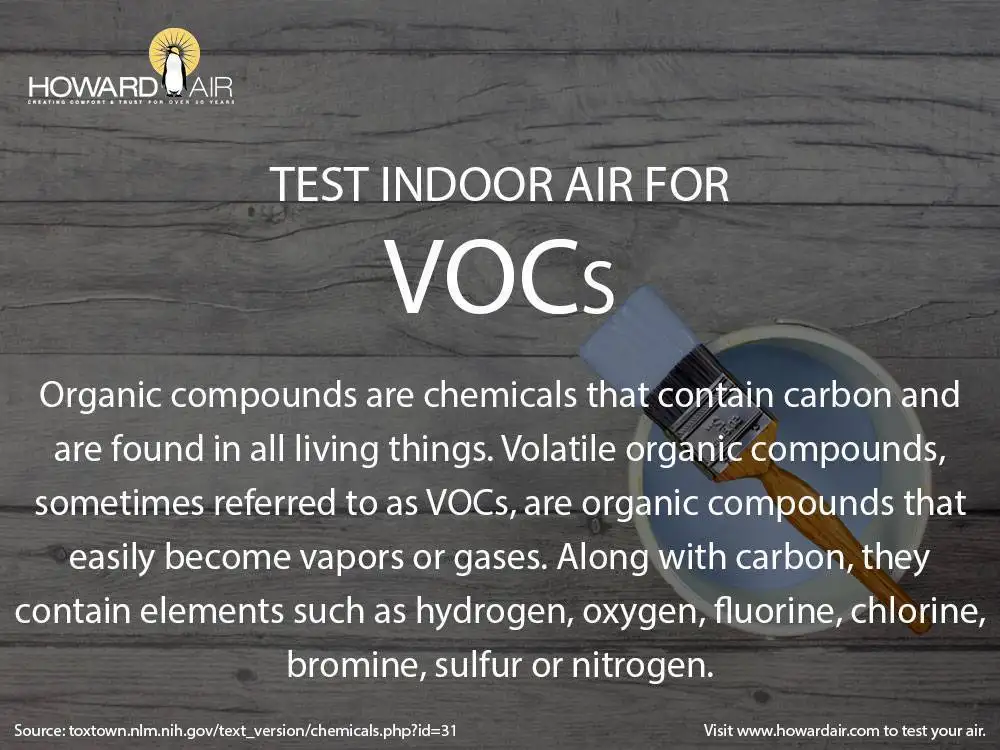
    The purity of your building’s indoor air quality (IAQ) is measured by the amount of particulate matter and volatile organic compounds (VOCs) floating in it. No air is perfectly pure. Indoors, dust can be caught up in return air ducts, blown through your central air conditioner’s air handler, and spewed out into rooms in the supply ducts.

    Much of the particulate matter in indoor air is harmless, but some is disgusting:

    In addition to particulates, VOCs pollute indoor air. VOCs are gases given off by solids and liquids from:

    • Aerosol sprays
    • Air fresheners
    • Cleansers and disinfectants
    • Dry-cleaned clothing
    • Paints, paint strippers and other solvents
    • Moth repellents
    • Stored fuels and automotive products
    • Wood preservatives

    Filters can help remove particulate matter from air ducts, but some indoor pollutants cling to the inside surfaces of the ducts.

    Why Clean Dirty Air Ducts?

    The air in your building’s ducts has moisture in it, which can condense on any particulate, dust or other pollutant in the ductwork, setting up a firm footing for mold in air ducts. In homes or businesses in which people with sensitive respiratory systems might live or work, the mold and mildew in air ducts can cause discomfort and illness.

    The Environmental Protection Agency (EPA) recommends air duct cleaning if you see visible mold, insect or rodent droppings, or heavy concentrations of debris in your ducts. Another sign, says the EPA, is at startup of your furnace or central air conditioner: If you see visible puffs of dust coming from registers, air duct cleaning is warranted.

    Symptoms of Dirty Air Ducts

    Mold in air ducts and VOCs in indoor air lead to symptoms such as:

    1. Eye, nose and throat irritation
    2. Headaches, loss of coordination and nausea
    3. Conjunctival irritation
    4. Allergic skin reactions
    5. Fatigue
    6. Dizziness

    Contact Howard Air & Plumbing Today for Dirty Air Duct Cleaning

    When you contract for an HVAC company to remove mold in air ducts symptoms such as these will dissipate. With a thorough air duct cleaning, allergies and allergic reactions among family members or employees generally improve. Contact Howard Air & Plumbing today to learn how duct cleaning can alleviate symptoms and improve indoor air quality in your home or business.

  • These Five Tips will Help You Avoid Expensive HVAC Repairs

    These Five Tips will Help You Avoid Expensive HVAC Repairs

    Updated Nov 18, 2021

    Nobody likes the cost of air conditioner repairs, but nobody likes living in Arizona without central air conditioning, either. At Howard Air & Plumbing, we know you and your family can benefit from lower AC repair costs by employing these five strategies.

    Five Ways You Can Prevent Costly HVAC Repairs

    If you’re not a fan of paying a lot of money to have your air conditioner fixed, here’s what you got to do:

    1. Trim Bushes, Trees & Vegetation

    Keep vegetation trimmed well away from the outside unit of your central air conditioning system. The compressor and condenser require constant, vigorous airflow. Impeded airflow can cause overheating of the outside unit and reduce cooling power inside. Any shrubbery, twigs, weeds, or grass that block airflow or get sucked up into the fan blades can cause expensive repair bills.

    2. Replace Air Filters Regularly

    Swap out disposable air filters at least monthly during the cooling season. If fortunate enough to have permanent air filters, clean them just as often. Clogged air filters make your system work harder. Overloaded filters can also allow particulates in the air to travel into the interior of your unit, leading to breakage in delicate parts or pitting on the evaporator coils.

    3. Get an Annual HVAC Maintenance Agreement

    Sign an annual HVAC maintenance agreement with a trusted local HVAC contractor like Howard Air & Plumbing. This ensures regular inspection and tune-ups so your system is always operating at peak efficiency. A trained technician can spot problems early when the repair charges will be smaller than they will be when something catastrophic occurs.

    4. Keep Dust, Dander & Bugs Away

    Keep ductwork clean and free of debris to improve system performance and ensure the right flow of supply and return air. The amount of dirt, grit, debris, and dead insects in your ductwork may surprise – or disgust – you. The air passing through your ducts is the air your family breathes. Remember, too, your home’s ductwork was sized to provide adequate airflow to all rooms, so dust and cobwebs impeding that flow cause your system to run inefficiently.

    5. Get an Appointment Sooner Rather than Later

    With central air conditioner repair, an early call is better than waiting to see if your system fixes itself. During the busy cooling season, your call may put you anywhere from 11th to 30th place on a waiting list. While you can survive a few days without the cooling relief of central air conditioning, the sooner you call the sooner you see a service truck.

    Complex mechanical systems do not repair themselves; they only get progressively worse. Call early if you suspect even a small problem, such as:

      • An unusual smell;
      • Strange noises at start-up;
      • Quick on-and-off operation (called short-cycling, it wears out a system fast);
      • Visible liquid on the floor around the interior portion of your central air conditioner.

    Contact Howard Air & Plumbing in Phoenix, AZ Today!

    One service visit can keep a little repair from turning into a series of expensive, larger repair trips. Contact Howard Air & Plumbing today to schedule maintenance, get help diagnosing an AC problem or learn more about our economical and convenient annual maintenance plans.


  • Howard Air Named Finalist for 2017 BBB Torch Awards for Ethics

    Howard Air Named Finalist for 2017 BBB Torch Awards for Ethics

    Better Business Bureau serving Central, Northern, and Western Arizona (BBB) names Howard Air & Plumbing one of 15 Arizona companies selected as finalists for the 2017 Torch Awards for Ethics. Five of the 15 companies will be named winners in their category during the awards dinner and ceremony Wednesday, April 12 at the Arizona Biltmore Resort.

    “We are so humbled by this recognition and proud of the culture we have created at Howard Air & Plumbing. It is truly a reflection of the great work our team does.”
    – Kevin Howard, President of Howard Air & Plumbing

    The BBB Torch Awards for Ethics were established in 2002 to recognize outstanding businesses that maintain a solid commitment to ethics and trust in the marketplace. Companies are selected by an independent panel of volunteer community leaders based on criteria established by the Council of Better Business Bureau’s International Torch Award.

    All finalists were first nominated and after meeting minimum criteria, proceeded to complete an evaluation where they had to demonstrate their commitment to ethics in six categories:

    1. Leadership’s Commitment to Ethics

    2. Communication of Ethical Practices

    3. Organizational Commitment to Ethical Practices

    4. Organizational Commitment to Performance Management Practices

    5. Organizational Commitment to the Community

    “Known for upholding high ethical standards, this year’s finalists join over 200 localbusines ses part of BBB’s community of trustworthy businesses,” said Dory Gosar, BBB Foundation Director. “Doing the right thing is not always easy and these companies have demonstrated a commitment to ethical practices even in the most difficult times.”

    View a complete list of this year’s BBB Torch Awards for Ethics Finalists at torchawards.arizonabbb.org.

    -TORCHAWARDS.ARIZONABBB.ORG-

    About Howard Air & Plumbing

    Founded in 1977 on the principles of trust, quality and superior customer service. Howard Air & Plumbing is a family owned and operated heating and air conditioning contractor servicing the Phoenix metropolitan areas. Winner of over 100 awards and recognitions, Howard Air & Plumbing has delivered on its founding principles by becoming one of Arizona’s first choices for high quality heating and air conditioning products, services and installations. For more information please visit http:/howardair.com.

    About Better Business Bureau Serving Central, Northern & Western Arizona

    For more than 100 years, Better Business Bureau (BBB) has been helping people find businesses, brands and charities they can trust. In 2015, people turned to BBB more than 172 million times for BBB Business Reviews on more than 5.3 million businesses and 11,000 charities, all available free at bbb.org. Incorporated locally in 1938, BBB serving Central, Northern and Western Arizona serves 10 counties through its campuses in Phoenix, Lake Havasu City, Prescott and Yuma, supported by over

    11,500 BBB Accredited Businesses. Businesses that earn BBB Accreditation contractually agree and adhere to high standards of ethical business practices. BBB provides objective advice, free business and charity profiles, and educational information on topics affecting marketplace trust.

    Media Contact:
    Justin Hathaway
    [email protected]
    602-953-2766

  • How to Test the Air Quality in Your Home

    How to Test the Air Quality in Your Home

    The bad news is Phoenix’s air quality is bad. The American Lung Association gave the Valley’s air a failing grade – F – in its 2015 air quality index.

    The good news is, for 2016 our air improved a bit, says the ALA. Yet under either grading system, most homes’ indoor air quality (IAQ) is far worse than the outside air! This leaves many Phoenicians wondering how to test indoor air quality and improve the air they breathe in their homes.

    Indoor Air Quality Testing

    Professional air testing is ideal, but can sometimes be pricier than many homeowners feel comfortable paying. This means trying to tackle this complex testing on your own, using not one, but multiple methods. You see, indoor air is a complex mixture of nitrogen, oxygen, some other natural gases, plus a lot of pollutants, says Green Home Guide:

      1. Radon

    Howard Air - How to Test Air Quality in Your Home: Radon

    Though naturally occurring, radon is radioactive;

      1. Carbon monoxide

    Howard Air - How to Test Air Quality in Your Home: Carbon Monoxide

    A product of incomplete fossil fuel combustion, CO is invisible, tasteless, odorless and deadly;

      1. Insect parts

    Howard Air - How to Test Air Quality in Your Home: Insect Parts

    Insect droppings and exoskeletons are often ground up by our shoes and become airborne;

      1. Pet dander

    Howard Air - How to Test Air Quality in Your Home: Pet Dander

    Dead skin from pets (from humans, too!) and pet fur can easily become airborne;

      1. Volatile organic compounds (VOCs)

    Howard Air - How to Test Air Quality in Your Home: VOCs

    Mold spores, pollen, tobacco smoke, formaldehyde and other chemicals waft through your air.

    What You Need to Test Indoor Air

    Testing for all of these calls for multiple kits. One indoor air quality testing kit can test for VOCs, a different one for carbon monoxide and yet another for radon. These individual test kits are not cheap, and buying several of them will quickly add up. Just about the only issues you can inspect for visually and by smell are mold and mildew. A kit does little to tell you anything new if you spot black mold or smell mildew.

    Professional Indoor Air Quality Testing with Howard Air & Plumbing

    Turn to the trusted professionals at Howard Air & Plumbing to have your Phoenix home’s air tested for a wide range of problems. Once we test the air, we can recommend efficient ways to clean and purify your home’s air, removing allergens, dander, VOCs and more.

    Testing, of course, is a snapshot. Measurable levels of typical Phoenix-area pollutants can fluctuate by season, or even day to day. Having a built-in air cleaning and purifying system (either as part of your HVAC system or separate) can safeguard your family year-round.

    Contact Howard Air & Plumbing today at (623) 201-5153 to set up an appointment and learn how our trained technicians can not only test, but also improve, your indoor air quality.

  • Furnace Igniter Troubleshooting

    Furnace Igniter Troubleshooting

    Phoenix in the winter is heavenly. With cool but not cold nights, everyone enjoys settling in and relaxing in a warm, pleasant house. If your gas-fired furnace is not providing the head you want, though, your evening may be filled with words that make the prickly poppy blush.

    Ingiter Troubleshooting List

    Here is a quick guide to quick fixes for your furnace ignition system.

    Older Models

    Howard Air - Furnace Igniter Repair Troubleshooting - Pilot Lights

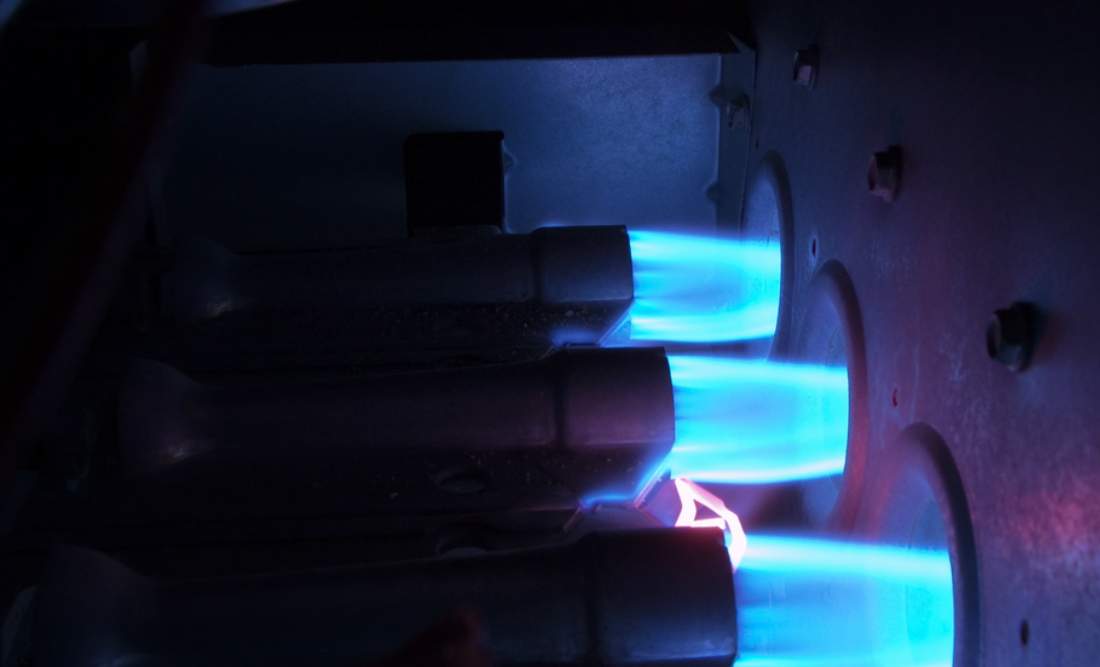
    Older gas-fired furnaces may have pilot lights. These small flames ignite the gas when a call for heat comes to your furnace from your thermostat. A pilot light that constantly extinguishes itself could be caused by three issues:

    1. A bad or loose thermocouple

    2. Pilot orifice clogged

    3. Flame set too low for proper ignition

    Turn off the gas before attempting any work! Once the gas is safely off (check it twice — a gas explosion will do more than ruin your evening) and the circuit breaker is tripped to prevent power to the furnace, clean the orifice with very thin wire. Run the wire into the opening to knock loose any debris.

    A few models of pilot lights have screws to adjust the flame. Work carefully to achieve your goal: a full, blue flame (no yellow) around two inches (five cm) long.

    Newer Models

    Howard Air - Furnace Igniter Repair Troubleshooting - Happy Mother & Son

    Most modern gas-fired furnaces use electronic ignition, often using a hot surface igniter (HSI). The host of issues with HSIs means your best bet is to call Howard Air & Plumbing for service. You can try a few remedies yourself, however:

      • Condensate

    A full condensate pan will trip the float switch, stopping your furnace cold; make certain the condensate tube is not clogged and the pan is empty.

      • Pressure switch tube

    Your furnace’s vacuum tube also can get clogged; when this pressure switch tube fails, the furnace will not ignite.

      • Faulty igniter

    A broken igniter (look for white residue — silica dust —built up along the igniter blades) can be replaced if handled with care; you may wish to have a professional for expert replacement.

    HSIs can have many more issues, including voltage drops, faulty wiring and misalignment. Most of these are too challenging for the average Phoenician to fix. Remember, gas furnaces are complex and potentially dangerous.

    Furnace Igniter Repairs in Phoenix

    If you attempted to fix your electronic igniter or pilot light and your heating system is still not providing the heat you expect, contact Howard Air & Plumbing. One of our expertly trained technicians will be happy to help you.

  • What Does an Energy Audit Entail for Phoenix Residents?

    What Does an Energy Audit Entail for Phoenix Residents?

    Updated Nov 19, 2021

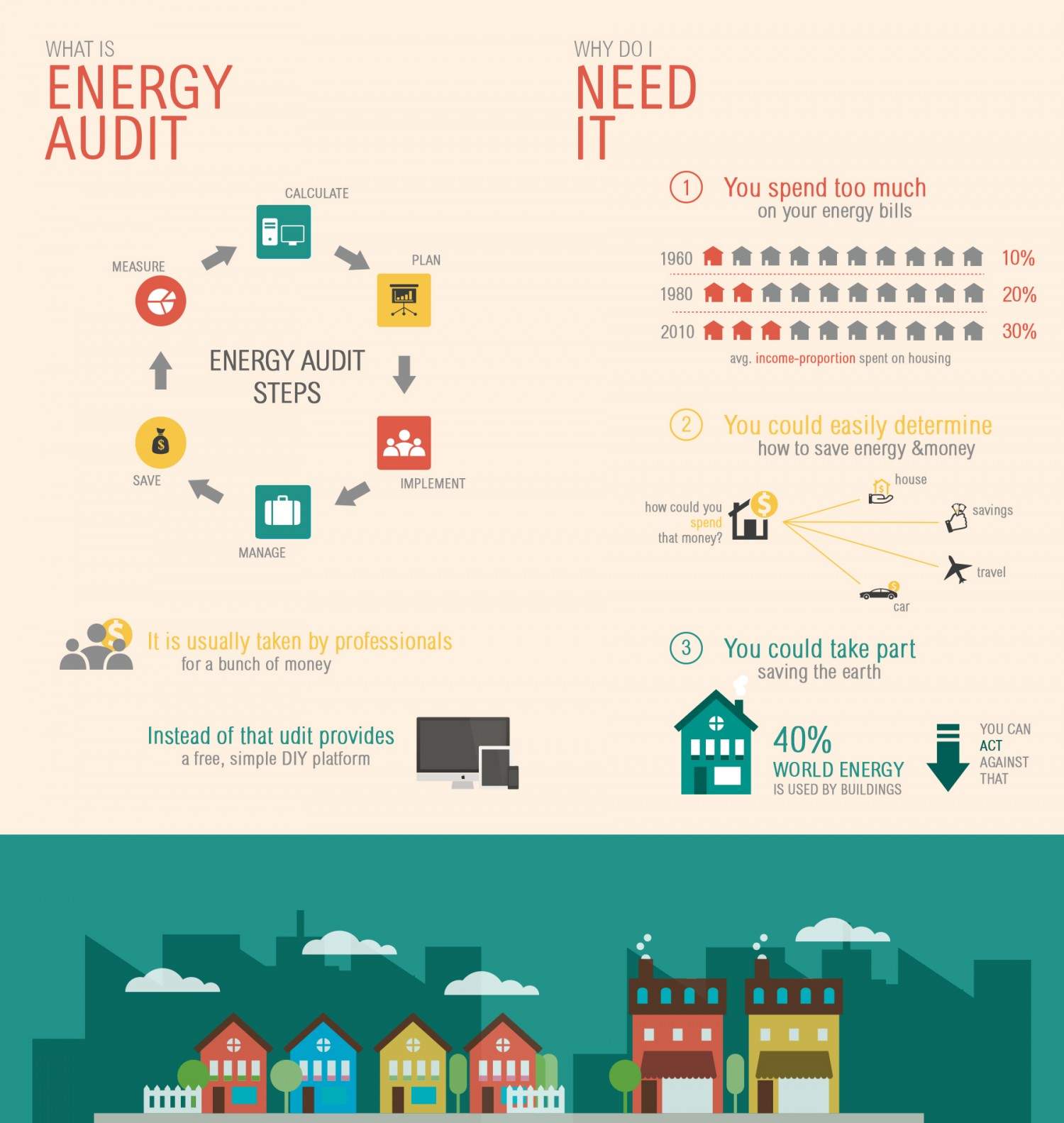
    With a home energy audit or home energy assessment, Phoenix homeowners can find the best ways to save energy and lower utility bills. What is an energy audit? Our professional technicians, also called energy auditors, use special equipment to help people decide which improvements or repairs can save the most money. That way, they can avoid wasting their hard-earned dollars on unnecessary upgrades. Here’s some more information about what home energy audits entail and their benefits.

    Before an Energy Audit

    Make a list of any problems our energy auditor should know about, such as dry air, drafts, or strange noises; these could be signs of problems with your HVAC system. Copies of a summary of the energy bills from last year can also help the auditor decide what to look for during the audit. You should be prepared to answer questions about the size of your home, the number of people who live there, the number and size of windows, the average thermostat setting in summer and winter, and which rooms are occupied most often.

    How Does an Energy Audit Save Energy?

    During an energy audit in Phoenix, professionals look for sources of energy loss and examine HVAC systems and other appliances. Most energy auditors use a blower door test to find leaks, including drafts or small cracks around electrical outlets, baseboards, doors, fireplace dampers, attic hatches, or foundation seals. A blower door is a powerful fan that pulls air out of a home. Energy auditors measure changes in air pressure and detect leaks with a smoke pencil. They also use infrared cameras to find the best places to install more insulation.

    Howard Air - Energy Audit Infographic
    Source: visual.ly

    Energy auditors use pressurized duct blasters to test for leaks in ductwork, inspect insulation for ductwork, and to look for dirt, dust, mold, and pests in ducts. These problems waste energy, make homes less comfortable and lower indoor air quality. Leaky or dirty ductwork can even force an HVAC system to work harder and shorten its life.

    Older appliances, including HVAC systems, are more likely to need expensive repairs as they keep aging. An energy auditor can find out which appliances need maintenance or replacement before a homeowner has to deal with an inconvenient breakdown.

    The Benefits of a Home Energy Audit in Phoenix, AZ

    After you follow advice from an energy auditor, like adding insulation or replacing old, inefficient appliances, you can enjoy lower utility bills and fewer repairs for your home. Since many heaters and air conditioners are smaller than older models, many people will also get more storage space.

    Get a Home Energy Audit in Phoenix, AZ from Howard Air & Plumbing

    Contact Howard Air & Plumbing for a home energy audit from an experienced professional. We can help you lower your utility bills and install, maintain, and repair your air conditioner.


  • What Are the Most Common Furnace Problems?

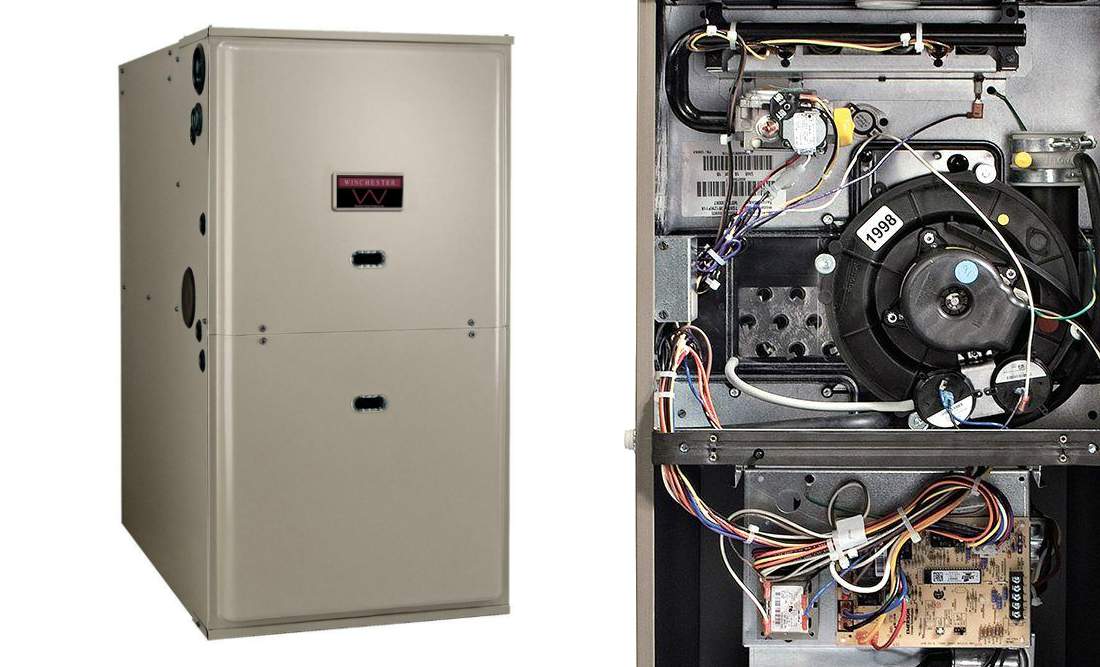
    Furnaces are complex machines that can break down and there are any number of reasons for why it won’t turn on. When the furnace is not working and the heat isn’t flowing, there is a good chance that one of the following items is the cause of the breakdown. In this article, we will talk about the most common furnace problems and when to call a professional.

    9 Common Furnace Problems You May Need a Professional to Fix

    While some of these issues can be fixed by the average weekend warrior, others are quite complex and may need a professional to assist with. If you have any questions regarding the following furnace problems, please contact Howard Air & Plumbing.

    Problem 1: Age of Your Furnace

    Howard Air - Common Furnace Problems Age

    A furnace will age just like any machine. With regular maintenance, the lifespan of a forced air furnace is between 15-20 years.

    Problem 2: Clogged Filters

    Howard Air - Common Furnace Problems Clogged Air Filter

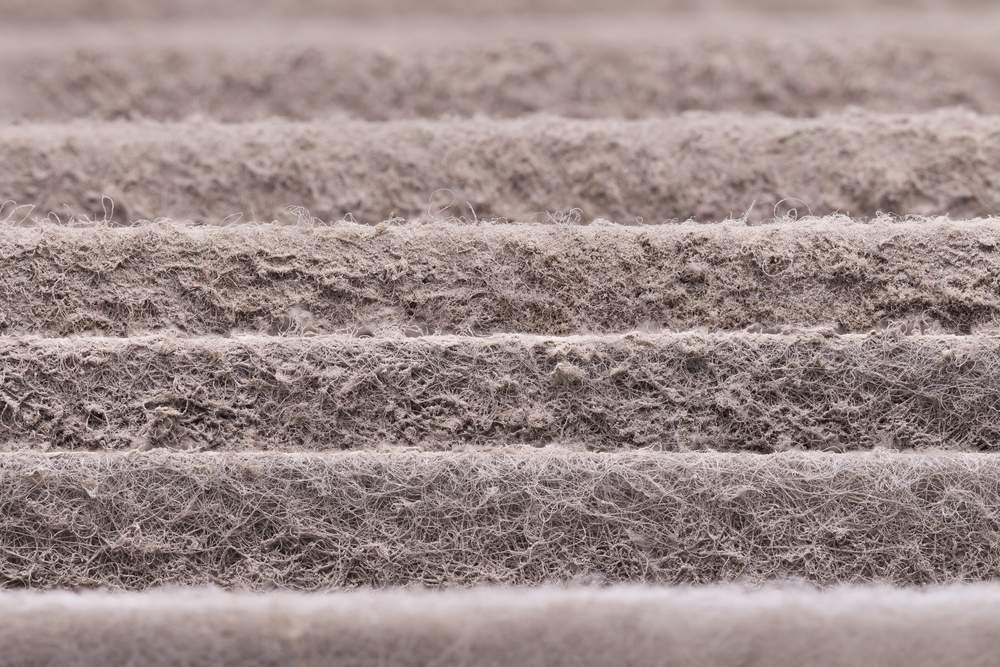
    Clogged filters reduce airflow into the furnace which can decrease the unit’s efficiency. Clogged filters also increase the wear and tear on the unit, because it has to work harder to produce the desired temperatures. Many times, a furnace not blowing air or blowing cold air is doing so because the filter is simply clogged. Be sure to change your filter regularly.

    Problem 3: Faulty Heater Thermostats

    Howard Air - Common Furnace Problems Bad Thermostat

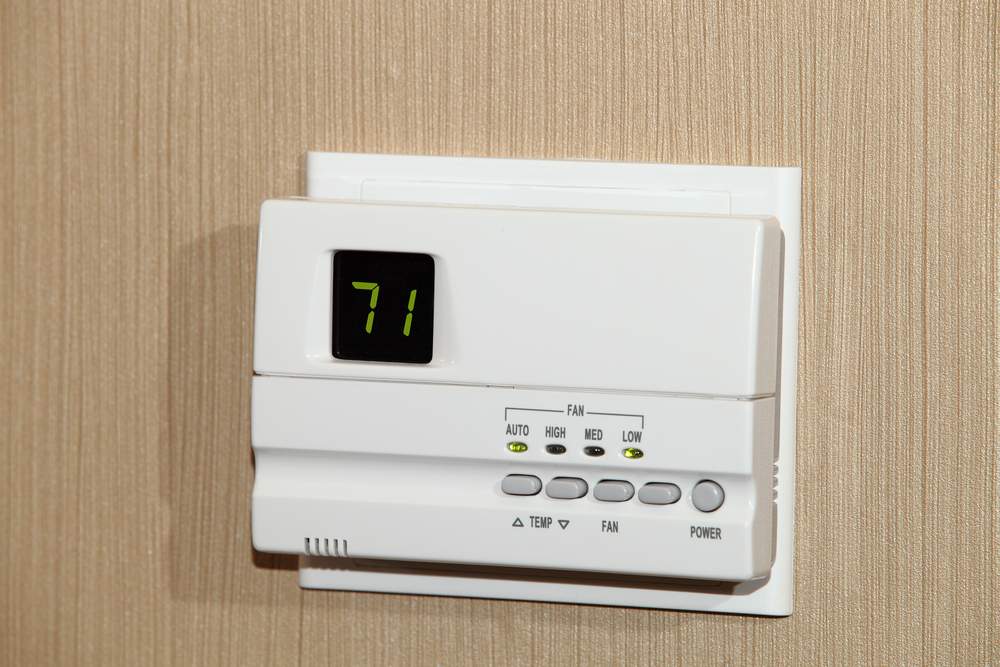
    The wiring in the heater’s thermostat can come loose causing a short to occur. Shorts can also damage sensors or the electronics within the furnace itself. Thermostats that fail often deliver erratic readings or cause the furnace to cycle on/off more than it should.

    Problem 4: Heat Exchanger

    Howard Air - Common Furnace Problems Heater Exchange

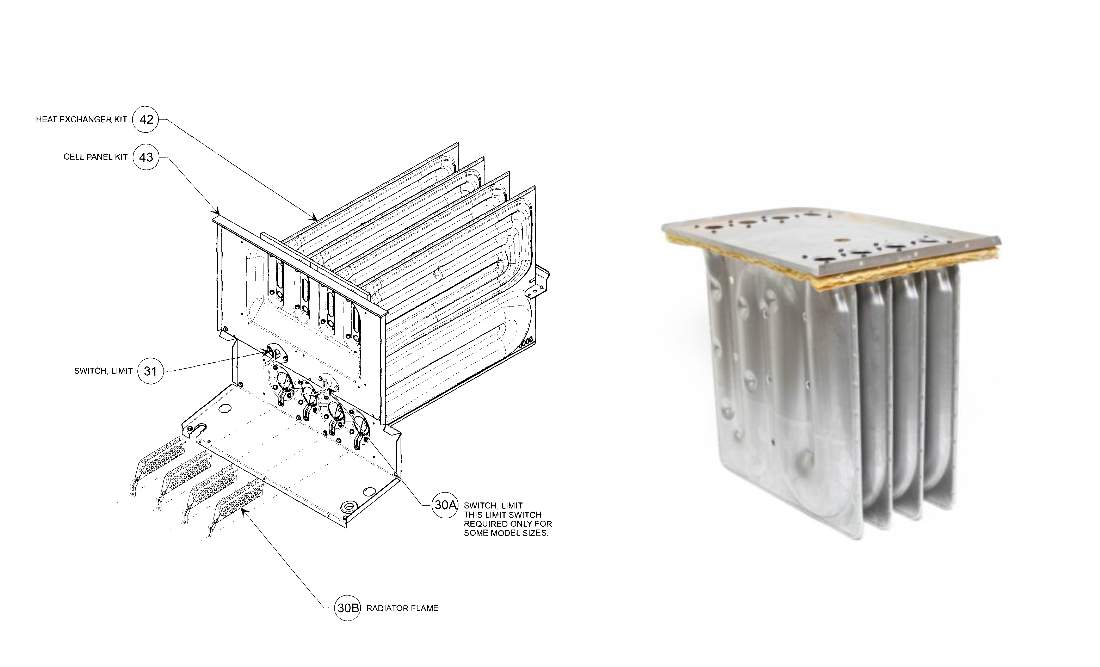
    Broken heat exchangers are a common reason for a furnace blowing cold air or not blowing air at all. The thin metal of the heat exchanger can become cracked, covered with debris, or rusted from repeated moisture exposure.  It may need to be replaced.

    Problem 5: Ignition/Pilot Problems

    Howard Air - Common Furnace Problems Pilot Light

    Pilot lights can easily go out when a draft blows through the furnace room. Ignition can become a problem when the igniter becomes rusted or comes loose. Fortunately, these common furnace problems can be resolved by replacing the igniter and blocking the source of the draft.

    Problem 6: Broken Belts

    Howard Air - Common Furnace Problems Broken Belt

    The belt inside the furnace blower can wear out and break over time. When it does, it can make it impossible for the furnace to circulate hot air through the duct work. Replacing the belt resolves the problem.

    Problem 7: Blowers

    Howard Air - Common Furnace Problems Blower

    Parts such as the limit switch within the blower can wear out, which can cause the blower to run continuously. When this occurs, the furnace blows cold air throughout the home. A furnace not blowing hot air should always be checked by a licensed professional.

    Problem 8: Power Shorts

    Howard Air - Common Furnace Problems Power Short

    Furnaces require a considerable amount of electricity to operate. If an improper fuse is used, it can cause the breaker to trip when power circulates through the system. If that’s not the problem, it’s possible that wires have come loose and the unit is grounding out.

    Problem 9: Gas Clogs

    Howard Air - Common Furnace Problems Gas Line

    Leaks, kinks in the hose and clogs in the system can reduce the amount of gas that reaches the unit. These problems should always be repaired by a qualified repair technician.

    Contact Howard Air & Plumbing for All Your Furnace Problems

    We invite you to contact Howard Air & Plumbing at 480-648-0055 when your furnace goes on the blink for any reason. We will be happy to come to your home and repair the issue as soon as possible. Our professional technicians can quickly assess the cause(s) of your problem and recommend the appropriate repairs needed to get your heating unit back up and running. Should you need a replacement unit, we can recommend one that fits your home and budget. Please contact us today!

    Article Updated: Aug 2023

  • How Much Does A New Gas Furnace Cost?

    Furnaces will eventually have problems and their life expectancy will run short. When this happens, you have two choices: (i) repair the furnace or (ii) buy a new one. With a used car, you get the chance to look under the hood, kick the tires and to test drive the vehicle. You know you likely will be spending at least several thousand dollars, so you want to do your research.

    How Much Does a New Gas Furnace Cost?

    For about what you will spend on a used car, you can buy a new gas furnace, but you do not get the same chance to test it out. How much will you pay?

    Howard Air - How Much for a New Gas Furnace Unit

    Typical Prices

    For Phoenix and other large markets, gas furnaces are in great demand. They are extremely efficient, generally easy to service and amazingly reliable. This means you can expect to pay a market price that balances local demand with keen competition.

    The experts at Cost Owl point out the many factors affecting the final price for new gas furnaces and installation:

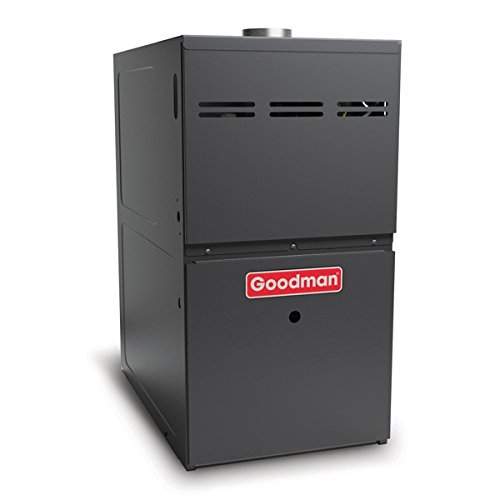
    If replacing an old unit, your home can keep most of its ductwork with minimal new runs, so expect to pay between $2,000 and $4,000 for a mid-efficiency gas furnace, installed, or $3,000 to $6,000 for a high-efficiency system.

    If running new ductwork or installing in new construction, expect to pay $10,000 to $15,000.

    Each additional heating zone could add between $1,000 and $2,000.

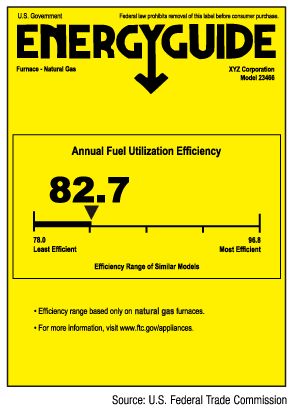
    Numerous options, such as a Wi-Fi programmable thermostat, air purifier or deep-media air filter, will add to the cost. Modifications to existing chimney work may be necessary for the highest Annual Fuel Utilization Efficiency (AFUE) gas furnaces.

    High AFUE

    The wise advisers at Consumer Reports caution against going with a rock-bottom price for a gas furnace. Efficiency matters, they say, because you will compound your energy savings the more years your new furnace is in service.

    Howard Air - How Much for a New Gas Furnace - AFUE

    Compare purchase and installation costs of a 90 percent AFUE gas furnace against a 97 percent AFUE unit; you will generally find you save money over the life of the unit.

    Energy Star

    Arizona is in the “southern tier” of states for the federal Energy Star program. This means our Phoenix gas furnaces must be at least 90 percent efficient by AFUE; the higher the AFUE, the pricier the purchase, but the more you will save in energy costs.

    Contact Howard Air & Plumbing Today!

    At Howard Air & Plumbing we will be happy to talk to you about the costs and benefits of new gas furnaces. Contact us today at (623) 201-5153 to find out your options, learn about sizing and hear about the amazing advances in heating technology since your old furnace was installed.

    See also: How to Clean a Furnace

  • Plug-in Heaters For Your Home: A Hot Low Cost Option

    If you are shopping for plug-in heaters for home use, you probably have a few cold spots in your home that just leave you… well, cold! Before we take a look at some outstanding models to consider, let’s evaluate the advantages and disadvantages of using plug-in heaters in your home.

    Pros vs Cons of Plug-in Heaters

    Perhaps the most obvious benefit of portable, plug-in heaters is that they can help warm a room simply by plugging into an outlet.

    Plug-in Heater Pros:

    Howard Air - Plug-in Heaters for Home Pros
    • Lightweight
    • Inexpensive compared to full central heating systems
    • Quick to heat up

    Plug-in Heater Cons:

    Howard Air - Plug-in Heaters for Home Cons
    • They can tip over
    • They must be kept some distance from flammables
    • They have very limited range
    • They are not energy efficient

    No plug-in heater for home applications is intended to heat more than a small room, or even just a portion of a room. Be sure to inspect safety features, such as automatic shut-off, tip-over switches and other helpful innovations. Be very aware when your heater is on, and never fall asleep with a plug-in heater turned on.

    Top Plug-in Heater Picks

    Howard Air - Plug-in Heaters for Home: Lasko

    Lasko Ceramic Tower Heater

    The Lasko Ceramic Tower Heater has multiple heat settings and a remote control. Available through Amazon, this 1500-watt ceramic heater earns rave reviews with Amazon customers. It features widespread oscillation with a digital thermostat, LED display and an eight-hour timer.

    Howard Air - Plug-in Heaters for Home: HowPlumb

    HowPlumb Portable Space Heater

    HowPlumb’s Portable Space Heater, also rated at 1,500 watts, comes in at about a quarter of the price of the Lasko heater while still garnering five stars on Amazon. It is only meant to heat 800 square feet (or 6,400 cubic feet). It has two heat settings and provides an adjustable thermostat. This pick has two nice kid-friendly features: a safety tip-over switch and automatic overheat protection system.

    Howard Air - Plug-in Heaters for Home: Ivation

    Ivation 1500-watt Digital Heater

    Ivation’s 1500-Watt, six-element infrared quartz offering has a digital thermostat, remote control, a timer and air filter. This compact heater heats you, not the air (infrared only heats objects, not air). You can dial in preset heat programs, and the attractive case design blends with wood furniture.

    Howard Air - Plug-in Heaters for Home: Pleasant Hearth

    Pleasant Hearth Legacy Electric Stove

    Pleasant Hearth’s Legacy Panoramic Electric Stove is a decorative 400-square-foot heater using a two-stage, fan-force blower. It simply plugs in and provides instant flame appearance, ember bed and 4,600 BTU of radiant warmth.

    Have More Heating Questions? Ask Howard Air & Plumbing!

    All of these plug-in heaters are great options for your home, but a central heating system that uses clean, safe fuels will certainly be the most effective option for keeping you warm. So if you’re tired of worrying about those cold spots and don’t want to invest in temporary fixes, contact Howard Air & Plumbing today to get a long-term solution to your heating needs.

  • Efficient Air Conditioning System Design for New Home

    Given the importance of efficiency, value and cost when it comes to an air conditioning unit, we at Howard Air & Plumbing understand the necessity of a good system design. An ill-designed AC system not only costs the consumer more on their energy bill, but it also makes it more difficult for our technicians to repair and maintain during service calls.

    To this end, if you’re a custom home builder, or simply want to design an efficient home comfort system within your existing architecture, we at Howard Air & Plumbing are exceptionally-qualified for the job.

    Two Major Factors to Efficient AC Design

    We’ve been servicing our Arizona clients for decades and our technicians are NATE-certified with expertise in every major HVAC brand.

    1. Building an Efficient AC System

    Howard Air - HVAC System Diagram

    One of the first things you need to have performed are load calculations – usually, this entails employing the HVAC Quality Installation Standard as detailed by the Air Conditioning Contractors of America (ACCA). This further entails proper utilization of computer software programs in understanding the parameters of the system you have designed – so that everything comes out correctly and that the physical system operates properly once installed.

    2. The Complexities of the Duct System

    Howard Air - HVAC Ductwork System for Home

    Air conditioning system design hinges on a properly-designed duct system. If anything goes awry here, the entire system is compromised, and you’ll experience operational inefficiencies that only get worse; costing you money every moment.

    The ducts are responsible for moving conditioned air throughout your house after the AC unit removes the heat from it. Our NATE-certified HVAC technicians always make sure to adhere to the computer-rendered optimal system design, so that our customers don’t experience higher energy bills, poor air quality, loud noises and general discomfort. Having the right-sized ducts placed correctly is essential to the air flow in the system.

    Howard Air & Plumbing

    For spirited self-designers, there are charts that help you judge the duct size based on the size of the rooms the AC system will treat. The measurement is called the CFM, or cubic feet per minute. Charts – which can be found online – convey the amount of energy it takes to heat or cool a room of a given size, and the necessary duct diameter for that room.

    For maximum accuracy, contact Howard Air & Plumbing at (623) 201-5153 today and we’ll make sure you get the best system set-up possible.