Author: admin

  • Before Buying an AC Unit in Phoenix, Here’s What You Need to Know

    Before Buying an AC Unit in Phoenix, Here’s What You Need to Know

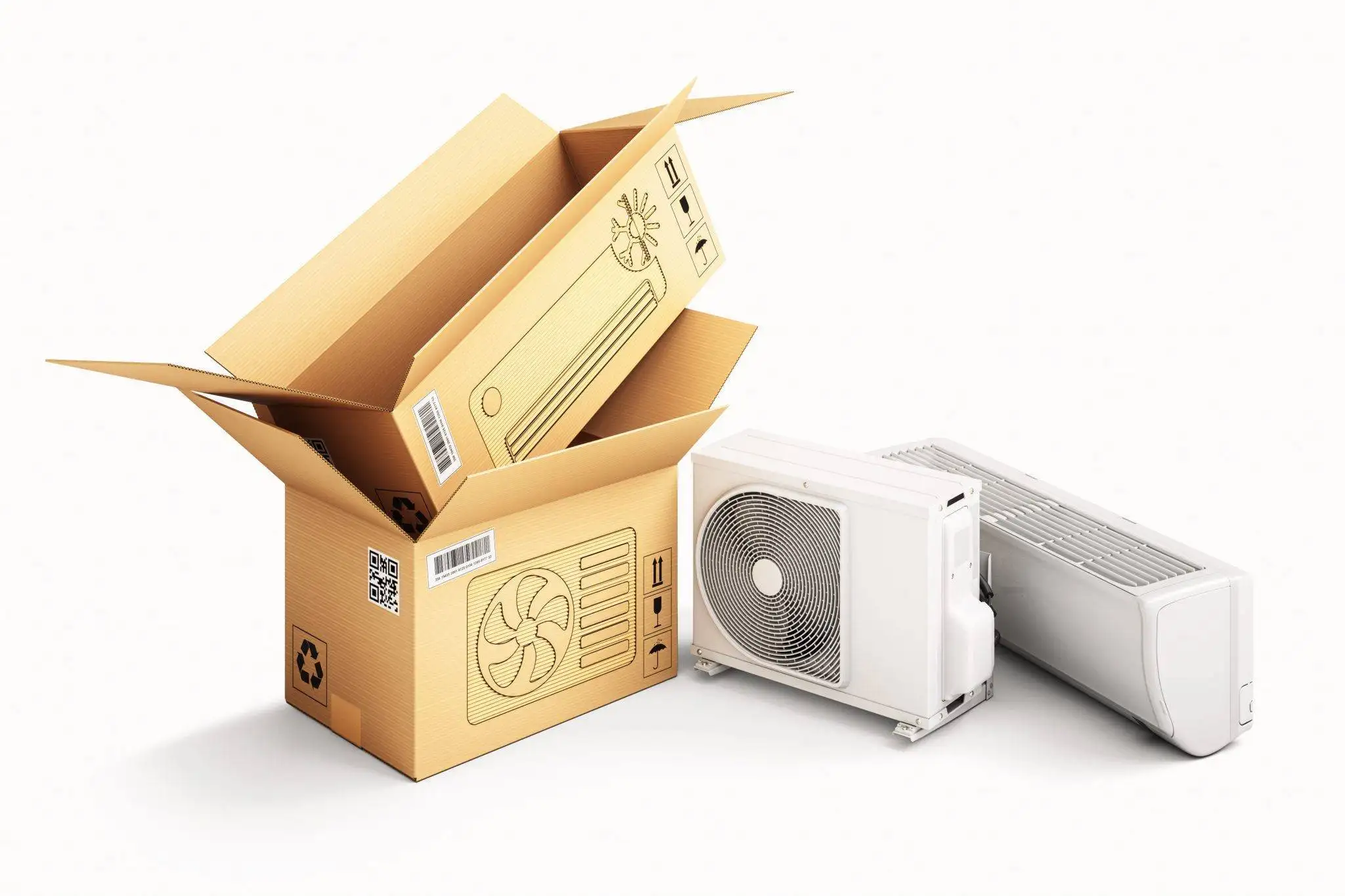
    Phoenix is hot and especially during the summer months. Phoenicians want relief, and central air conditioning is the answer. A good HVAC contractor installing new air conditioners stays very busy all year long. Before you leap at a “bargain” AC unit, consider the other half of the equation: proper air conditioner installation.

    Buying a New A/C Unit in Phoenix Checklist

    Here’s what you need to know when buying an air conditioning unit in the Valley of the Sun.

    #1 Choose an A/C Company First

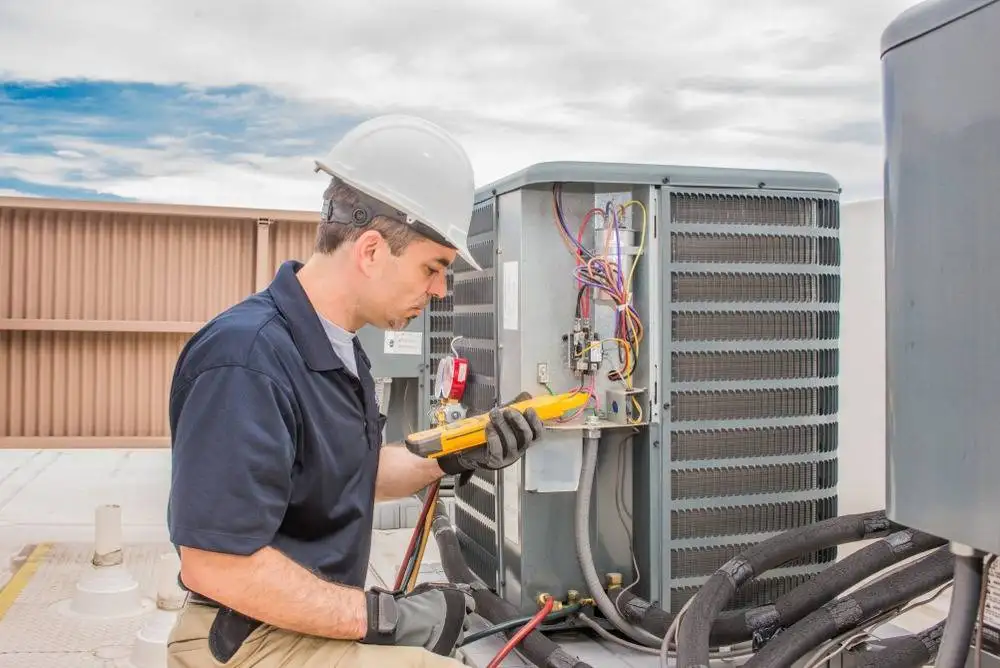
    Before deciding on a new air conditioner, decide on the right installer. New central AC units are not ready to run. Manufacturers expect the HVAC installer to finish the work begun in the factory, including installing parts, balancing the system and adjusting all settings. The contractor is the last step of the assembly line. You need a local, reliable contractor who can flawlessly finish your investment the right way the first time.

    Look for a contractor who emphasizes continual training of technicians, backs up the service trucks with experienced managers in the main office and networks with leading manufacturers of central air conditioners. A plumber sidelining in AC, for example, may not be as reliable as a Phoenix HVAC contractor with decades of experience.

    #2 Properly Account for the Size Your Home or Business

    That HVAC contractor should turn to the ACCA Manual J or Manual N to properly calculate residential or commercial cooling loads. Contractors cannot do this work in their heads. From the load calculation the best ductwork design can be determined via Manual D or Q. The contractor should guide you not to a brand but a size, using Manual S or CS.

    A trustworthy contractor also knows not to depend on the size of the previous unit if you are replacing a central air conditioner. Older models were far less efficient than today’s modern marvels. For a smaller physical footprint (and carbon footprint) than your old model, you can get greater cooling power out of high-efficiency systems.

    #3 Check Price Points

    The equipment is one cost; installation is another. You may spend a lot for a premium central air conditioner, but if you select a poor installer, you will never get your money’s worth from the system. A really good HVAC technician, such as the professionals at Howard Air & Plumbing, can install a modestly priced system that will perform better than a high-priced system incorrectly installed.

    Contact Howard Air & Plumbing for an Honest Quote

    If you are choosing to buy and arrange installation from the same HVAC contractor, look for an experienced contractor who works with several brands. Each manufacturer usually has several brand lines, marketed at economical, mid-priced and high-end price points. A trusted, local contractor like Howard Air & Plumbing can help you decide first between manufacturers and then between different models by the same maker.

    Contact Howard Air & Plumbing today to learn how we can be the difference between keeping your cool in Phoenix this summer and getting really hot under the collar.

  • The Ultimate Guide to Air Conditioning Maintenance

    The Ultimate Guide to Air Conditioning Maintenance

    Air Conditioner Maintenance – The Ultimate Homeowners Guide

    What You’ll Learn

    As you read this complete guide to air conditioner maintenance, you’ll learn:

    • The benefits of regular air conditioning maintenance far outweigh the costs because tune-ups keep your home more comfortable and save you money in the long run.
    • There are a few DIY A/C maintenance things that just about everyone can handle, and it all starts with understanding your HVAC system.
    • More involved air conditioner maintenance will still require an HVAC contractor or your local A/C repair company.

    Why Is Air Conditioning Maintenance Important?

    When you live in Phoenix, we really don’t have to explain to you why your air conditioner is so important. In fact, this city couldn’t possibly be what it is today without air conditioning. Life in the desert can be extremely challenging, and air conditioning makes it much easier to survive and thrive even when the weather outside is oppressively hot.

    Air conditioning units first became widely available in the 1950s thanks to prosperity in the United States after World War II. As the prevalence of air conditioners started to rise, so did the population of Phoenix. It’s no coincidence that Phoenix has gone from being the 99th most populated city in the country to the 5th since air conditioning was invented.

    Because air conditioning makes life a lot more pleasant here in the Valley of the Sun, it’s important to make sure you’re taking care of your system. If you let your system get so out of shape that it fails completely, your home might get miserably hot within a matter of hours. Keeping your home comfortable is one of the top benefits of A/C maintenance, but it’s far from the only one.

    Air conditioner tune-ups, regular DIY maintenance, and other effective services will help produce the following advantages:

    • Make your air conditioner last longer.
    • Save money in the long run by preventing expensive repairs.
    • Make your air conditioner operate more efficiently to reduce the cost of utility bills.
    • Improve the air quality in your home.
    • Achieve a more comfortable home by keeping the temperatures more consistent throughout every room.

    To achieve all of these benefits, it’s important to develop a strategy for air conditioner maintenance.

    Best A/C Maintenance Strategies

    You don’t have to become an HVAC contractor to learn a thing or two about getting the most out of your equipment. In fact, everyone can develop a successful maintenance strategy, largely because it’s so easy to get help from dedicated professionals. When you want to create a plan that will help you keep your air conditioner in great shape, save you some money, and make your system last longer, it generally comes down to three simple steps.

    1. Learn some of the basics about your system. Most importantly, learn about common air conditioner problems and how to solve them.
    2. Next, learn about some simple DIY air conditioner maintenance tips. This will help you know what to check before you call for air A/C repair.
    3. Finally, learn how to recognize when it’s time to call for help. It’s advisable to keep standing appointments for A/C tune-ups, and learning how to diagnose common problems will also help you know when to call for help proactively.

    As you start planning your A/C tune-up and service strategy, you may notice that learning how to diagnose common issues is perhaps the most important part of the equation.

    Common Air Conditioner Problems

    Recognizing that there is a problem is the first step toward solving it. Knowing a thing or two about some of the most common air conditioning issues will also make them less intimidating. Many people put off air conditioning maintenance and repair simply because they don’t know what to expect, which makes the process scary to them. Learn a little bit more about the following problems, and you’ll be prepared for whatever your HVAC system throws your way.

    Poor A/C Airflow

    HVAC airflow problems can be extremely frustrating. The A/C unit is operating, but none of that cold air is actually reaching your rooms, which is the whole point. Understandably, you’ll want to figure out what’s wrong and get it taken care of as soon as possible. We can normally attribute air conditioning airflow problems to one of the following causes:

    Blocked or Damaged Ducts

    The ductwork that runs throughout the building is responsible for delivering treated air to all rooms. If this ductwork becomes damaged and develops a leak, all of your cool air can leak out into the walls. It’s also possible that your ductwork has become stopped up with dirt, dust, or something else that prevents air from coming through as it should.

    Clogged or Dirty Filters

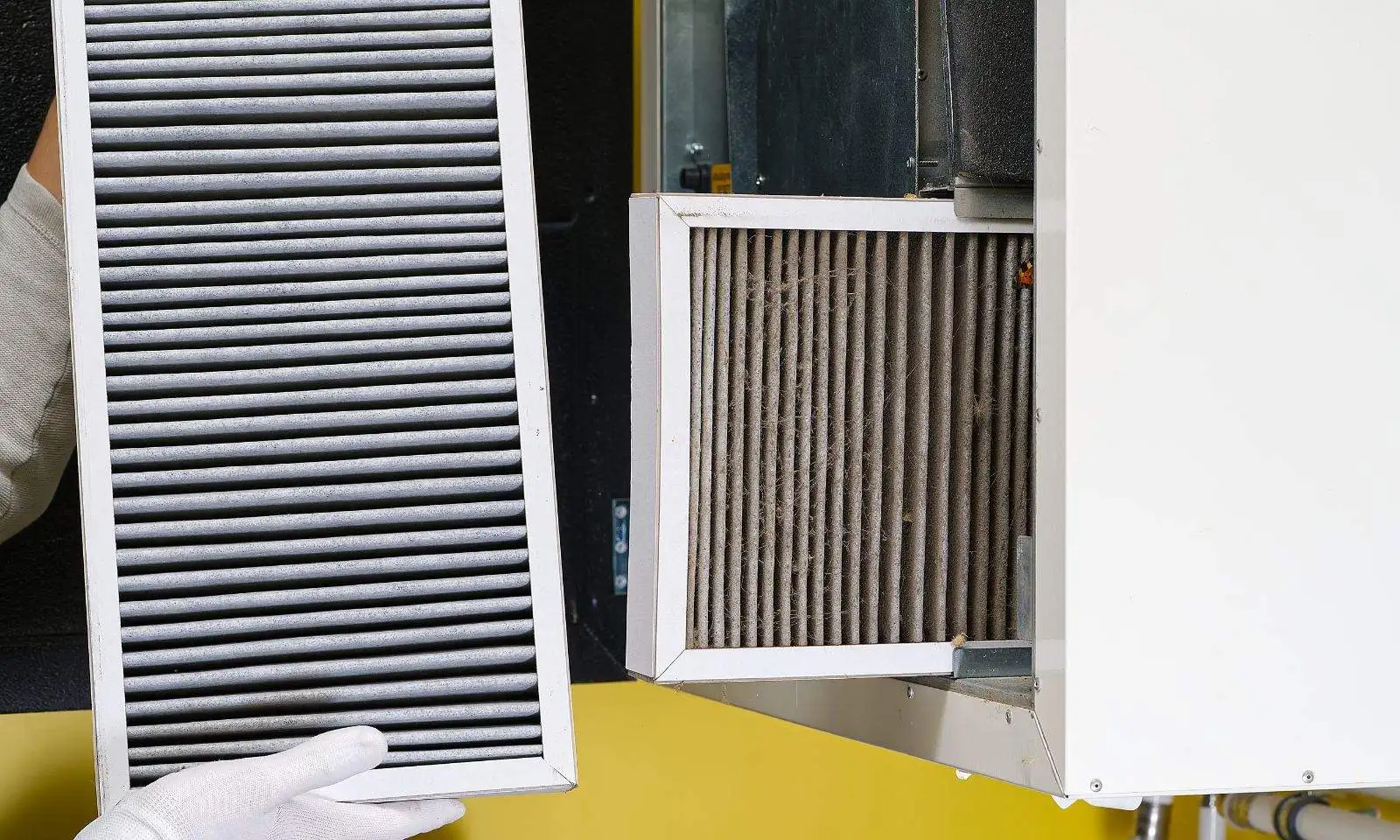
    The filter exists to keep contaminants like dirt and dust from getting into your ductwork. This is an important job, but it also means the filters themselves are catching all of those things. Eventually, they may get so dirty that they can’t let air through anymore. Luckily, changing the filter is one of the easiest things you can do by yourself to restore airflow.

    Covered Vents or Dampers

    If you notice that poor airflow only makes one of your rooms especially uncomfortable, this might be the cause. Sometimes vents or dampers get stuck in the closed position and prevent air from coming out. Additionally, make sure you aren’t blocking any of the vents with things like rugs, furniture, or anything else.

    Wrong Ductwork

    Your ductwork and your HVAC unit itself have to be compatible. If your ductwork is too big and cavernous, your air conditioner will have a hard time pumping out enough air to fill the ductwork in a way that gets cool air to the rooms. On the other hand, if your ductwork is undersized, it can’t accommodate all of the air. Unless you’ve had new ductwork installed recently, compatibility shouldn’t be the problem.

    Obstructed Condenser Coils

    The condenser coil is the component that transfers the heat collected inside your home back to the outside. If it’s too dirty to release temperature the way it should, your system can’t complete the heat transfer effectively, which leads to airflow problems inside. If this is a problem at your home, pay special attention to the section on maintaining the outdoor unit under DIY air conditioning maintenance below.

    Bad Air Conditioner Thermostat

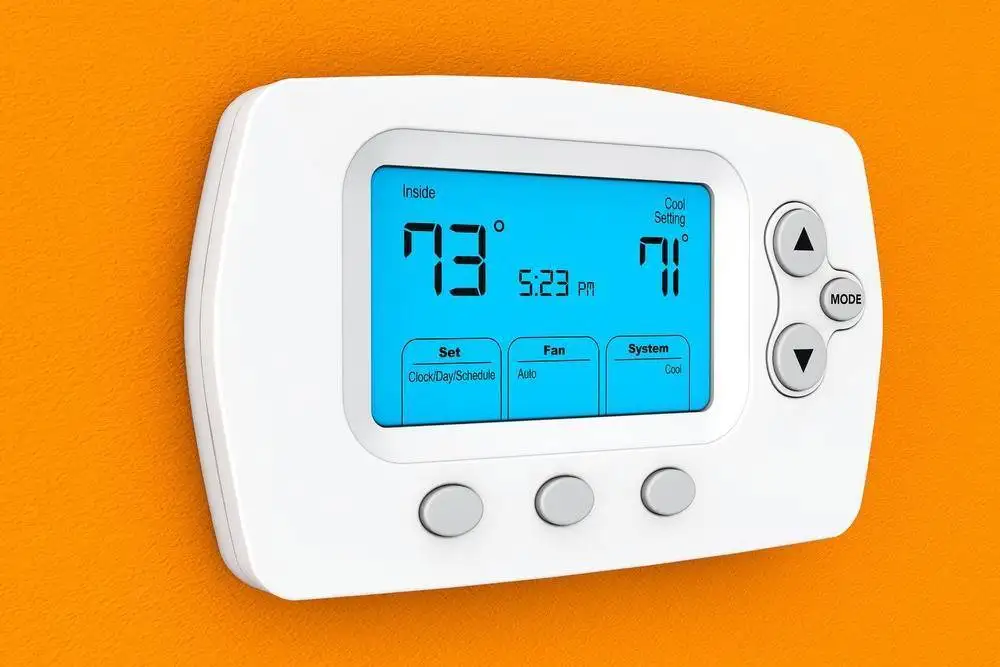
    Thermostat problems are something of good news, bad news situation. The good news is that this may be a simple fix if your thermostat has just landed on the wrong setting (perhaps because someone else in the house has been fiddling with it… again). If the thermostat is set correctly and still isn’t working, the problem is likely more serious. It could be that it’s having a hard time telling what the temperature is in your home, or maybe the thermostat cannot get a signal to the rest of the system anymore.

    Electrical Problems With Air Conditioner

    There’s a lot of great technology in modern HVAC systems. Unfortunately, this means that there are plenty of opportunities for electrical problems. All of the different electrical components are connected with wiring that transfers power and signals throughout the system. If any part of this wiring fails, it can derail the entire system. You might be able to deduce that there’s an electrical problem if you notice your A/C tripping the breaker or simply refusing to turn on.

    Low Refrigerant in Air Conditioner

    Refrigerant is the special chemical that makes your air conditioner work, so there will be problems if the levels get too low. Refrigerant can also be toxic enough to cause problems if too much of it leaks out in too short an amount of time. If your refrigerant gets low, it probably means your system has sprung a leak. You can diagnose this problem by identifying any of the following:

    • Hissing or bubbling noise
    • Frozen A/C or refrigerant lines
    • Air conditioner blowing warm air
    • Rising energy bills

    Air Conditioner Making Banging Noises

    If you hear a loud banging noise coming from the air conditioner, it’s probably a compressor problem. A/C rattling noises or banging happen because a part has come loose. As the air conditioner does its job, the loose part slaps against other parts or the unit’s body and makes these noises. It’s a good idea to turn your system off before the loose part knocks any others loose, then schedule emergency service.

    Air Conditioner Screeching

    If you hear your air conditioning unit shriek while it works, it could point to one of a few different things:

    • Broken compressor motor
    • Broken blower fan motor
    • Failed bearings in the fan motor

    Motor problems are serious, so again, it’s a good idea to turn the system off until you can get it repaired.

    Broken Condensate Airflow Switch

    Also known as the float switch, this is responsible for ensuring the unit turns off when the drain pan gets full of water. There are a few signs you can look for that will tell you if the switch has failed. The first sign is that your air conditioner runs continuously. The next sign is that there is algae, mildew, or a moldy smell in your air conditioner. Finally, any leaking could be a sign of condensate airflow switch problems.

    Air Conditioner Drain Clogged

    This is such a common problem that new units actually include sensors to detect when the drain is clogged. Unfortunately, older units won’t give you any warning until the problem gets severe enough to impact performance. Either way, it’s a good idea to give the drain pan a look every time you replace the filter in your air conditioner. If you see water backing up, you may be able to get the clog out yourself, but don’t try anything you’re not confident about. You don’t want to make the problem worse by damaging the system while trying to fix it.

    Air Conditioner Freezing

    Your air conditioner should be able to get nice and cold to keep your home comfortable on those scorching days here in Maricopa County, but it shouldn’t be freezing. Take a look at your unit to see if the refrigerant lines or any other part of your system has frozen. The first step, in this case, is always to turn the system off until it can thaw out.

    Many of the problems that lead to air conditioner freezing require professional service, but the good news is that you may be able to fix it just by replacing the dirty filter. The first step here is to learn about common DIY maintenance, so you know what the options are.

    DIY Air Conditioning Maintenance

    Unless you’re an electrician or an HVAC contractor, there will always be times you need to call a professional for A/C maintenance. The good news, though, is that there are things you can do by yourself. You’ll save a little bit of money by performing some of the maintenance, and the professional service you do receive will be less of a mystery to you. The first step is to understand how your air conditioner works.

    Know Your Unit

    Gauge the complexity of your specific unit. Older units are more straightforward, which makes them simpler to understand and maintain. Of course, older units have also been subjected to more wear and tear, so they’re likely to have more serious problems. New units can be complicated because they include so much more modern technology.

    Ignoring some of the more complicated sensors and technology for now, here’s a general look at how your air conditioner works:

    • Inside your home, the evaporator exposes the refrigerant to the warm air in your home, which causes the refrigerant to build energy and collect a lot of temperature. At this stage, the refrigerant is sucking up heat from your home.
    • The hot, compressed refrigerant gas is moved by the compressor from the inside of your home to the condenser outside. With the help of metal fins, the condenser releases all of the heat from the refrigerant into the air outside your home.
    • As the refrigerant releases heat, it transitions back from a pressurized gas to a fluid. It also becomes cool once again.
    • The cool refrigerant travels back into your home, and the fan inside of your indoor A/C unit blows over it to push cool air throughout the home.
    • At this point, the process begins again.

    This is a very simplified version of the process. Still, it should give you some basic understanding of how your air conditioner works. Understanding these basics is a great first step that will help you diagnose and maintain your air conditioner.

    Maintain the Outdoor A/C Unit

    Recall from your reading on the common air conditioning problems that many of them originate in the outdoor unit. Problems in the portion of your air conditioning system outside the home could be why you have poor airflow or an air conditioner blowing warm air. Luckily, there are multiple DIY steps you can follow to help keep your outdoor A/C unit in good shape:

    • Before you do anything to the outdoor unit, turn your air conditioning system off. You can do this by turning the A/C off through the thermostat or by using the switch on the unit itself.
    • Remove any plants or debris that has gotten onto or into the unit. Avoid storing things too close to the unit, and it’s generally best to leave at least two feet of space around the unit on all sides.
    • Check the fins inside of the outdoor unit. If they’re dirty, you can clean them by hosing them off gently. Just make sure you don’t spray them hard enough that you bend them. If your fins are already bent, they will have to be straightened.
    • While you’re cleaning the outside component of the air conditioner, especially when you’re using the hose, make sure you don’t get moisture down into the motor. The system is designed to be outside so that it can stand up to some water, but it’s still a good idea to make sure you don’t spray any in at an angle where it can reach the motor.
    • Clean the condenser fan. Remember that dirty condensers can cause a lot of problems, and it needs to be clean to do its job. You can remove leaves, dust, and other debris before gently wiping it with a damp cloth.

    Once you’ve completed everything you had to do to your outdoor unit and put it back how it was (if you took the sides off for cleaning), you can turn it back on.

    Mind the Airflow

    There are two DIY things you can do all by yourself to make sure the airflow of your HVAC system stays good. First, take good care of the vents. Maintaining the ductwork itself is a bit more complicated, especially if you don’t have the right tools and equipment, but at least you can access the areas where the ductwork comes into your rooms. Keep the vents clear from furniture, and periodically check them to ensure they’re open and free from dust. If your vents are always getting dusty, you may have dirty ducts that need professional cleaning.

    Next, take good care of the air filters. Changing the filter is one of the easiest things you can do by yourself for your home, but many people still forget to keep up with this critical piece of maintenance. If your air filter gets too dirty, it will eventually restrict airflow and cause other problems like A/C freezing. Generally, it’s a good idea to change this filter every 90 days, and certainly every six months at the very minimum. If you have many people or pets living in your home, or if you have allergies, plan on changing the filter as often as every month.

    Take Care of the Indoor A/C Unit

    Beyond changing the air filter, you can do a few other things to take care of the indoor portion of your air conditioner. This unit houses the evaporator, which provides cool refrigerant, and it also holds the blower, which pushes the cool air throughout the ductwork and into your home. If either the evaporator or the blower is struggling, you’ll notice immediate problems throughout the home.

    Unfortunately, caring for these particular components isn’t nearly as easy as changing the air filter. Still, it’s important that you either learn how to do it yourself or have a professional perform an A/C tune-up regularly. If you’re comfortable with it, you might try cleaning the dust and dirt off of your evaporator coil using a no-rinse coil cleaner. It’s also fairly easy to check the evaporator drain for clogs, debris, and backups. As always, turn your system off completely before you start removing any parts or sticking your hands inside of it.

    Give Your Air Conditioner a Break

    This is the single easiest thing you can do for your air conditioner to help it stay in good health (even easier than changing the filter)! The weather in Phoenix puts a lot of strain on your system, and just like with humans, too much stress can shorten the life of your air conditioner. Take some of the burden off by getting in the habit of showing your A/C some love from time to time.

    There are multiple easy ways to reduce the stress on your air conditioner:

    • Raise the temperature by a few degrees on hot days, so your unit doesn’t have to work as hard.
    • Keep the blinds and curtains closed to block sunlight and reduce the heat in your home.
    • Turn the fan on when you enter a room, so you don’t need the A/C as much.
    • Turn the thermostat up when you leave the house for long periods of time.

    These practices make your A/C last longer. As an added bonus, they also decrease your carbon footprint and lower your utility bills. Keep in mind that great air conditioning habits can supplement the work professionals do in your home but not eliminate the need for professional HVAC service.

    Professional A/C Maintenance

    All of the above steps will help your air conditioner last longer and function better. There will still be some things you just can’t address by yourself, though. That’s completely ok, and it doesn’t mean you aren’t a good homeowner!

    All it means is that the professionals have specialized equipment and years of training that you don’t. Modern air conditioners are complex pieces of equipment. It takes a professional to keep everything running smoothly, and sticking with a good maintenance plan will work wonders for your HVAC system.

    Preventative Air Conditioning Maintenance

    The single best thing you can do for your air conditioner is connect with a trustworthy HVAC company in Phoenix and sign up for a regular maintenance schedule. They’ll come out at regular intervals, carefully check everything, then calibrate your equipment to ensure optimal health and performance. They’ll confirm that your equipment is ready for the coming seasons, and this is also an opportunity to fix small problems before they grow into big problems.

    Air Conditioner Repair

    When you get an A/C tune-up, it might expose a need for repairs. This is a good thing, though, because if you wait too long or don’t get inspections, you’ll end up needing much more significant, expensive repairs. Every air conditioner will need at least some minor repairs during the course of its life. This is just a normal part of having a complicated piece of machinery and using it heavily for many years.

    Some of the most common types of air conditioning repairs you may need to maintain the health of your system include the following:

    • Electrical Problems – If you don’t have specialized training and the proper equipment, you’ll have to have a professional handle these types of complications.
    • Short Cycling – Almost any time your air conditioner starts turning off a lot in a short amount of time, you have problems that require professional attention. You can try checking the filter to see if it’s dirty or clogged first. If the filter looks good, it’s time to call for backup to inspect the other potential issues.
    • Ductwork – Beyond peering into the ductwork just inside of your vents, you’ll need a professional to address damaged or blocked ducts.
    • Low Refrigerant – It takes a professional to fix leaks then replenish the refrigerant.
    • Failed Components – When it comes to repairing or replacing any component of your air conditioner more involved than the filter, from the blower motor to the compressor or anything in between, you’ll need a professional to find the right parts and do the job correctly.

    Repair or Replace Air Conditioner?

    The whole point of keeping up with regular A/C maintenance is that you can avoid this dilemma for as long as possible. At some point, though, you’ll eventually have to decide if it’s worth keeping up with the maintenance of your system or if you’re better off getting a new one. A professional can help you here, too. Call a trusted HVAC company in the Phoenix area, and have them give you an honest, professional opinion about all of your options.

    Air Conditioner Maintenance in Maricopa County

    If you made it all the way through the guide, congratulations, you’ve just learned a lot about the basics of A/C maintenance.

    Now you’re ready to keep an eye out for problems and even perform some light DIY air conditioning maintenance by yourself. For everything else, you can count on Howard Air & Plumbing. We’ve been serving the Phoenix area since 1977, and we know what it takes to keep your air conditioner in great shape!

    Call us anytime at 480-508-9866 or schedule an appointment online for maximum convenience.

    Image Source: David Spates / Shutterstock
  • What is SEER in Air Conditioners?

    What is SEER in Air Conditioners?

    Updated Feb 25, 2025

    What Is SEER in Air Conditioners?

    Upgrading your home’s air conditioner is a big investment, and like any investment, you never want to settle for anything less than the best. When it comes to getting the best AC unit for your home, there are several details you’ll want to pay attention to but among the most crucial are the SEER2 ratings you’ll find on each and every model. Understanding how these ratings are calculated and what they mean is the key to getting the perfect A/C match for your home.

    SEER2 is the abbreviation for an air conditioner’s Seasonal Energy Efficiency Ratio. This rating is the summary of how efficient any specific unit’s operations are, measuring the amount of energy that’s required for the unit to provide a specified cooling output to the average home over an extended period of time. Though there are ratings that range beyond, scores generally rest between 13 and 21. The higher the SEER2, the more efficient the unit in question is.


    Why Is SEER Important?

    Making up a whopping 6 percent of the total energy costs of the entire United States each year, air conditioning systems are by and large the most expensive part of any home’s monthly energy budget. SEER2 is important because it allows you to reduce this figure within your own home so you get the same amount of cooling you’re used to while creating less strain on your monthly budget. Modern units with high SEER2 ratings are between 30 and 50 percent more efficient than units installed in the 1970s, saving homeowners hundreds of dollars each year on cooling costs. In fact, upgrading to a unit with a high SEER2 can save you 20 to 40 percent off your annual energy costs compared to a unit installed just 10 years ago.

    Of course, not all the benefits of SEER2 are financial ones. Some other noteworthy benefits include:

    • A smaller environmental footprint
    • Fewer maintenance requirements
    • High tech integrations on newer models

    Installing a new unit with a high SEER2 is important because it transforms not only your budget but also your home and the way it interacts with the world around it.


    How Is SEER2 Calculated?

    SEER2 is a final measurement of how efficient your unit is over the course of an entire year. The unit is used to maintain a consistent specified indoor temperature while outdoor temperatures vary between 60 and 100 degrees. Data regarding how much energy is used to maintain this temperature over the course of the year is collected, specifically, the amount of BTUs (British Thermal Units) used per hour. The number of hourly BTUs is used to calculate the unit’s annual cooling output. Finally, the total cooling output from the test year is divided by the amount of energy required to make that cooling happen. This final figure is the SEER2, which you’ll find conveniently labeled on any unit.


    What Is a Good SEER2 Rating for an Air Conditioner?

    Though the SEER2 of units back in the 70s could range as low as 3, air conditioners on the modern market range from 13 to 21 (with some exceptions measuring higher than 21). As for what a “good” rating is, that depends on several variables, including:

    • The size and layout of your home
    • The region of the US you live in
    • How much money do you want to save

    However, to make the figure a simple one, the Department of Energy has mandated SEER2 minimums throughout the United States. For the northern region, A/C units must have a SEER2 of 13 or higher, while in the southern region, 14 SEER2 units are the minimum. These are the baseline you should aim for when shopping. Of course, the higher the number, the more efficient the unit, but most moderately-sized homes won’t need a huge unit with a 20+ rating. To determine what SEER2 will serve your home best, it’s always worthwhile to work alongside a team of professionals.


    Is It Worth Upgrading a Unit for a Better SEER2?

    Installing a new unit is an expensive, time-consuming process in many cases, especially if you have to deal with ductwork and other details along the way. On average, a new installation will cost around $4,600 (without ductwork or other related projects) – no small commitment when you have other bills and commitments in your budget to worry about. So, is upgrading your unit worth this initial cost?

    The short answer is yes – if you can afford the upgrade, it’s worthwhile. As previously noted, replacing a 10-year-old unit with a newer model with a decent SEER2 could save you nearly 40 percent on your monthly energy costs. On average, it’s estimated that your typical AC unit costs around $3.70 per day to run. It might seem like a small amount, but over the course of a month, this figure multiplies to equal around $110 just from air conditioner operations alone. If you upgrade your unit to a SEER2 with the power to save you 40 percent each month, it brings this figure down to $66. By saving $44 per month, your upgrade essentially pays for itself in less than a decade of use, and most modern units are built to last far longer than that. It’s a long-term investment, but one that pays off in multiple ways.


    Where Do You Find SEER2 Scores?

    If you’re interested in uncovering the SEER2 of any specific unit, there are several places you can look. Most of the time, you can find the rating on the outside of the unit itself. However, if you’re having difficulty locating it there, you have other options. You can generally find the score:

    If all else fails, never hesitate to get in contact with A/C professionals. They’ll have the resources needed to get you all the information you need, including SEER2 details.


    What SEER2 Is Best for Your Home?

    SEER2 is important, but it’s not the only variable you should consider when purchasing a new unit for your home. Details like the size of the unit, the size of your home, your home’s insulation and more should be considered when choosing your unit. Regardless, your SEER2 must still meet your region’s minimum requirements. Finding the right fit for your home allows your unit to function at the optimal level its SEER2 allows and ensures you’re making the most economically efficient decision in the long run.

    If you need a little help sifting through the details to find the perfect SEER2 and unit for your home, find a team of professionals to help you measure your home and sort through the hundreds of potential options. Getting an expert opinion before you buy is the best way to ensure you’re making a wise, well-informed decision that’ll serve you and your home well in the years to come. A brief, thorough assessment from a qualified technician will reveal whether your home will actually benefit from a huge, 21 SEER2 unit or if you’re better off settling for a middle-ground model.

    Contact Howard Air & Plumbing in Phoenix to get the lowdown on how you can get the perfect air conditioner with the ideal SEER2 for your Arizona home.


  • How to Buy the Best Air Conditioner for your Home

    How to Buy the Best Air Conditioner for your Home

    Updated on Feb 25, 2025

    In the intense Arizona climate, your air conditioner is your home’s best friend. Without it, those soaring summer temperatures are simply unbearable. For some, running out and buying the biggest, most powerful A/C unit for their home may seem like the best solution. After all, a bigger unit means better cooling, right? We’re here to debunk the average shopper myths and assure you that “biggest” doesn’t always necessarily guarantee “the best” when it comes to air conditioners.

    The size, shape and other details of a building should be used to determine the best air conditioner to buy for any property.  Because of this, there is no one-size-fits-all solution to finding the right unit for your home. However, by working with professionals and educating yourself on all the details upfront, you can rest assured your Phoenix home is getting exactly what it needs to stay both cool and completely efficient throughout the scorching Arizona days.


    Know Your SEER2 Ratings

    A unit’s seasonal energy efficiency rating (SEER2) measures the total cooling power it puts out throughout the year, divided by the amount of energy required to run it. These scores allow for closer regulation of how much pollution is being released into the air to run home A/C units, which are one of the biggest energy users in any home on a monthly basis. Though these regulations are constantly being upgraded by experts and lawmakers as new technology and information come to light, the score is an invaluable piece of information to homeowners across the United States, especially those living in hot areas where their air conditioning unit will be used more often.

    The SEER2 rating is the first checkpoint you’ll want to inspect on any potential unit. It’s the most reliable way to evaluate the overall efficiency of any model you have your eye on and gives you an accurate read on what to expect from both cooling power and monthly costs for the foreseeable future. Considering many residents of hot, dry areas like Phoenix will pay up to 5% more for energy spent on air conditioning than the average American on a monthly basis, finding the efficiency and cooling you need is a big deal. Fortunately, looking more closely at the SEER2 will give you the info you need to make an informed decision.


    Finding the Right Score

    When you buy a new unit, you’re required to at least opt for the bare minimum SEER2 in accordance with federal regulations, which is currently 14. This is the lowest score allowed for new units according to federal regulation and is the baseline you should consider when choosing your new unit. However, the SEER2 scale ranges from the bare minimum of 14 all the way up to a whopping 25, leaving many homeowners in doubt of whether they should spring for a higher rating or not.


    While 25 SEER2 units may seem like they should be twice as efficient as a SEER2 of 14, the truth is that bigger units don’t always necessarily deliver high energy savings. Your home’s Thermal Rating will ultimately determine an adequate SEER2 rating for your new system.


    Your Home’s Thermal Rating

    You can have the biggest, most impressive 25 SEER2 air conditioning unit around and still experience inadequate cooling and extremely high monthly energy costs if your home isn’t properly insulated and protected from leaks. The ability of your home to maintain a cool interior while keeping the outside heat at bay is known as its thermal rating. Your home’s overall thermal rating depends on a wide range of factors that determine how well it’s able to keep your cool air inside when your unit is running. The most important ones include:


    • Sealing and insulation on your home’s ductwork
    • Overall roof condition
    • Proper attic space ventilation
    • The efficiency of doors and windows throughout the house
    • Insulation in the walls and ceiling


    Each of these elements works in different ways to ensure the hot air stays outside, while the cool air being circulated indoors stays that way for your enjoyment. Ensuring efficiency in these areas has a direct impact on how well any A/C unit is going to work, regardless of the SEER2. 


    SEER2 and Home Thermal Ratings

    Imagine you’re living in a home that has a poor thermal rating. Perhaps your windows are old and inefficient and your roof is in poor condition. When you install a SEER2 14 air conditioning unit, the unit works as expected to deliver cool air through the ducts of the house, reducing the temperature in the connected rooms. However, energy is likely to leak out of the more inefficient spaces, leaving you with a higher energy bill as the unit works hard to make up through the cool air lost through the windows and roof inadequacies.

    Now, imagine doing the same with a 25 SEER2 unit. The unit uses less energy to create the cool air that’s sent through the ducts of your home, but the cool air is still being lost through inefficient windows and shortcomings in the roof. This leaves the 25 SEER2 unit working overtime, too, to keep your house at the specified temperature on your thermostat.

    The issue here is the lost air, not the unit itself. Units with a 25 SEER2 are by nature more efficient than one with a 14 SEER2, but if they’re working constantly to maintain the temperature in a house full of drafts and leaks, that efficiency goes to waste because it ends up working just as hard. Considering units with SEERs higher than 14 can cost up to 50 percent more to install in the first place, making them less economically efficient for many homeowners, especially if the homeowner doesn’t intend to spend more than 5 years in the home in question.

    These numbers can be confusing to the inexperienced. It’s understandable – most people aren’t trained in the technicalities of how air conditioners work or how they’re regulated. That’s why it’s best to work with a professional who does know these details throughout the search for the perfect unit for your home. They can evaluate the overall efficiency of your home as it is, and either recommend upgrades to bump up your home’s thermal rating or recommend a unit that gets you the cooling you need without paying for higher SEERs that may not benefit your home or your wallet. 


    Types of Units

    Now that you understand SEER2 and how the score impacts your monthly energy bill, it’s time to move on to the next big decision: what type of unit do you want in your home? While there are seemingly endless brands and models to choose from, but most A/C units can be broken down into one of two categories: central air conditioning and individual units. Of the millions of homes across the United States that have air conditioning, over 90 percent of them use central air, which is probably what you’ll want to focus on if you reside in Arizona.

    Central air consists of two parts: the outside unit (usually a large, box-like metal structure) and the indoor unit. For many homeowners, the indoor units use vents and ducts throughout the house to deliver cool air where it’s needed. This is an example of a normal central air conditioning unit. The thermostat dictates the temperature air will be cooled to, while a compressor, blower, and refrigerant work together to create cool air and circulate it until that temperature is achieved.

    However, some homes aren’t suited for handling the ductwork required to make a traditional central air unit function. Fortunately, that doesn’t mean centralized air is out of the question entirely. Owners of homes that can’t support ducts can instead opt for split-ductless systems, which, as their name suggests, do the work of central air without the ducts. Instead, indoor wall units (usually mounted high up on the wall) with blowers are connected to an outdoor unit. These are not technically central air units, but the work they perform is nearly the same and they serve as a great alternative for homes without ducts.


    Choosing Your Unit

    Most homeowners will opt for a traditional central air unit simply because it’s familiar, straightforward, and more or less the industry standard in the southwest. There’s no problem with that – these units are a favorite among homeowners for a reason. They come with a wide range of SEER2 options, too, allowing a more custom cooling experience for any home. Furthermore, with so many options to choose from, you can always rest assured you’ll find an option for both your immediate budget and your monthly energy budget in the years to come. If you already have ducts or wish to install them, then this is generally the way to go.

    If you don’t have ductwork or the home or budget to install ducts, then the split ductless system is the way to go. Generally, they can be a bit more expensive than window units and other non-ducted options, but they provide the most effective and efficient cooling possible outside of a central air unit, which is a crucial detail when combating something as intense as the Phoenix heat.

    Regardless of which you choose, ensure you’re checking on the SEER2 score along the way and working with a qualified professional to ensure you’re really getting the performance you expect, especially before dropping a huge investment on any unit. Responsibly upgrading your home’s unit starts with gathering information, and a trained, licensed professional can help you get all you need and more. 


    Installation

    Some people may be tempted to choose a split ductless system over a central air unit simply because they believe they can skip out on the labor costs and perform the installation themselves. However, this is not the case. Even split-ductless systems have an outdoor unit and connect the interior blower field. Regardless of which type of unit you choose in the end, anything larger than a window unit needs to be installed by a licensed professional. It’s imperative for not only getting the performance you need out of your new unit but also for staying unit to the outdoor one can be a huge challenge, especially for those with little to no experience in this particular safe both during the installation process and in the months to come. At Howard Air & Plumbing, we believe the installation is the most important stage in maintaining the longevity and life of your comfort system, so we take extra special precautions and measures when performing a quality install. Have an installation quote or estimate in question from a licensed professional, but don’t know if you’re getting your money’s worth? Howard Air & Plumbing is here to provide FREE second opinions to any licensed contractor’s evaluation in question, guaranteed. Call us today or schedule a free second opinion with one of our factory-authorized team members today!


    Find Your Perfect A/C Unit Today

    Whether you have the most efficient home on the block or you’re dealing with basic builder’s grade materials, there’s an air conditioning unit out there that’s perfect for your house. Contact Howard Air & Plumbing to find out which, exactly, that perfect unit is and buy a new unit that caters to your home’s individual needs. These licensed professionals have all the know-how and industry experience to set your Phoenix home up with an A/C unit that works for you. Whether you’re simply looking to learn more about the SEER2 score of a certain unit or you’ve selected your unit and are ready for fast, professional installation, these pros have your back throughout the entire process.


    *Image: By doomu

  • How to Repair Central Air Conditioners

    DIY Tips for Diagnosing & Fixing Issues With Your A/C Unit

    If you’ve owned a home for several years, chances are you’ve had the dreaded AC breakdown, and chances are even better that it was during the sweltering heat of summer. Handling air conditioner repairs is a job for a professional – we don’t advise that even seasoned do-it-yourselfers do more than basic cleaning and maintenance on central air conditioners.

    Your central air conditioner has two units, the condenser and the evaporator. Your condenser is sitting outside, on top of a concrete slab. Inside your home, usually in the attic is your evaporator.

    Let’s look at some of the common issues that will cause your central air conditioner to malfunction, the repairs necessary to fix them, and what you can do to help.

    The Condenser Isn’t Running:

    1. First, check to be sure there’s no problem with your power source.
    2. Check for blown fuses or tripped circuits.
    3. Then, make sure your thermostat is set to a level that would cause your air conditioner to kick on – lower the thermostat five degrees to ensure that the problem isn’t just a faulty thermostat.

    If you’re in Phoenix and neither of those fixes works, please give the friendly professionals at Howard Air & Plumbing a call – the problem could be a faulty motor or compressor.

    Insufficient Cooling:

    1. Check your thermostat – this is always a good first step.
    2. Then, check your air handler outside to make sure the fan blades are spinning and the vents are not clogged with debris or dirt.

    It could also simply be that your unit is too small or not functioning optimally – we can recommend an upgrade to a unit suitable for your space.

    No Cooling:

    There are a few things to check here.

    1. Lower the thermostat, then check to ensure that the condenser isn’t dirty. If the condenser needs cleaning, make sure to shut off power to the unit before proceeding.
    2. Then, clean the coils and fins. Make sure to keep grass, leaves, and debris as far from the condenser as possible – as the fan pulls air through the metal grating, it will pull that debris as well.

    If that doesn’t help, it’s time to give us a call. We’ll check your refrigerant and replace parts as needed.

    Evaporator Needs Cleaning:

    1. Remove the taped insulation and pull off the access plate.
    2. Then use a stiff brush to clean the underside of the evaporator. Beneath the evaporator is a tray that helps to pull condensation away. Make sure the weep hole isn’t clogged, and use a small amount of bleach to prevent future fungus growth in the tray.

    Following a basic maintenance plan including the cleaning elements described above can go a long ways towards preventing air conditioning breakdown, but eventually even the most carefully-maintained air conditioners require service. Your AC unit works hard for many months to keep you and your family cool and comfortable in the summer months. Like all appliances, it contains moving parts that will eventually wear out and components with a limited lifespan.

    Howard Air & Plumbing – Serving all of Phoenix and Surrounding Valley

    When it’s time to maintain or repair your central air conditioner, we want to help. Howard Air & Plumbing has more than 30 years of experience as the best heating and air conditioning business in Arizona. Let us do a performance audit on your current system, provide comprehensive maintenance, or repair elements that have worn out over time. We look forward to working with you!

  • Front Page Text

    [wpspoiler name=”Air Conditioning Repair” ]Howard Air Conditioning Repair in Phoenix, Arizona specializes in customer service and giving you cool air. For more than 30 years, Howard Air has been one of the highest-rated air conditioning companies in Phoenix. In those three decades, we have dedicated ourselves to treating our customers with respect and operating our business with honesty and integrity.


    Finding yourself in need of AC Repair in Phoenix, can be an emergency situation. Call us today and we’ll give your cooling and heating unit a thorough inspection and a speedy solution to restore your home to comfortable temperatures. In most cases, a simple AC unit repair in Phoenix can be done quickly and affordably. If it comes time to replace your AC unit, we will help you to understand all of your options so that you can choose the best air conditioning unit for your home in Phoenix.


    We respect the feedback from our customers and always take what we’re told and apply it to building a strong air conditioning company in Arizona. Our promise is to provide quality work in every application- whether it is residential, commercial, sales, service, installation, indoor air quality, or new construction.


    For the best air conditioner repair in Phoenix, think Howard Air!

    Phoenix Air Conditioning Testimonial:

    [button link=”http://www.howardair.com/contact-us” target=”_blank” color=”default” shape=”rounded” size=”large” align=”left”]Contact Us to Schedule AC Repair[/button][/wpspoiler] [wpspoiler name=”New Cooling & Heating System Installation” ]Eventually, all Arizona residents will find themselves needing a new cooling and heating unit. Give us a call and take advantage of our free, no-obligation air conditioning installation estimate.


    We will make sure you understand all of your options involved in replacing your old AC unit and advise you on the best air conditioner for your specific home or office needs. Air Conditioning installation in Phoenix is our specialty and we have been number one in Arizona for more than thirty years. We are the best air conditioning company in Phoenix.


    We are Certified Trane Comfort Specialists! We offer a complete line of state-of-the-art Trane Air Conditioners in Phoenix. We specialize in repairing and servicing Phoenix Trane AC units and systems.


    [button link=”http://www.howardair.com/trane-air-conditioners-systems-units” target=”_blank” color=”default” shape=”rounded” size=”large” align=”left”]Learn More About Trane Air Conditioning Solutions[/button][/wpspoiler] [wpspoiler name=”Best AC Company in Phoenix…” ]For more than 30 years, our customers have called Howard Air one of the highest-rated air conditioning companies in Phoenix.


    We have earned an A+ BBB Rating by consistently operating in an honest, transparent, and responsible manner. We know how the summer months get in Arizona and we are quick to respond so that our customers can get their cooling and heating system back in working order and back to comfortable temperatures — without going broke in the process. Finding a professional air conditioner repair company in Phoenix can mean the difference between a happy or miserable summer. Our job is to maximize your AC efficiency while minimizing your utility bill. Call us today to find out why so many call us one of the best air conditioning companies in Phoenix. For the best AC Repair in Phoenix, think Howard Air!


    [button link=”http://www.howardair.com/about-us-highest-rated-ac-company” target=”_blank” color=”default” shape=”rounded” size=”large” align=”left”]Learn More About Howard Air[/button] [/wpspoiler] [wpspoiler name=”Trane Air Conditioning” ]Trane Air Conditioning Installation in Phoenix:
    We are proud to be Trane Comfort Specialists and be a part of the upper tier of Trane Air Conditioning Dealers in Phoenix, Arizona. We can answer any questions you have regarding your current or future Trane air conditioner and can help you find the best Trane cooling and heating system for your needs. Take advantage of rebates and tax credits! We are always happy to help you take advantage of the current 2012 air conditioning rebates available to Trane customers.


    Trane Air Conditioner Repair in Phoenix:
    A Trane air conditioner that needs service or repair is no problem for Howard Air. Contact us today and we will get your unit back to optimum working conditions as soon as possible. Contact us today and you’ll find yourself working with the best Trane air conditioning repair company in Phoenix, AZ.


    [button link=”http://www.howardair.com/trane-air-conditioners-systems-units” target=”_blank” color=”default” shape=”rounded” size=”large” align=”left”]Trane Air Conditioning Units[/button][/wpspoiler] [wpspoiler name=”We Service & Repair All Major AC Brands” ]Carrier: You won’t be sorry you’ve chosen a Carrier Air Conditioning System. They have a reputation for being very efficient and can provide years of optimal cooling and heating. Contact us today if you’re in need of Carrier Air Conditioner Repair in Phoenix.


    Lennox: Lennox AC units fall under our area of expertise. We have been servicing Lennox Air Conidtioners for years and we know them inside and out. If you’re in need of Lennox AC unit repair, contact us today and we’ll get your home or office back in working condition in no time.


    York: Repairing York Air Conditioners in Phoenix is not a problem for us. For the intense Arizona summers, a York air conditioning unit can be a great choice. If you’re in need of a repair, a check-up or an installation, call us today and we’ll help you be surrounded by cold air all summer long!


    Goodman: Is your Goodman Air Conditioning Unit not blowing cold air or in need of a tune-up? We are qualified to service Goodman units and can run a full diagnosis and consult you on all your options when it comes to Goodman Air Conditioner Repair in Phoenix. Choose the best Goodman AC Company in Phoenix Arizona.


    Rheem: We are the premier Rheem air conditioning repair company in Phoenix and have been for years. If you own a Rheem AC unit and are in need of repair or an estimate, contact Howard Air today for any service, installation or repair needs.


     Bryant: Our highly-trained technicians are experts at repairing Bryant Air Conditioning Systems. Whether you simply need a new part or are nearing the end of your system’s life and would like to know options for a new install, Howard Air is here to help. Contact us today if you’re in need of Bryant repair in Phoenix.

    [button link=”http://www.howardair.com/contact-us” target=”_blank” color=”default” shape=”rounded” size=”large” align=”left”]Click Here to Schedule Service on Your Unit[/button][/wpspoiler]

  • Reasons to Use a Programmable Thermostat

    Reasons to Use a Programmable Thermostat

    These days, homes are being designed not only to give shelter to the families living inside but also to give complete comfort. This is precisely why technology such as the programmable thermostat has become so popular in modern homes in recent years. A programmable thermostat is an advanced alternative to old thermostats, and they allow homeowners to alter the interior temperature of their home on a pre-set schedule. They’re generally quite easy to use and come with a whole host of benefits that any homeowner is sure to appreciate, including energy efficiency, huge savings on monthly energy costs, and an overall boost to convenience.


    Enhance Home Efficiency

    One of the biggest benefits of installing a thermostat that allows you to create a cooling and heating schedule for your home is that it gives a huge boost to your house’s overall efficiency. Heating and cooling costs make up nearly half of a home’s monthly energy usage, so making changes to this part of your household operations should be your first step when it comes to reducing your environmental footprint. A programmable thermostat helps accomplish this in a number of ways, such as:

    • Automatically turning down the temperature at bedtime, according to your schedule
    • Keeping the temperature cooler (or warmer) while you’re at work during the day
    • Ensuring temperatures remain consistent, and your A/C unit isn’t struggling to keep up

    Programming your thermostat to use less energy while you’re absent throughout the day or asleep at night helps to cut your overall energy use drastically. This helps to ensure you’re not being wasteful or contributing to negative impacts on the environment.


    Save Some Cash

    Since heating and cooling systems make up 47 percent of your monthly energy use, this also makes it the highest overall contributor to your energy bill. Programming your thermostat to run warmer or cooler while you’re away (depending on the season) helps you use less energy, which is just as good for your wallet as it is for your environmental footprint. Depending on the type of thermostat and air conditioning unit as well as the size of a home, it’s estimated that a programmable thermostat can save homeowners between 10 and 30 percent on their energy costs annually. This can mean saving hundreds of dollars throughout the course of a single year in some cases.


    No Need to Adjust

    When you’re dealing with a standard thermostat, you’re likely going back and forth to adjust the temperature multiple times every day. Leaving home, coming home, going to bed, waking up – all of these could involve a trip to the thermostat to adjust the settings. When you have a programmable thermostat, you can set up a custom schedule ahead of time so you can spend less time making adjustments at the wall unit throughout the day. You’ll just need to adjust your settings once per season, and then you can simply sit back and relax.


    Keep Your Home’s Temperature Consistent

    Another benefit of working with a programmable thermostat is that it keeps the temperature in your home more consistent than when you’re working with an old-fashioned model that needs to be adjusted. Regardless of the weather outside, the thermostat ensures your unit is working steadily to keep the interior of your home as warm or cool as your settings demand.

    You won’t need to adjust it in the face of a heatwave or cold snap and can say goodbye to the presence of cold or warm spots throughout the house. Consistency is key to keeping your home well and truly comfortable, and a thermostat with a smart, well-thought-out schedule is the way to accomplish it.


    Enjoy the Benefits of Connectivity

    Many new smart and programmable thermostats come with the added benefit of connectivity with devices such as tablets, computers, and mobile devices. These often come with applications that make crafting a custom heating or cooling schedule a simple process that requires no expertise to deal with whatsoever. Furthermore, this allows you to make changes to your heating and cooling schedule whenever and wherever you’d like, so it’s possible to:

    • Change the schedule from your bed
    • Turn the temperature up or down in the light of unexpected weather developments while away from home
    • Set a schedule while you’re away in the event your forget

    In short, this connectivity makes controlling your A/C thermostat infinitely more convenient and gives you truly full control over your home.


    Take Advantage of Natural Heating and Cooling

    One rather interesting aspect of being able to control your home’s thermostat is that you’ll be able to work with the world around your house to keep it comfortable while saving money. Pay attention to the times of day and the temperature changes brought on by the sun or shade trees. During winter or fall days when the sun is hanging overhead, you can adjust your heating system to allow the heat of the sun to do some of the work for it, saving some energy (and cash) in the process.

    In the summer, you can program in cooler temperatures in the middle of the day, when the sun is at its hottest in order to prevent your home from becoming sweltering. You can easily customize the temperature in any room of your house in response to the changing seasons.


    Easier Control of Climate Zones

    Some homes come equipped with climate zones, which allow you to control the temperature of certain rooms or sections of the house. However, when working with old-fashioned thermostats within these portions of your home, you’ll likely still encounter zones that are too hot or too cold, as you can’t change the temperature according to that individual room or zone’s needs at different times of the day without adjusting manually. For example, a zone that might receive full sun in the morning will require cool air, but as the sun sets, trees might shade the zone, making it cool and making air unnecessary. With a programmable thermostat, you can take details such as these into consideration and truly customize every zone of your home.


    Extend the Life of Your HVAC System

    Standard thermostats place a large amount of stress on your HVAC system throughout the day, especially if you aren’t adjusting your temperatures to maintain efficiency. Over time, the strain that a continual, unprogrammed workload places on your system begins to wear down the motor, blower, and other crucial parts, leading to serious and expensive repairs and replacements. Using a programmable thermostat to raise or lower the temperature about five degrees when you’re away from home helps to ensure you’re not overworking your air conditioning unit, which in turn keeps your system running at optimal levels and your most important equipment working smoothly for longer.

    Installing a programmable thermostat is a simple task that can completely transform how you cool and heat your home throughout the year. However, you’ll need to pair this with a home A/C tune-up to get your system truly ready from the upcoming spring months. Together, the tune-up and new thermostat will keep your energy costs low and your entire system running smoothly. Contact Howard Air & Plumbing to schedule a tune-up and inspection and learn more about what a programmable thermostat has to offer your home.

  • Howard Air Earns 2019 Angie’s List Super Service Award

    Howard Air Earns 2019 Angie’s List Super Service Award

    Howard Air & Plumbing is proud to announce that it has earned the home service industry’s coveted Angie’s List Super Service Award (SSA). This award honors service professionals who have maintained exceptional service ratings and reviews on Angie’s List in 2019.

    “Service pros that receive our Angie’s List Super Service Award represent the best in our network, who are consistently making great customer service their mission,” said Angie’s List Founder Angie Hicks. “These pros have provided exceptional service to our members and absolutely deserve recognition for the exemplary customer service they exhibited in the past year.”

    Angie’s List Super Service Award 2019 winners have met strict eligibility requirements, which include maintaining an “A” rating in overall grade, recent grade, and review period grade.

    “Howard Air & Plumbing has been Angie’s List approved since 2005. We are proud to be acknowledged for a 14th consecutive year with this award, said Kevin Howard, CEO of Howard Air & Plumbing

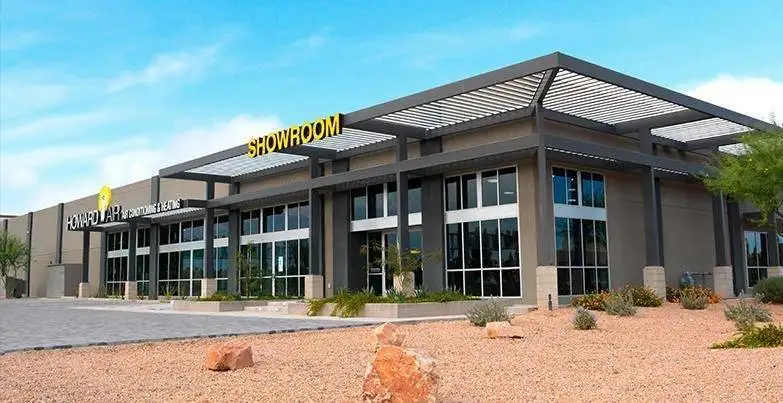
    Howard Air & Plumbing recently opened a state-of-the-art, 20,000 sq. ft. showroom and design center now open to the public. The showroom is home to the industry’s leading brands, fully functional equipment on display, interactive connected thermostats, smart home solutions, split heat pump and gas systems, rooftop systems, ductless mini-split units, wine cooling solutions, air purification products, luxury garage solutions, new construction builds and more! 

  • Consumer Affairs Names Howard Air & Plumbing Top Phoenix HVAC Services and Repair Company For 2020

    Consumer Affairs Names Howard Air & Plumbing Top Phoenix HVAC Services and Repair Company For 2020

    Phoenix, Arizona, 02/05/20 – In its latest report from Consumer Affairs, Howard Air & Plumbing has been named the #1 company in Phoenix, Arizona for HVAC services and repairs!

    Consumer Affairs bases its information on the public and reports what is relayed through reviews, surveys and satisfaction scores in the geographical location being researched. After carefully reviewing the top home service companies in Phoenix, Arizona, Howard Air & Plumbing was considered the most popular in the market for providing reliable, professional and innovative HVAC repair and replacement solutions.

    “We are excited to receive this acknowledgment! It’s a testament to our team’s dedication and the excellent work they are doing in our relentless pursuit of exceptional customer service and professional workmanship”, said President Kevin Howard.

    Howard Air & Plumbing recently opened a state-of-the-art, 20,000 sq. ft. showroom and design center now open to the public. The showroom is home to the industry’s leading brands, fully functional equipment on display, interactive connected thermostats, smart home solutions, split heat pump and gas systems, rooftop systems, ductless mini-split units, wine cooling solutions, air purification products, luxury garage solutions, new construction builds and more!

    Troubleshooting Air Conditioner Problems

    Part of the reason our team at Howard Air & Plumbing has been recognized by Consumer Affairs is that we always try to find the best possible solution to every problem. If we can restore comfort to your home and efficiency to your system with a simple repair, that’s always our preference. Our team will provide you an honest, professional opinion about all of your different options to help you find the course of action that’s best for you and your home.

    When we arrive to troubleshoot your air conditioner problems, we’ll always keep the following things in mind:

    • Price – The comfort of your home is important, and so is saving money.
    • Efficiency – We want your system to do its job correctly, and it’s also important to work efficiently to reduce utility bills all year long.
    • Reliability – Our goal is to prolong the life of your system and reduce the need for repairs.

     Best HVAC Contractors in Phoenix

    At Howard Air & Plumbing in Phoenix, we take pride in what we do. The recognition we’ve received from Consumer Affairs makes us feel great, but having a long list of satisfied customers is even more important. We live and work in the Phoenix area, so we look at every service call as an opportunity to help our neighbors. Whether you need regular AC maintenance, a repair, or a whole new HVAC system, our team is here to help. We’ll always walk you through all of your options so you can find a solution that comes at the best price for you. Contact us today, and we’ll see what we can do to make your home as comfortable as possible.

  • Howard Air Training Center, Showroom is Future Focused

    Howard Air Training Center, Showroom is Future Focused

    Howard Air & Plumbing was recently featured in the January 2020 Edition of HVACR Today. The article by R. Palmer looks into the features that the Showroom has and the Training Center for Howard Air & Plumbing’s Technicians. Below are a few pieces from the article, but you can read the rest here:

    January 2020 HVACR Today


    Howard Air & Plumbing Training Center

    The Howard Air & Plumbing Training Center is intended to work as an educational tool for our customers. In other words, we’re focused on service, not sales. When you visit the Howard Air & Plumbing Training Center, you can count on being greeted by a knowledgeable air conditioning professional who will help you learn everything you need to know. Our air conditioning techs receive additional training to make them experts at helping people in all of the following areas.


    Air Conditioning Maintenance

    Regular air conditioning maintenance can work wonders for your system. It will make things work more efficiently, which saves you money on your utility bills every time the A/C unit turns on. Keeping up with your maintenance schedule will also help prolong the life of your unit, which means you can go longer without a replacement. Finally, air conditioning maintenance allows HVAC professionals to diagnose and address problems quickly, preventing serious problems and costly repairs.


    Air Conditioning Repair

    If your air conditioner has been acting up or we identify a problem during routine maintenance, we’ll walk you through all of the options to repair the issue quickly. You can count on our HVAC techs to give you an honest opinion about all of your options. That way you won’t overpay, and you can rest assured that the issue is resolved.


    New Air Conditioner

    There comes a time in every air conditioner’s life when it’s just not cost-effective to get more repairs. At that point, we’ll help you navigate the process of a new air conditioner installation. No matter the state of your air conditioner, you can get the information you need by visiting the Howard Air & Plumbing Training Center and Showroom.

    “For an industry that for years has tried to explain to clients the importance of proper installation for the performance and efficiency of HVAC systems, the showroom can really illustrate this value to people.” – R. Palmer, HVACR Today

    showroom4

    “On the training side, the facility provides Howard Air & Plumbing some of the best hands-on training options available. The company actually caters training based on a technician’s current skill level by assessing each person and then classifying their ability.” – R. Palmer, HVACR Today

    showroom1

    “The showroom and training center is a constantly evolving project for Howard Air & Plumbing, as new systems and products are tested by the company and added to their product offerings to clients.” – R. Palmer, HVACR Today

    showroom3

    Click Here to Read More about the Howard Air & Plumbing Training Center and Showroom on HVACR Today. (Featured on Pages 1 and 12)