 480-508-9866

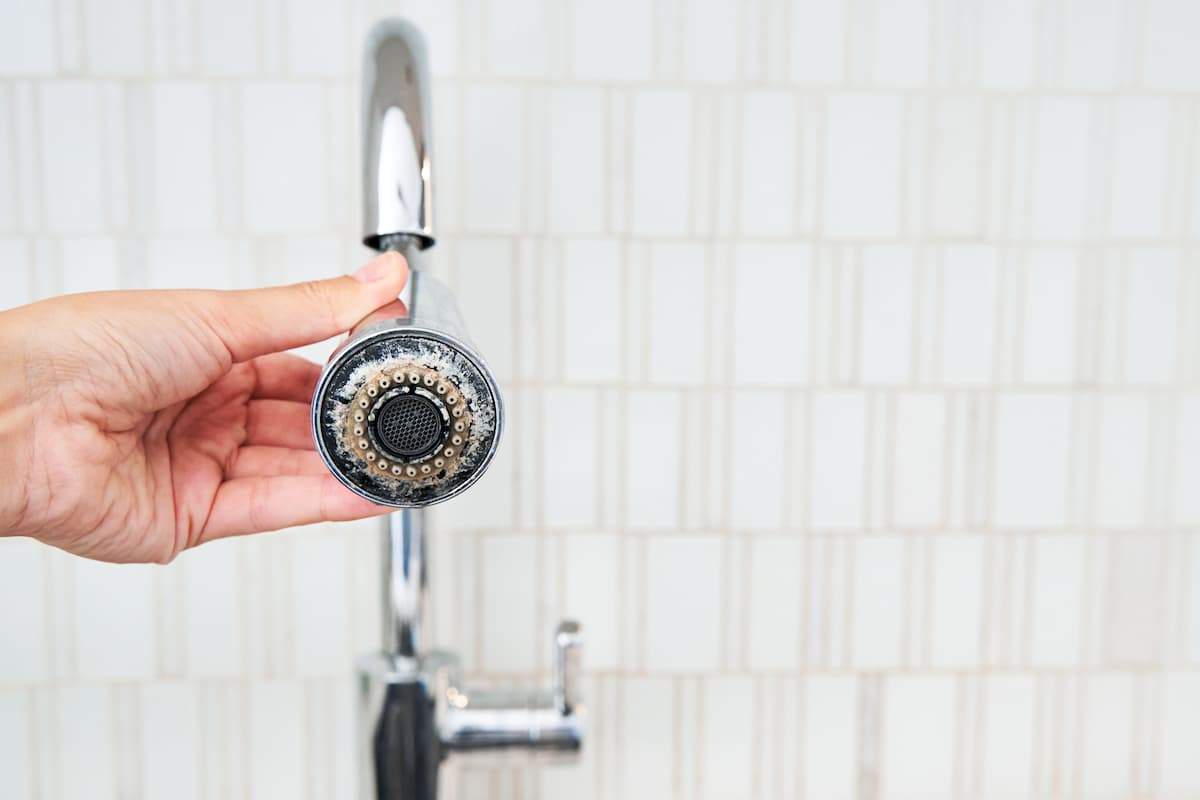
- Hard water contains high levels of dissolved calcium and magnesium, with measurements over 10.5 GPG classified as extremely hard.
- Phoenix area tap water routinely tests between 15 and 25 GPG, causing scale buildup, reduced water pressure, and premature plumbing failures.
- Installing a whole-home water softener or point-of-use reverse osmosis system stops mineral buildup at the source, protecting your pipes and improving water quality.
Dealing with white crust around your fixtures or cloudy residue on your glassware is a daily reality for Arizona homeowners. We at Howard Air & Plumbing see firsthand how high mineral content silently damages residential plumbing systems across the Valley. Understanding water hardness and what 15+ GPG means for your home is the first step toward extending the life of your plumbing and appliances.
What Is Water Hardness? Understanding GPG
Water hardness refers to the concentration of dissolved minerals, primarily calcium and magnesium, present in your water supply. The standard unit of measurement for hard water is grains per gallon (GPG). One GPG equals 17.1 milligrams of dissolved minerals per liter of water.
Water is officially classified as very hard once it crosses 7 GPG, while anything over 10.5 GPG sits at the top of the scale as extremely hard. When water contains elevated mineral levels, those dissolved rocks precipitate out of the liquid and form hard, crusty deposits known as scale on every surface the water touches.
The State of Arizona Water Hardness: Why It’s So High
Arizona water is notoriously hard because of where our water comes from and how it travels. Much of our tap water flows through the Colorado River, the Salt River, and the Verde River, picking up vast amounts of limestone and mineral deposits from surrounding rock formations along the way.
Additionally, groundwater aquifers across the Sonoran Desert sit in mineral-rich soil. As water filters through these underground layers, it collects dense amounts of calcium and magnesium before ever reaching municipal treatment plants.
Arizona Cities’ Average GPG
Municipalities treat water for safety, but they do not remove the minerals that cause hardness. As a result, cities across the Phoenix metro area consistently register exceptionally high mineral concentrations:
- Phoenix: 15 to 25 GPG
- Scottsdale: 15 to 22 GPG
- Mesa: 17 to 25 GPG
- Chandler: 16 to 22 GPG
- Glendale: 14 to 20 GPG
- Tempe: 12 to 20 GPG
Signs Your Home is Battling Phoenix Hard Water
Hard water leaves clear warning signs throughout your living space. You are dealing with high mineral content if you notice:
- Stubborn chalky white or green crust forming around spouts and showerheads.
- Soap scum build-up on glass shower doors and tubs that requires aggressive scrubbing.
- Scratchy laundry, faded clothes, and spots left behind on clean dishes.
- Dry skin and brittle hair after taking a shower.
- A noticeable drop in home water pressure over time.
Calcium Buildup on Faucets and How It Damages Your Plumbing
Calcium buildup on faucets is more than just a cosmetic nuisance; it is a signal that scale is accumulating inside your pipes, water heater, and household appliances. As water flows through metal fixtures, calcium deposits narrow the interior opening of pipes, restricting water flow and forcing your system to work harder.
Inside water heaters, scale settles at the bottom of the tank, creating an insulating barrier that forces the system to burn significantly more energy to heat water. Over time, this mineral buildup leads to pinhole leaks, premature heating element failure, clogged valves, and shortened equipment lifespans.
Can I Drink Tap Water in Phoenix?
Yes, you can safely drink tap water in Phoenix. Local water utility providers treat tap water to meet or exceed all federal safe drinking water standards enforced by the EPA.
However, safe drinking water does not always mean pleasant-tasting water. The heavy mineral blend, combined with chlorine used during municipal disinfection, often gives Phoenix tap water an earthy, metallic taste and distinct odor.
How to Protect Your Home from 15+ GPG Water
Protecting your plumbing requires removing or treating minerals before they coat your pipes. Installing a whole-home water softener exchanges calcium and magnesium ions for sodium ions, eliminating hard water at every tap, protecting your appliances, and leaving your skin feeling softer. To address taste and drinkability, pairing a softener with a reverse osmosis system under your kitchen sink removes unwanted chlorine and dissolved minerals for crystal-clear drinking water.
If you are ready to end calcium scale and extend the life of your plumbing, contact us today to schedule a consultation with our licensed plumbing team.
Image Credit: Try_my_best/Shutterstock
