Category: Thermostat

  • Air Conditioner is Turning On & Off Repeatedly

    Air Conditioner is Turning On & Off Repeatedly

    Updated August 20, 2024

    Why Does My Air Conditioner Keep Switching On & Off?

    If your central air conditioning keeps turning on and off sporadically, this is a problem that shouldn’t be ignored. Although it is a common issue known as short cycling, we are nearing the dreaded high-temperature months in Arizona, so it is critical to prepare. Being comfortable during Phoenix’s summer months can be easily achieved with a proper look at your outdoor and indoor air conditioning units. Below are popular causes of why an HVAC unit will turn on and off repeatedly. However, at the end of the day, you’ll want to have an air conditioning repair specialist take a look at your system as a whole.

    Reasons Your AC Unit Might be Switching On & Off Again:

    Let’s review some of the reasons why your central air conditioner turns on and off repeatedly so you or a trained technician can address the issue successfully.

    1. Location of Your Thermostat

    Your thermostat may be located in an impractical spot. Because your thermostat sends “on” and “off” signals to the unit based on the surrounding temperature, you cannot have it located near a supply air vent or warm sunny window. It will cause the unit to turn on and off more frequently because the thermostat will be confused about the actual temperature in your home.

    2. Refrigerant Problems

    The refrigerant, or Freon, levels in your system may be too low. This coolant is crucial for absorbing heat and cooling air, so when there is not enough of it, the compressor pressure levels become unstable, causing it to turn on and off repeatedly. This can cause severe damage to your unit, so if you notice a refrigerant leak, this should be serviced right away.

    3. Cooling System is Too Big

    The AC system in your home may be larger than needed. It seems odd, but if an AC system is too big for a home, it simply cools down the entire house quickly, therefore shutting off shortly after turning on. This may seem like a good thing, but unfortunately, it can increase your electricity bill and the chances of a breakdown. A simple assessment by a skilled technician can help determine if the size of your AC unit is a problem.

    4. Airflow Restrictions

    You may have a dirty air filter problem. When the air filter restricts airflow, the evaporator coil can become frozen, causing the unit to turn on and off. As a reminder, air filters should be replaced at least once a month. You may do this more often if you are constantly running your air in the summer.

    5. The Thermostat is Malfunctioning

    Your thermostat acts as the central control to your home’s heating and cooling system and can develop problems over time if not properly maintained. Thermostats can provide faulty temperature data or send inconsistent signals, or may be failing to sense proper temperatures. If you’ve been experiencing inconsistencies with your home’s comfort system, you could benefit from a new thermostat to communicate more effectively with your air conditioning system.

    6. Your Condenser Coils Are Dirty

    Since condenser coils are located outside of the home, they’re exposed to the elements more than any other component of your air conditioning system. Here in Arizona, they can get caked with dirt and dust if you don’t get regular maintenance. If a condenser gets a thick enough coat of grime on it, it can struggle to complete heat exchanges. This buildup in heat pulled from inside the home can cause overheating force your AC to shut off, and could lead to a catastrophic breakdown.

    7. Electrical Problems in Air Conditioner

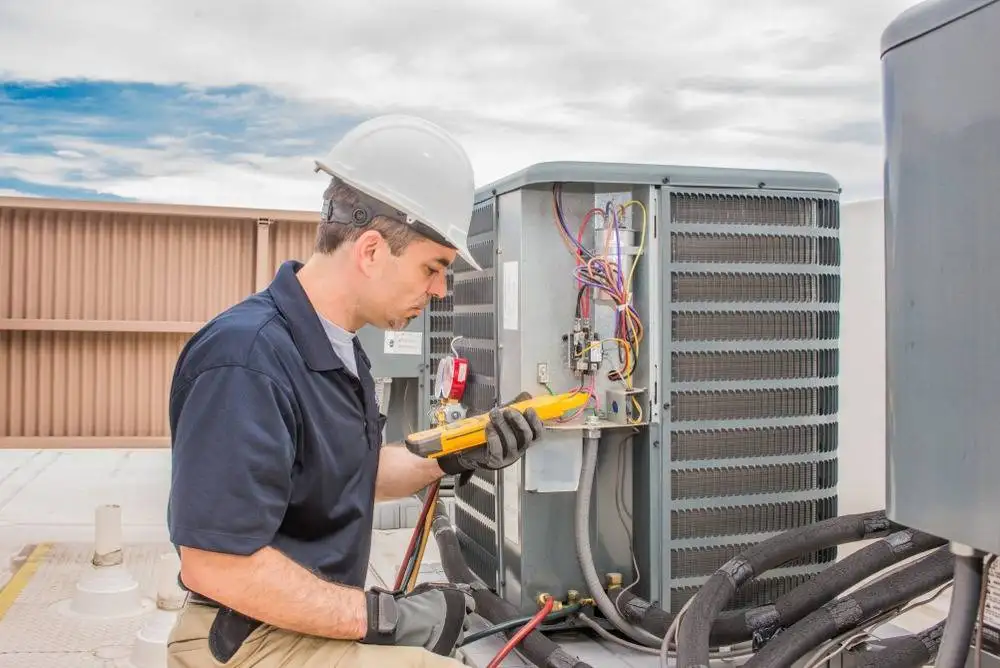
    Unfortunately, there are a number of places where electrical issues can cause your air conditioner to turn off and on repeatedly. Testing the electrical connections can be difficult and extremely dangerous to the commonly untrained individual unless you have the appropriate training and equipment. If you’re unsure about a specific electrical problem with your AC system, trust Howard Air & Plumbing to provide a fair, professional assessment of your home comfort system today!

    8. A/C Run Capacitor Problems

    The run capacitor in your air conditioner provides the initial surge of energy to turn the system on, and continues to provide steady power to keep the system running. If the run capacitor becomes worn out, it can fail to provide power on a continuous basis and cause your A/C to turn off and on repeatedly. To ensure your home comfort system is running at maximum efficiency, trust the AC professionals at Howard Air & Plumbing to provide a level of service unparalleled by others in the valley!

    What to Do if AC Keeps Turning Off and Won’t Stay On

    While some people might be handy and experienced enough to tackle this issue on their own, often times it takes an HVAC professional to stop your AC from repeatedly turning on and off. If fixing air conditioning issues just isn’t your thing, the experienced team at Howard Air & Plumbing are happy to help get your system working in the best condition possible. Avoiding problems until it’s too late can end up costing you way more than the initial maintenance fees. We pride ourselves on top-notch AC repair and HVAC repair services, so we are ready to handle any issue that should arise. Contact our team at Howard Air & Plumbing to schedule an appointment with one of our skilled HVAC contractors.

  • Is it Better to Run My Air Conditioner All Day or Turn it Off When I Leave?

    Is it Better to Run My Air Conditioner All Day or Turn it Off When I Leave?

    As the temperature rises, we’re all inclined to keep things chill at home. But balancing how we use our air conditioners is going to impact how much the electric bill rises with the heat.

    Here at Howard Air & Plumbing, we have some tips to help you decide the best way to use your air conditioner efficiently.

    Let It Run All Day?

    The reality is, running all day is going to cost you more because it’s going to constantly be cooling your home as the outside saps the cold from inside over time. That’s the second law of thermodynamics.

    But some people would say it’s more efficient to run your AC all day because it means your AC will never have to work too hard at any given point to cool your home to the set temperature. While that thinking may sound logical, it’s not the most effective way to run an air conditioner.

    Turn the Thermostat Up While You’re Away

    Your air conditioner is going to run at its highest efficiency when it’s running full blast because that’s how they’re designed. On top of that, by turning your thermostat up a few degrees while you’re at work, you’ll save money on your monthly electric bill.

    That doesn’t mean you need to worry about coming home to a sweltering house after a long day. You can set a temperature for the AC to kick on at to make sure your house never gets too hot while you’re away, or get a programmable thermostat that will allow you to set a timer for when you’re home or away. That way you never need to worry about accidentally leaving the AC running all day and ratcheting up the electric bill.

    Keep Doors and Windows Closed

    You can do other things to help your air conditioner run more efficiently as well. Make sure your doors and windows are closed so that the cold air isn’t constantly escaping and keep your AC unit running. Drawing shades or blinds across windows helps as well.

    Change the Filters Regularly

    Another easy, but often overlooked method of helping your air conditioner is to regularly change the air filters. Not only does it aid in your AC’s efficiency, but it also keeps the air in your home cleaner. Check the filters regularly and change them as needed.

    Maintenance Checks

    Making sure the ductwork is clear and your refrigerant levels are on par might cost a little bit, but will save you money on your electric bill in the long run.

    For more information about keeping your air conditioner running efficiently, contact us at Howard Air & Plumbing.

  • Furnace Thermostat Not Working? Here’s What To Do

    Furnace Thermostat Not Working? Here’s What To Do

    Is Your Furnace Thermostat Not Working?

    You try to set the heat in your home, and the furnace doesn’t kick on. Panic is usually the first emotion. The thought that your furnace may need to be repaired or replaced is a daunting one. HVAC repair does not come inexpensively. If your furnace seems to check out okay, isn’t that old, and has had regular maintenance checks, the problem may be as close as your thermostat.

    Thermostat maintenance is what Howard Air is good at! We have all the expertise to help set up your home for success.

    Your Thermostat

    Your thermostat is the “brain” that tells your furnace what you want it to do. When your furnace thermostat is not working, your furnace does not know if it needs to work to heat up your home or if it can rest. Most common issues with thermostats can easily be fixed if you know what to check for. Here are the things you need to check and what you can do if this is where the problem originates.


    Check the Power to make sure your thermostat is working correctly. Howard Air

    Check the Power

    Thermostats get their power from one or more of three different sources, depending on the type of thermostat you have.

    • Check to see if the battery is old and no longer working. If so, a simple replacement will have you back up and running.
    • Check for a blown fuse that needs replacing. Replacing the fuse is quick and easy.
    • Check your circuit breaker. Many newer thermostats are hooked to the electrical system. If the circuit breaker is tripped, you need to only flip the switch back to the on position.


    Dust can prevent your thermostat from working its best for your home. Howard AirCheck for Dust Bunnies!

    Thermostats are susceptible to dust like any other electronic device. Carefully remove the outer cover of your thermostat and use either a small paintbrush or canned air. If using the air, gently blow off any dust. If using the paintbrush, try to use as light of pressure as you can to still remove the dust.

    In either case, you want to make sure you get all areas inside the thermostat. To do this, turn the thermostat to its lowest position and clean the right side. Then turn it all the way up and clean the left. Now you can put it wherever you feel comfortable. If dust was the problem, the furnace should now be working fine.


    Are There Loose Wires?Loose Wires can cause your thermostat to work incorrectly or not as efficient. Howard Air

    Any time wires are involved there is a chance of one coming free, or completely disconnecting. As you change the setting on your thermostat over time, the wires can become loose or break. This will most likely need to be handled by an HVAC person as wiring that is not handled correctly can cause a fire hazard. If there doesn’t appear to be any broken wires, but moving a wire or two causes your furnace to kick in, set up an appointment to have the thermostat serviced or replaced.


    Is your thermostat in the right location? Where is the best spot for my thermostat? Howard Air has answers.Is It In The Wrong Location?

    This is most likely to happen if you have recently installed a thermostat or done some renovation that changes the structure of things within your home. Make sure the thermostat is not near any natural light source, like a window.

    Warm sunshine can trick the thermostat into thinking it is warmer in the house than it is. A cold breeze from a window or other crack can make the opposite impression. The thermostat should ideally be placed on an interior wall somewhere near the center of your home. In that way, it can get the most accurate gauge of the inside temperature. Moving the thermostat will require an HVAC contractor.


    Age of Thermostat

    Age of thermostat can affect its usefulness. Howard Air is here for you!

    Nothing is made to last forever. Thermostats get old and wear out like any other object. If yours is old, or if you have no idea how old it is, consider having a specialist come to check it out. Replacing an old thermostat with a newer model may not only solve your furnace issues but could help you save both energy and money. More modern thermostats are more energy efficient. They also work with less effort than an older model that is starting to get old. You may even opt for a programmable thermostat that can save you an even more considerable amount of money.


    Contact Us For Thermostat Questions

    Can a bad thermostat cause your furnace not to work? As you can see, the answer is a resounding: Yes, it can. The best way to avoid surprises with both your furnace and your furnace thermostat is to have regular maintenance done on your home’s heating system. At Howard Air & Plumbing in Phoenix, we would rather spend time checking out your system before it needs repair because we know you’ll be much happier than if you need to call us for a heating repair. Contact us today and set up an appointment to have Howard Air & Plumbing check your HVAC system thoroughly and optimized it. We won’t leave you out in the cold!


    Photo Credit: Shutterstock Images

  • Thermostat Not Reaching Set Temperature? Try These Tips!

    Thermostat Not Reaching Set Temperature? Try These Tips!

    Your thermostat serves as the control center of your HVAC system; so, when it malfunctions, keeping your home comfortable can quickly become impossible. And when a problem occurs during the height of an Arizona summer, it’s not just unpleasant; it can be downright dangerous.

    Even though a thermostat is relatively small in size, it plays a big part in keeping you warm during the winter and comfortably cool during summer. But like any piece of equipment, your thermostat can run into unexpected issues. Luckily, there are plenty of tips for troubleshooting thermostat problems that can help you pinpoint what might be going on – and how to know when it’s time to contact an HVAC repair team.

    If you’re having problems with your thermostat not reaching set temperature, there are many different factors that could be at play. Here’s what you need to know to deal with a troublesome thermostat as quickly and effectively as possible.

    Why Isn’t My Thermostat Reaching the Set Temperature?

    First, let’s quickly cover some of the most common reasons why a thermostat isn’t reaching the set temperature.

    Initially, you might not even realize the thermostat problem. In fact, you might just notice that you’re always feeling too hot or too cold in your home. Many of our HVAC customers simply assume that they’re overthinking the issue – that is until they realize that their thermostat is to blame.

    Some of the most common thermostat issues include:

    • The thermostat is broken, not properly level, or dusty
    • The thermostat needs to be recalibrated
    • There is loose wiring causing a thermostat issue
    • The thermostat is not in an ideal location in your home
    • Your HVAC system isn’t large enough to serve your home effectively
    • Your furnace or A/C is having problems
    • There are airflow issues due to dirty vents or ducts

    Let’s take a closer look at each of these potential causes of thermostat problems, and what our team can do to help you tackle them.

    The thermostat is broken, not properly level, or dusty.

    When your AC or furnace won’t reach set temperature selections made on your thermostat, it could be the thermostat itself creating a problem.

    Here’s how:

    • A dusty thermostat is more than just a quick chore to put on your list, it could be why you’re experiencing temperature problems inside your home. Because thermostats are extremely sensitive, and can easily be damaged, it is often best to have a professional manage the task. Our technicians can carefully clean off your thermostat without affecting the overall integrity of the equipment in any way.
    • If your thermostat is not level, it can prevent the device from obtaining a correct temperature reading. This means that even if it’s 80 degrees in your home, your thermostat might be erroneously reading the temperature at 70 degrees – which could be why you have an AC not reaching the set temperature. Correct thermostat installation is essential for the functionality of the pin connection between the backplate and thermostat. We can dismantle your thermostat and reinstall it safely, remedying the issue.
    • You may also have a thermostat with a broken part, in which case, replacement is generally the best bet. Trying to figure out how to repair a broken thermostat isn’t very cost-effective, and depending on the issue, could be pretty complicated. Instead, it’s usually ideal to have our team install a new thermostat. We can help you choose one that suits your budget, preferences, and needs.

    The thermostat needs to be recalibrated.

    Sometimes, your furnace or AC system won’t hit the thermostat temperature because the thermostat isn’t correctly calibrated. This can be a common issue with new thermostats, and also often occurs after a power outage or when the thermostat’s batteries are running low. Also, older thermostats may need to be regularly recalibrated over time.

    We can test the calibration to determine if a correct can be made, or if a full replacement is necessary.

    There is loose wiring causing a thermostat issue.

    Even a single loose wire can wreak havoc on your thermostat, affecting the display and preventing it from accurately showing or reading your set temperature. The good news is that our HVAC technicians can remedy this issue fairly easily. When we open up your thermostat, we’ll be able to identify whether it’s an issue due to corroded wires, dust build-up, or something else entirely.

    The thermostat is not in an ideal location in your home.

    Is your thermostat installed in a spot that tends to be cooler or warmer than the rest of your home? If so, it’s going to be very challenging from the thermostat to get a temperature reading that’s representative of your home’s overall climate. It will seem like you have a faulty thermostat when really you just have one that’s been poorly placed.

    If you have a thermostat located near a window, exterior door, fireplace, kitchen, space heater, or even a room with multiple lights, you may want to consider relocating it. Ideally, your thermostat should be on an interior (not exterior-facing) wall.

    Your HVAC system isn’t large enough to serve your home effectively.

    The fact of the matter is that not all HVAC systems are created equally, and a small system simply can’t do the work needed to cool or heat a large home. Here in Arizona, HVAC systems have to be able to take on the intense demands of our hundred-degree-plus summers. This means that it’s not uncommon for homeowners to realize that the original system installed by the builder isn’t actually adequate for their property.

    Or, you might end up with this issue if you have recently added on to your home, converted a space or enclosed a sunroom, or created any additional workload for your HVAC system in any way. Depending on your specific situation, one of our experienced technicians may suggest either adding a supplemental heat and cooling source or replacing your HVAC unit altogether.

    Your furnace or A/C is having problems.

    Valley residents are often all too familiar with A/C problems, but a malfunctioning furnace can be an equally-pressing issue. Even if it seems like your thermostat is the culprit, it could actually be the system as a whole that’s facing a problem.

    Our Phoenix A/C repair technicians start with a thermostat evaluation, but we’ll also assess your system as a whole. This means that we’ll spot any faulty part, so you don’t end up having to call us back in another week or two. Also, regular maintenance and tune-ups can be a proactive way to prevent issues, so you can avoid the expense and hassle as much as possible.

    How to Fix a Thermostat That’s Not Reaching Set Temperatures: Contact Howard Air & Plumbing

    At Howard Air & Plumbing, our Phoenix HVAC repair team is experienced in thermostat inspections and diagnoses, with the skill to pinpoint the source of the problem and repair it as needed. In many cases, thermostat issues require only a simple, inexpensive fix. Other times, a thermostat not reaching set temperatures is just a sign of a far more serious problem.

    There’s no reason to spend another minute feeling uncomfortable in your home, whether it’s the middle of another scorching summer in AZ or during one of our pleasantly mild (but nevertheless chilly) winters. Howard Air & Plumbing is one of the leading providers of HVAC repairs in Phoenix, serving the needs of Valley home and business owners alike. Let one of our friendly technicians take a look at your thermostat and inspect your system, so we can make sure that any problems are resolved and you save as much time, hassle, and money as possible.

    When you need thermostat repairs in Phoenix or have any kind of problem with your furnace or AC systems, contact Howard Air & Plumbing to partner with a team you can trust.


    Image Source: Monkey Business Images / Shutterstock

  • The Ultimate Guide to Air Conditioning Maintenance

    The Ultimate Guide to Air Conditioning Maintenance

    Air Conditioner Maintenance – The Ultimate Homeowners Guide

    What You’ll Learn

    As you read this complete guide to air conditioner maintenance, you’ll learn:

    • The benefits of regular air conditioning maintenance far outweigh the costs because tune-ups keep your home more comfortable and save you money in the long run.
    • There are a few DIY A/C maintenance things that just about everyone can handle, and it all starts with understanding your HVAC system.
    • More involved air conditioner maintenance will still require an HVAC contractor or your local A/C repair company.

    Why Is Air Conditioning Maintenance Important?

    When you live in Phoenix, we really don’t have to explain to you why your air conditioner is so important. In fact, this city couldn’t possibly be what it is today without air conditioning. Life in the desert can be extremely challenging, and air conditioning makes it much easier to survive and thrive even when the weather outside is oppressively hot.

    Air conditioning units first became widely available in the 1950s thanks to prosperity in the United States after World War II. As the prevalence of air conditioners started to rise, so did the population of Phoenix. It’s no coincidence that Phoenix has gone from being the 99th most populated city in the country to the 5th since air conditioning was invented.

    Because air conditioning makes life a lot more pleasant here in the Valley of the Sun, it’s important to make sure you’re taking care of your system. If you let your system get so out of shape that it fails completely, your home might get miserably hot within a matter of hours. Keeping your home comfortable is one of the top benefits of A/C maintenance, but it’s far from the only one.

    Air conditioner tune-ups, regular DIY maintenance, and other effective services will help produce the following advantages:

    • Make your air conditioner last longer.
    • Save money in the long run by preventing expensive repairs.
    • Make your air conditioner operate more efficiently to reduce the cost of utility bills.
    • Improve the air quality in your home.
    • Achieve a more comfortable home by keeping the temperatures more consistent throughout every room.

    To achieve all of these benefits, it’s important to develop a strategy for air conditioner maintenance.

    Best A/C Maintenance Strategies

    You don’t have to become an HVAC contractor to learn a thing or two about getting the most out of your equipment. In fact, everyone can develop a successful maintenance strategy, largely because it’s so easy to get help from dedicated professionals. When you want to create a plan that will help you keep your air conditioner in great shape, save you some money, and make your system last longer, it generally comes down to three simple steps.

    1. Learn some of the basics about your system. Most importantly, learn about common air conditioner problems and how to solve them.
    2. Next, learn about some simple DIY air conditioner maintenance tips. This will help you know what to check before you call for air A/C repair.
    3. Finally, learn how to recognize when it’s time to call for help. It’s advisable to keep standing appointments for A/C tune-ups, and learning how to diagnose common problems will also help you know when to call for help proactively.

    As you start planning your A/C tune-up and service strategy, you may notice that learning how to diagnose common issues is perhaps the most important part of the equation.

    Common Air Conditioner Problems

    Recognizing that there is a problem is the first step toward solving it. Knowing a thing or two about some of the most common air conditioning issues will also make them less intimidating. Many people put off air conditioning maintenance and repair simply because they don’t know what to expect, which makes the process scary to them. Learn a little bit more about the following problems, and you’ll be prepared for whatever your HVAC system throws your way.

    Poor A/C Airflow

    HVAC airflow problems can be extremely frustrating. The A/C unit is operating, but none of that cold air is actually reaching your rooms, which is the whole point. Understandably, you’ll want to figure out what’s wrong and get it taken care of as soon as possible. We can normally attribute air conditioning airflow problems to one of the following causes:

    Blocked or Damaged Ducts

    The ductwork that runs throughout the building is responsible for delivering treated air to all rooms. If this ductwork becomes damaged and develops a leak, all of your cool air can leak out into the walls. It’s also possible that your ductwork has become stopped up with dirt, dust, or something else that prevents air from coming through as it should.

    Clogged or Dirty Filters

    The filter exists to keep contaminants like dirt and dust from getting into your ductwork. This is an important job, but it also means the filters themselves are catching all of those things. Eventually, they may get so dirty that they can’t let air through anymore. Luckily, changing the filter is one of the easiest things you can do by yourself to restore airflow.

    Covered Vents or Dampers

    If you notice that poor airflow only makes one of your rooms especially uncomfortable, this might be the cause. Sometimes vents or dampers get stuck in the closed position and prevent air from coming out. Additionally, make sure you aren’t blocking any of the vents with things like rugs, furniture, or anything else.

    Wrong Ductwork

    Your ductwork and your HVAC unit itself have to be compatible. If your ductwork is too big and cavernous, your air conditioner will have a hard time pumping out enough air to fill the ductwork in a way that gets cool air to the rooms. On the other hand, if your ductwork is undersized, it can’t accommodate all of the air. Unless you’ve had new ductwork installed recently, compatibility shouldn’t be the problem.

    Obstructed Condenser Coils

    The condenser coil is the component that transfers the heat collected inside your home back to the outside. If it’s too dirty to release temperature the way it should, your system can’t complete the heat transfer effectively, which leads to airflow problems inside. If this is a problem at your home, pay special attention to the section on maintaining the outdoor unit under DIY air conditioning maintenance below.

    Bad Air Conditioner Thermostat

    Thermostat problems are something of good news, bad news situation. The good news is that this may be a simple fix if your thermostat has just landed on the wrong setting (perhaps because someone else in the house has been fiddling with it… again). If the thermostat is set correctly and still isn’t working, the problem is likely more serious. It could be that it’s having a hard time telling what the temperature is in your home, or maybe the thermostat cannot get a signal to the rest of the system anymore.

    Electrical Problems With Air Conditioner

    There’s a lot of great technology in modern HVAC systems. Unfortunately, this means that there are plenty of opportunities for electrical problems. All of the different electrical components are connected with wiring that transfers power and signals throughout the system. If any part of this wiring fails, it can derail the entire system. You might be able to deduce that there’s an electrical problem if you notice your A/C tripping the breaker or simply refusing to turn on.

    Low Refrigerant in Air Conditioner

    Refrigerant is the special chemical that makes your air conditioner work, so there will be problems if the levels get too low. Refrigerant can also be toxic enough to cause problems if too much of it leaks out in too short an amount of time. If your refrigerant gets low, it probably means your system has sprung a leak. You can diagnose this problem by identifying any of the following:

    • Hissing or bubbling noise
    • Frozen A/C or refrigerant lines
    • Air conditioner blowing warm air
    • Rising energy bills

    Air Conditioner Making Banging Noises

    If you hear a loud banging noise coming from the air conditioner, it’s probably a compressor problem. A/C rattling noises or banging happen because a part has come loose. As the air conditioner does its job, the loose part slaps against other parts or the unit’s body and makes these noises. It’s a good idea to turn your system off before the loose part knocks any others loose, then schedule emergency service.

    Air Conditioner Screeching

    If you hear your air conditioning unit shriek while it works, it could point to one of a few different things:

    • Broken compressor motor
    • Broken blower fan motor
    • Failed bearings in the fan motor

    Motor problems are serious, so again, it’s a good idea to turn the system off until you can get it repaired.

    Broken Condensate Airflow Switch

    Also known as the float switch, this is responsible for ensuring the unit turns off when the drain pan gets full of water. There are a few signs you can look for that will tell you if the switch has failed. The first sign is that your air conditioner runs continuously. The next sign is that there is algae, mildew, or a moldy smell in your air conditioner. Finally, any leaking could be a sign of condensate airflow switch problems.

    Air Conditioner Drain Clogged

    This is such a common problem that new units actually include sensors to detect when the drain is clogged. Unfortunately, older units won’t give you any warning until the problem gets severe enough to impact performance. Either way, it’s a good idea to give the drain pan a look every time you replace the filter in your air conditioner. If you see water backing up, you may be able to get the clog out yourself, but don’t try anything you’re not confident about. You don’t want to make the problem worse by damaging the system while trying to fix it.

    Air Conditioner Freezing

    Your air conditioner should be able to get nice and cold to keep your home comfortable on those scorching days here in Maricopa County, but it shouldn’t be freezing. Take a look at your unit to see if the refrigerant lines or any other part of your system has frozen. The first step, in this case, is always to turn the system off until it can thaw out.

    Many of the problems that lead to air conditioner freezing require professional service, but the good news is that you may be able to fix it just by replacing the dirty filter. The first step here is to learn about common DIY maintenance, so you know what the options are.

    DIY Air Conditioning Maintenance

    Unless you’re an electrician or an HVAC contractor, there will always be times you need to call a professional for A/C maintenance. The good news, though, is that there are things you can do by yourself. You’ll save a little bit of money by performing some of the maintenance, and the professional service you do receive will be less of a mystery to you. The first step is to understand how your air conditioner works.

    Know Your Unit

    Gauge the complexity of your specific unit. Older units are more straightforward, which makes them simpler to understand and maintain. Of course, older units have also been subjected to more wear and tear, so they’re likely to have more serious problems. New units can be complicated because they include so much more modern technology.

    Ignoring some of the more complicated sensors and technology for now, here’s a general look at how your air conditioner works:

    • Inside your home, the evaporator exposes the refrigerant to the warm air in your home, which causes the refrigerant to build energy and collect a lot of temperature. At this stage, the refrigerant is sucking up heat from your home.
    • The hot, compressed refrigerant gas is moved by the compressor from the inside of your home to the condenser outside. With the help of metal fins, the condenser releases all of the heat from the refrigerant into the air outside your home.
    • As the refrigerant releases heat, it transitions back from a pressurized gas to a fluid. It also becomes cool once again.
    • The cool refrigerant travels back into your home, and the fan inside of your indoor A/C unit blows over it to push cool air throughout the home.
    • At this point, the process begins again.

    This is a very simplified version of the process. Still, it should give you some basic understanding of how your air conditioner works. Understanding these basics is a great first step that will help you diagnose and maintain your air conditioner.

    Maintain the Outdoor A/C Unit

    Recall from your reading on the common air conditioning problems that many of them originate in the outdoor unit. Problems in the portion of your air conditioning system outside the home could be why you have poor airflow or an air conditioner blowing warm air. Luckily, there are multiple DIY steps you can follow to help keep your outdoor A/C unit in good shape:

    • Before you do anything to the outdoor unit, turn your air conditioning system off. You can do this by turning the A/C off through the thermostat or by using the switch on the unit itself.
    • Remove any plants or debris that has gotten onto or into the unit. Avoid storing things too close to the unit, and it’s generally best to leave at least two feet of space around the unit on all sides.
    • Check the fins inside of the outdoor unit. If they’re dirty, you can clean them by hosing them off gently. Just make sure you don’t spray them hard enough that you bend them. If your fins are already bent, they will have to be straightened.
    • While you’re cleaning the outside component of the air conditioner, especially when you’re using the hose, make sure you don’t get moisture down into the motor. The system is designed to be outside so that it can stand up to some water, but it’s still a good idea to make sure you don’t spray any in at an angle where it can reach the motor.
    • Clean the condenser fan. Remember that dirty condensers can cause a lot of problems, and it needs to be clean to do its job. You can remove leaves, dust, and other debris before gently wiping it with a damp cloth.

    Once you’ve completed everything you had to do to your outdoor unit and put it back how it was (if you took the sides off for cleaning), you can turn it back on.

    Mind the Airflow

    There are two DIY things you can do all by yourself to make sure the airflow of your HVAC system stays good. First, take good care of the vents. Maintaining the ductwork itself is a bit more complicated, especially if you don’t have the right tools and equipment, but at least you can access the areas where the ductwork comes into your rooms. Keep the vents clear from furniture, and periodically check them to ensure they’re open and free from dust. If your vents are always getting dusty, you may have dirty ducts that need professional cleaning.

    Next, take good care of the air filters. Changing the filter is one of the easiest things you can do by yourself for your home, but many people still forget to keep up with this critical piece of maintenance. If your air filter gets too dirty, it will eventually restrict airflow and cause other problems like A/C freezing. Generally, it’s a good idea to change this filter every 90 days, and certainly every six months at the very minimum. If you have many people or pets living in your home, or if you have allergies, plan on changing the filter as often as every month.

    Take Care of the Indoor A/C Unit

    Beyond changing the air filter, you can do a few other things to take care of the indoor portion of your air conditioner. This unit houses the evaporator, which provides cool refrigerant, and it also holds the blower, which pushes the cool air throughout the ductwork and into your home. If either the evaporator or the blower is struggling, you’ll notice immediate problems throughout the home.

    Unfortunately, caring for these particular components isn’t nearly as easy as changing the air filter. Still, it’s important that you either learn how to do it yourself or have a professional perform an A/C tune-up regularly. If you’re comfortable with it, you might try cleaning the dust and dirt off of your evaporator coil using a no-rinse coil cleaner. It’s also fairly easy to check the evaporator drain for clogs, debris, and backups. As always, turn your system off completely before you start removing any parts or sticking your hands inside of it.

    Give Your Air Conditioner a Break

    This is the single easiest thing you can do for your air conditioner to help it stay in good health (even easier than changing the filter)! The weather in Phoenix puts a lot of strain on your system, and just like with humans, too much stress can shorten the life of your air conditioner. Take some of the burden off by getting in the habit of showing your A/C some love from time to time.

    There are multiple easy ways to reduce the stress on your air conditioner:

    • Raise the temperature by a few degrees on hot days, so your unit doesn’t have to work as hard.
    • Keep the blinds and curtains closed to block sunlight and reduce the heat in your home.
    • Turn the fan on when you enter a room, so you don’t need the A/C as much.
    • Turn the thermostat up when you leave the house for long periods of time.

    These practices make your A/C last longer. As an added bonus, they also decrease your carbon footprint and lower your utility bills. Keep in mind that great air conditioning habits can supplement the work professionals do in your home but not eliminate the need for professional HVAC service.

    Professional A/C Maintenance

    All of the above steps will help your air conditioner last longer and function better. There will still be some things you just can’t address by yourself, though. That’s completely ok, and it doesn’t mean you aren’t a good homeowner!

    All it means is that the professionals have specialized equipment and years of training that you don’t. Modern air conditioners are complex pieces of equipment. It takes a professional to keep everything running smoothly, and sticking with a good maintenance plan will work wonders for your HVAC system.

    Preventative Air Conditioning Maintenance

    The single best thing you can do for your air conditioner is connect with a trustworthy HVAC company in Phoenix and sign up for a regular maintenance schedule. They’ll come out at regular intervals, carefully check everything, then calibrate your equipment to ensure optimal health and performance. They’ll confirm that your equipment is ready for the coming seasons, and this is also an opportunity to fix small problems before they grow into big problems.

    Air Conditioner Repair

    When you get an A/C tune-up, it might expose a need for repairs. This is a good thing, though, because if you wait too long or don’t get inspections, you’ll end up needing much more significant, expensive repairs. Every air conditioner will need at least some minor repairs during the course of its life. This is just a normal part of having a complicated piece of machinery and using it heavily for many years.

    Some of the most common types of air conditioning repairs you may need to maintain the health of your system include the following:

    • Electrical Problems – If you don’t have specialized training and the proper equipment, you’ll have to have a professional handle these types of complications.
    • Short Cycling – Almost any time your air conditioner starts turning off a lot in a short amount of time, you have problems that require professional attention. You can try checking the filter to see if it’s dirty or clogged first. If the filter looks good, it’s time to call for backup to inspect the other potential issues.
    • Ductwork – Beyond peering into the ductwork just inside of your vents, you’ll need a professional to address damaged or blocked ducts.
    • Low Refrigerant – It takes a professional to fix leaks then replenish the refrigerant.
    • Failed Components – When it comes to repairing or replacing any component of your air conditioner more involved than the filter, from the blower motor to the compressor or anything in between, you’ll need a professional to find the right parts and do the job correctly.

    Repair or Replace Air Conditioner?

    The whole point of keeping up with regular A/C maintenance is that you can avoid this dilemma for as long as possible. At some point, though, you’ll eventually have to decide if it’s worth keeping up with the maintenance of your system or if you’re better off getting a new one. A professional can help you here, too. Call a trusted HVAC company in the Phoenix area, and have them give you an honest, professional opinion about all of your options.

    Air Conditioner Maintenance in Maricopa County

    If you made it all the way through the guide, congratulations, you’ve just learned a lot about the basics of A/C maintenance.

    Now you’re ready to keep an eye out for problems and even perform some light DIY air conditioning maintenance by yourself. For everything else, you can count on Howard Air & Plumbing. We’ve been serving the Phoenix area since 1977, and we know what it takes to keep your air conditioner in great shape!

    Call us anytime at 480-508-9866 or schedule an appointment online for maximum convenience.

    Image Source: David Spates / Shutterstock